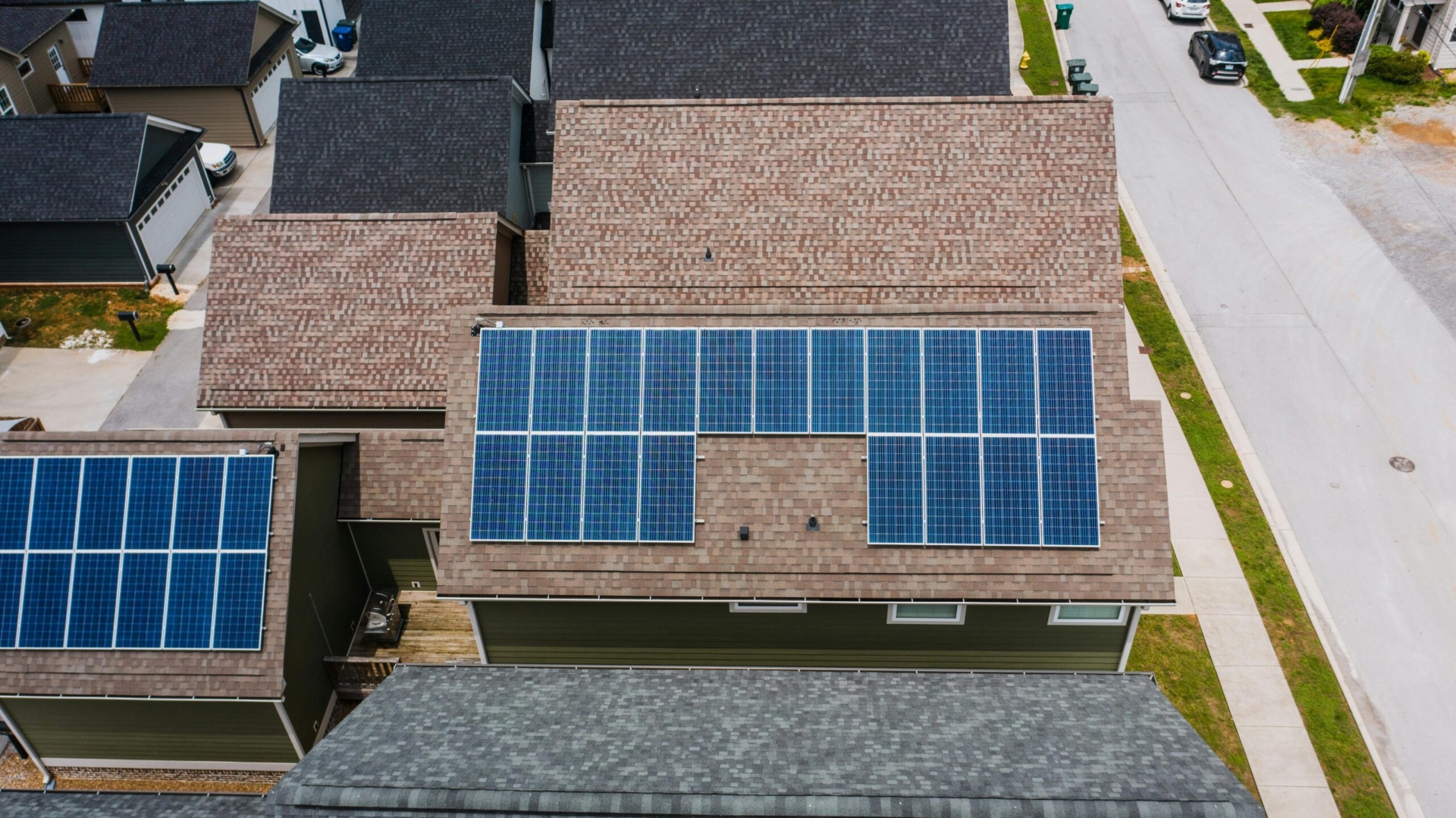
In a revealing examination of the real estate sector’s sustainability efforts, a recent Deloitte report sheds light on the pressing challenges and strategic pathways for achieving environmental compliance. The report, titled “Building an Integrated Approach to Real Estate Sustainability,” highlights that nearly 60% of global real estate CFOs lack the necessary data, processes, or internal controls to comply with current environmental regulations.

Sustainability in real estate

To bridge this gap, Deloitte suggests that real estate firms must foster cross-departmental collaboration. Key stakeholders, including finance leaders, sustainability officers, engineers, and tax experts, should work in unison to align their strategies with both financial and sustainability goals. This integrated approach is vital for navigating the complex landscape of tax incentives and regulatory challenges, which are critical for achieving sustainability objectives.

Key Areas for Integration

  • Tax and Regulatory Opportunities: The report emphasizes the importance of identifying incentives and addressing challenges. However, only 32% of firms plan to leverage tax-saving opportunities, indicating a significant area for growth.
  • Risk and Financial Modeling: Prioritizing physical and transition risks is crucial for compliance and investment security. Conducting risk assessments can enhance understanding and strategy integration.
  • Accounting and Reporting: With new regulations like the SEC climate rule, aligning sustainability with financial reporting is becoming increasingly essential.
  • Strategy and Energy Sourcing: A focus on renewable energy sources is paramount, with companies like Slate Asset Management making substantial investments.
  • Technology Integration: The adoption of smart technologies, such as IoT devices, is critical for monitoring consumption. Digital twins can optimize operations and streamline reporting.

The Deloitte report also underscores the need for real estate firms to align their energy sourcing strategies with tax incentives to enhance ROI while meeting sustainability targets. This alignment requires collaboration across various stakeholders, from IT and finance to developers and engineers, to build a robust infrastructure capable of supporting sustainability goals.

Looking Ahead

As environmental standards continue to evolve, the future of real estate sustainability will likely be shaped by regulatory changes, market expectations, and technological advancements. Real estate companies are urged to integrate sustainability into their core operations, leveraging industry-specific solutions to navigate complexities and maintain a competitive edge.


More Articles

Getting licensed or staying ahead in your career can be a journey—but it doesn’t have to be overwhelming. Grab your favorite coffee or tea, take a moment to relax, and browse through our articles. Whether you’re just starting out or renewing your expertise, we’ve got tips, insights, and advice to keep you moving forward. Here’s to your success—one sip and one step at a time!

Exploring Innovative Strategies for Managing Student Loan Payments

In a landscape where student loan debt is a growing concern, borrowers are exploring creative methods to manage their financial obligations. According to EducationData.org's 2023 report, the average federal student loan borrower owes $37,574, while private borrowers face an even steeper average of $54,921. With these daunting figures, many are considering unconventional methods to ease their financial burden.

By |October 13, 2024|Categories: Article, Education, Personal Finance|Tags: , |0 Comments

Rising Material Costs Challenge Home Builders Amid Inflation Slowdown

As inflation trends downward, the construction industry faces a paradox: the relentless rise in residential construction material costs since early 2024. This surge, marking its peak in June 2024, presents a formidable challenge for home builders already navigating inflated expenses.

The Impact of FinTech on Sub-Saharan Africa’s Financial Landscape

Sub-Saharan Africa, with its youthful demographic—approximately 40% of its population is under 15—presents a ripe opportunity for FinTech adoption.

By |October 13, 2024|Categories: Article, Finance, Technology|Tags: , |0 Comments

Top Cities for Affordable Homes in 2024

Pittsburgh, Pennsylvania, emerges as the front-runner, showcasing a harmonious blend of low median home prices and affordable homeowner costs. With a median home price of $236,067, Pittsburgh homeowners spend just 14.8% of their median household income on housing costs, making it an attractive destination for budget-conscious buyers.

By |October 13, 2024|Categories: Article, Personal Finance, Real Estate|Tags: , |0 Comments

Eco-Friendly Construction: Innovations and Trends

Traditional construction methods have posed significant environmental challenges. Increasingly, technology plays a crucial role in transforming the industry, fostering eco-friendly construction methods.

Exploring the Sacramento Housing Market: A Wise Investment?

Sacramento, the capital of California, has seen notable shifts in its real estate market over the years. The city's significant population growth has led to increased housing demand. As job opportunities expand, particularly in the tech and healthcare sectors, the potential for property value appreciation becomes enticing for investors.