C-PACE Financing Surges to Record Levels: Why This Niche CRE Tool Is Suddenly Reshaping the Market
In an environment where traditional lending has slowed dramatically, one niche financing tool is unexpectedly soaring — and reshaping how modern commercial real estate projects get funded. It’s called C‑PACE (commercial property assessed clean energy), and its rise has been nothing short of explosive.
As reported by CNBC, the industry is seeing more C‑PACE originations than ever, including a record-breaking $465 million loan for The Geneva — a high-profile office-to-residential conversion in Washington, D.C.
What Makes C‑PACE So Different?
C‑PACE is repaid through a property tax assessment over 20–30 years — offering fixed payments, predictable timelines, and the ability to fund major improvements that lower long-term operating costs. These features make it immensely appealing to both developers and institutional lenders.
Quick Breakdown: Why Developers Love C‑PACE
• Ultra‑long repayment terms
• Fixed interest rates
• Funds energy, water, and resiliency upgrades
• May increase property value while reducing operating expenses
• Can be used retroactively to refinance or recapitalize projects
C‑PACE adoption has skyrocketed to nearly $10 billion in cumulative investment. Forty states have now authorized the program, with 32 running active initiatives — a stunning increase from just six active programs in 2015.
Major Players Are Fueling the Momentum
Nuveen Green Capital closed an incredible $2.1 billion in C‑PACE loans across 53 deals in 2025 alone. Their landmark projects include the $290 million Pendry Hotel & Residences in Tampa — the city’s first-ever C‑PACE financing.
Meanwhile, Peachtree Group completed a $176.5 million deal for the Rio Hotel & Casino in Las Vegas, showing that C‑PACE goes far beyond green upgrades — it can be a powerful restructuring and recapitalization tool for major hospitality and entertainment assets.
A Financing Tool Built for Today’s Economy
With higher-for-longer interest rates and shrinking traditional CRE lending, C‑PACE offers a uniquely resilient structure. Because it’s tied to a senior tax assessment, lenders view it as more secure — a major draw for insurance companies and institutional buyers seeking reliable, long‑duration assets.
As Alexandra Cooley, CEO of Nuveen Green Capital, puts it: “Our borrower is really the property itself… it’s safer, and it enables our investors to have that duration.”
Beyond Sustainability — A Tool for Resilience
Despite the “clean energy” label, most C‑PACE deals actually fund resiliency improvements — upgrades that protect buildings from wildfires, hurricanes, flooding, and seismic events. In a world of intensified climate risk, resilience isn’t optional; it’s essential.
Why This Matters for Real Estate Professionals
Developers, investors, brokers, lenders — anyone connected to CRE should understand the rising role of C‑PACE. Its rapid growth indicates a profound shift in how the next decade of redevelopment and adaptive reuse will be financed.
If you’re building your CRE expertise — especially in active markets like Florida — understanding evolving financing tools like C‑PACE can give you a strategic edge.
Learn More, Grow Faster with Cameron Academy
As alternative financing methods like C‑PACE reshape commercial real estate, Cameron Academy helps professionals stay ahead. We offer online real estate, mortgage, and financial licensing courses across all 50 states — including Florida, where C‑PACE adoption is accelerating.
Advance your career with flexible, accredited training designed for modern professionals who want to stay competitive.
For a deeper dive into this industry-shifting trend, explore CNBC’s full coverage.
More Articles
Getting licensed or staying ahead in your career can be a journey—but it doesn’t have to be overwhelming. Grab your favorite coffee or tea, take a moment to relax, and browse through our articles. Whether you’re just starting out or renewing your expertise, we’ve got tips, insights, and advice to keep you moving forward. Here’s to your success—one sip and one step at a time!
The real estate industry is on the brink of a transformation, driven by the integration of the Internet of Things (IoT). This technological advancement is reshaping how buildings operate and enhancing tenant experiences across the globe.
"This framework postulates New Orleans as already living in the future," said Patterson during the exhibition's opening. Lash added, "We want to show New Orleans as a gift and as a scout." The exhibition, featuring 51 artists across 21 venues, highlights how contemporary art can serve as an engine of coping, rather than mere recovery.
As the dust settles on the recent Republican victory in the U.S. presidential election, the tax landscape is poised for significant changes with President-elect Donald Trump set to return to the White House.
As we step into 2025, the multifamily housing sector is projected to experience modest growth. Yardi Matrix anticipates a 1.5% increase in rents, driven by positive economic conditions and stable industry fundamentals, particularly in the Northeast and Midwest regions. However, the rent growth forecasts vary across different markets.
Recent surveys have shed light on the preferences and priorities of renters in 2024, emphasizing the dominance of digital marketing and the importance of community inclusiveness.
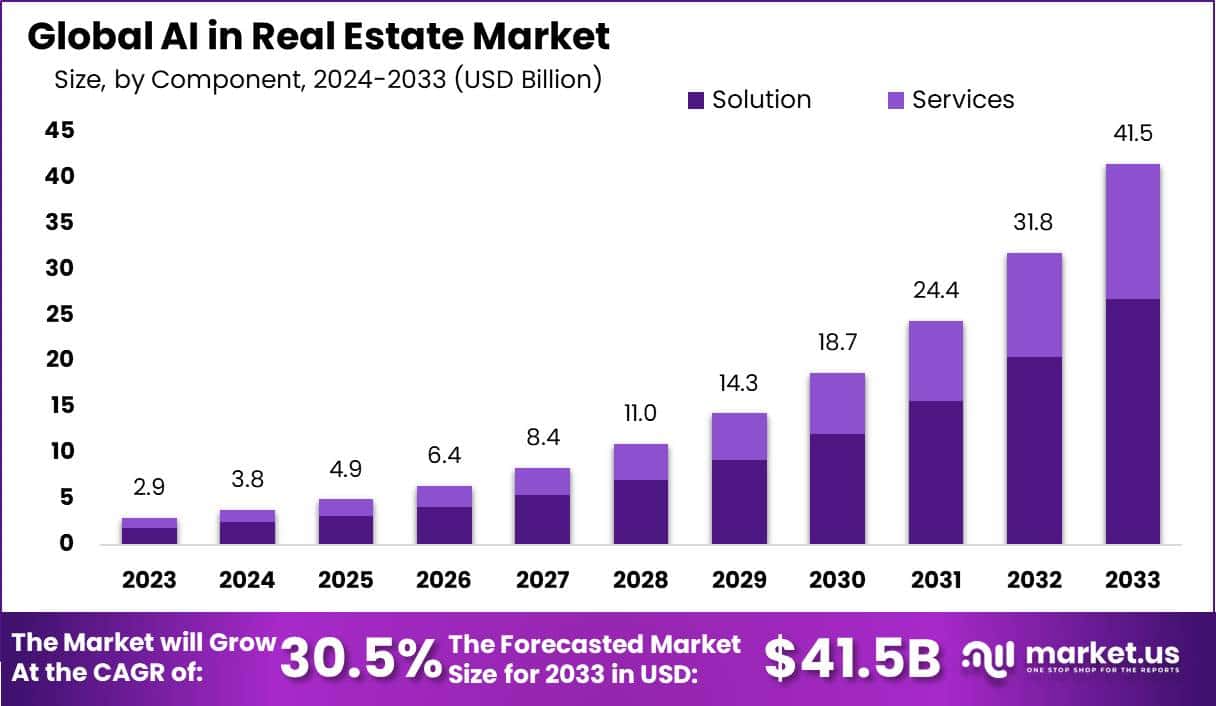
The real estate industry is on the brink of a technological transformation, with Artificial Intelligence (AI) playing a pivotal role. According to a recent report by Market.us, the AI in real estate market is projected to surge from USD 2.9 Billion in 2023 to a staggering USD 41.5 Billion by 2033, growing at an impressive CAGR of 30.5%.