C-PACE Financing Surges to Record Levels: Why This Niche CRE Tool Is Suddenly Reshaping the Market
In an environment where traditional lending has slowed dramatically, one niche financing tool is unexpectedly soaring — and reshaping how modern commercial real estate projects get funded. It’s called C‑PACE (commercial property assessed clean energy), and its rise has been nothing short of explosive.
As reported by CNBC, the industry is seeing more C‑PACE originations than ever, including a record-breaking $465 million loan for The Geneva — a high-profile office-to-residential conversion in Washington, D.C.
What Makes C‑PACE So Different?
C‑PACE is repaid through a property tax assessment over 20–30 years — offering fixed payments, predictable timelines, and the ability to fund major improvements that lower long-term operating costs. These features make it immensely appealing to both developers and institutional lenders.
Quick Breakdown: Why Developers Love C‑PACE
• Ultra‑long repayment terms
• Fixed interest rates
• Funds energy, water, and resiliency upgrades
• May increase property value while reducing operating expenses
• Can be used retroactively to refinance or recapitalize projects
C‑PACE adoption has skyrocketed to nearly $10 billion in cumulative investment. Forty states have now authorized the program, with 32 running active initiatives — a stunning increase from just six active programs in 2015.
Major Players Are Fueling the Momentum
Nuveen Green Capital closed an incredible $2.1 billion in C‑PACE loans across 53 deals in 2025 alone. Their landmark projects include the $290 million Pendry Hotel & Residences in Tampa — the city’s first-ever C‑PACE financing.
Meanwhile, Peachtree Group completed a $176.5 million deal for the Rio Hotel & Casino in Las Vegas, showing that C‑PACE goes far beyond green upgrades — it can be a powerful restructuring and recapitalization tool for major hospitality and entertainment assets.
A Financing Tool Built for Today’s Economy
With higher-for-longer interest rates and shrinking traditional CRE lending, C‑PACE offers a uniquely resilient structure. Because it’s tied to a senior tax assessment, lenders view it as more secure — a major draw for insurance companies and institutional buyers seeking reliable, long‑duration assets.
As Alexandra Cooley, CEO of Nuveen Green Capital, puts it: “Our borrower is really the property itself… it’s safer, and it enables our investors to have that duration.”
Beyond Sustainability — A Tool for Resilience
Despite the “clean energy” label, most C‑PACE deals actually fund resiliency improvements — upgrades that protect buildings from wildfires, hurricanes, flooding, and seismic events. In a world of intensified climate risk, resilience isn’t optional; it’s essential.
Why This Matters for Real Estate Professionals
Developers, investors, brokers, lenders — anyone connected to CRE should understand the rising role of C‑PACE. Its rapid growth indicates a profound shift in how the next decade of redevelopment and adaptive reuse will be financed.
If you’re building your CRE expertise — especially in active markets like Florida — understanding evolving financing tools like C‑PACE can give you a strategic edge.
Learn More, Grow Faster with Cameron Academy
As alternative financing methods like C‑PACE reshape commercial real estate, Cameron Academy helps professionals stay ahead. We offer online real estate, mortgage, and financial licensing courses across all 50 states — including Florida, where C‑PACE adoption is accelerating.
Advance your career with flexible, accredited training designed for modern professionals who want to stay competitive.
For a deeper dive into this industry-shifting trend, explore CNBC’s full coverage.
More Articles
Getting licensed or staying ahead in your career can be a journey—but it doesn’t have to be overwhelming. Grab your favorite coffee or tea, take a moment to relax, and browse through our articles. Whether you’re just starting out or renewing your expertise, we’ve got tips, insights, and advice to keep you moving forward. Here’s to your success—one sip and one step at a time!
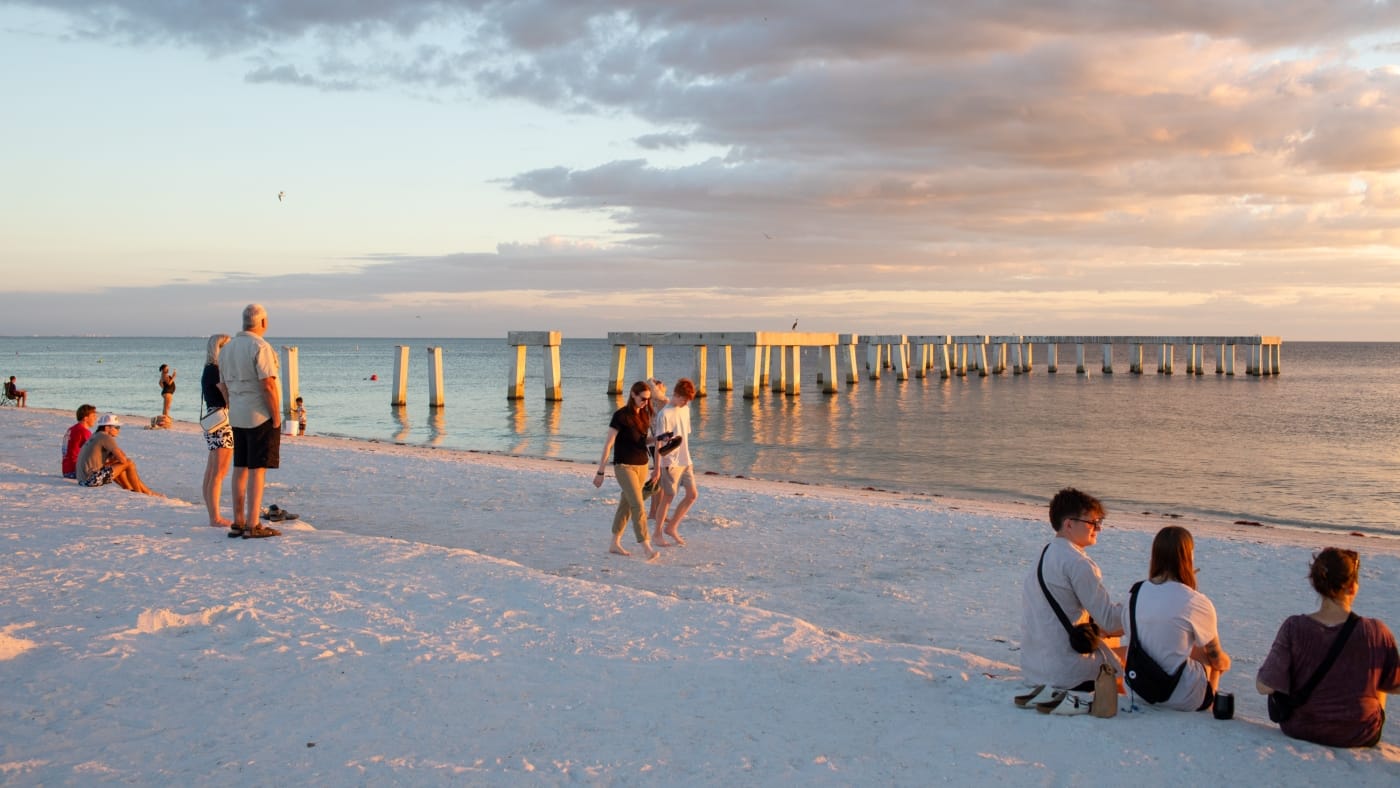
Fort Myers Beach is becoming the front line of a new Florida—one shaped by hurricane devastation, soaring insurance premiums, and rapid gentrification. Three years after Hurricane Ian, residents are still battling massive rebuilding costs and insurance bills that now exceed $5,700 a year on average, with flood insurance reaching $10,000 for some families. Long-time locals, small businesses, and service workers are being priced out as wealthy investors move in, transforming once-affordable coastal communities. Real estate professionals warn that foreclosures may rise if economic pressures continue, signaling a pivotal moment for Florida’s housing market and the professionals who serve it.
Economic uncertainty, AI disruption, slowing population growth, and rising portfolio risk are reshaping commercial real estate heading into 2026. A new report unveiled at NAR NXT highlights the forces that will reward informed professionals — and challenge those who aren’t prepared. From fiscal policy and shifting capital flows to tech transformation and housing shortages, the landscape is evolving fast. Cameron Academy breaks down the key issues so real estate, mortgage, finance, and insurance professionals can stay ahead of the curve.
A sudden federal shutdown of FEMA’s BRIC resiliency program has left cities and commercial property owners scrambling, exposing billions in real estate to rising climate threats. With nearly a billion dollars in mitigation funding clawed back and extreme weather intensifying, insurance premiums are expected to surge and coverage may shrink — placing new pressure on markets like Florida and New York.
A new Florida Senate bill aims to stop cities and counties from blocking residential developments over vague “compatibility” concerns. Supporters say the measure would speed up homebuilding and ease housing shortages, while opponents argue it strips communities of essential oversight and could accelerate growth without proper planning. The proposal could reshape development timelines and land-use decisions statewide, making it a major issue for real estate professionals to watch.
Cape Coral–Fort Myers has officially moved into buyer-friendly territory, with homes now sitting a median 119 days on the market—far longer than both the Florida and U.S. averages. Rising inventory, a 36.9 percent price‑reduction rate, and slower absorption compared to accumulated supply are giving buyers more leverage and time to negotiate, signaling a meaningful reset in this once‑fast‑moving Florida market.
Kansas City’s commercial real estate sector is finally turning a corner after several years of sluggish activity. Retail is leading the rebound, while multifamily and industrial properties are gaining traction as pricing stabilizes and buyer confidence returns. A standout 2025 transaction—the sale of the 380‑unit Cyan Southcreek community—signals that capital is flowing back into the market. With bid‑ask spreads tightening and investor optimism rising, Kansas City is entering a period of renewed opportunity for real estate professionals and investors alike.


 Florida’s Middle Class Is Being Squeezed Out: Insurance Costs, Rebuilding Struggles, and a Changing Coastline Gallery