The State Bar of California has recently come under fire after disclosing that artificial intelligence was used to develop some of the multiple-choice questions in their February bar exam. The revelation has stirred up a storm of controversy, particularly because this exam session was already marred by technological failures.
According to a report by MyMotherLode.com, the California bar exam, held in February 2025, faced significant issues. Many test-takers experienced severe disruptions, including platform crashes and error messages. These issues prevented some candidates from completing their exams, while others struggled to save their work or even start the test.
In a statement, Mary Basick, assistant dean of academic skills at the University of California, Irvine, Law School, expressed her disbelief, saying, “The debacle that was the February 2025 bar exam is worse than we imagined.” She added, “I’m almost speechless. Having the questions drafted by non-lawyers using artificial intelligence is just unbelievable.”
The State Bar of California has acknowledged that out of the 171 scored multiple-choice questions, 23 were developed using AI by ACS Ventures, their psychometrician. Despite the backlash, Leah Wilson, the executive director of the State Bar, defended the use of AI, stating, “We have confidence in the validity of the questions to accurately and fairly assess the legal competence of test-takers.”
However, not everyone is convinced. Katie Moran, an associate professor at the University of San Francisco School of Law, called the admission “a staggering revelation.” She criticized the State Bar for employing a company to have a non-lawyer use AI to draft questions and then assess them.
Andrew Perlman, dean of Suffolk University Law School, and a member of the American Bar Association Task Force on the Law and Artificial Intelligence, remarked that while the use of AI in developing exam questions isn’t surprising, it is crucial that any AI-generated content is thoroughly vetted by experts.
As AI technology continues to advance, Perlman predicts its increased use in various fields, including legal assessments. He foresees a future where the competence of lawyers who don’t use these tools might be questioned.
This incident highlights the growing intersection of technology and professional exams, raising important questions about the role of AI in high-stakes testing environments.
More Articles
Getting licensed or staying ahead in your career can be a journey—but it doesn’t have to be overwhelming. Grab your favorite coffee or tea, take a moment to relax, and browse through our articles. Whether you’re just starting out or renewing your expertise, we’ve got tips, insights, and advice to keep you moving forward. Here’s to your success—one sip and one step at a time!
Lower interest rates, improving buyer confidence, and a resilient job market are setting the stage for a stronger South Florida real estate landscape in 2026. After a steadier‑than‑expected 2025, single‑family homes remain competitive, condos are stabilizing despite regulatory pressures, and commercial real estate continues to outperform national trends — giving industry professionals plenty to watch in the year ahead.
Economists across the housing industry are signaling that 2026 may finally bring a true market rebalance. With mortgage rates expected to ease, inventory slowly expanding and affordability showing its first real improvement in years, home sales could climb by 14% nationwide. Prices are projected to rise only modestly, builders are ramping up cautiously and shifting demographics are reshaping who’s buying—and what they’re looking for. For real estate and finance professionals, this more active and balanced landscape sets the stage for a strong year of opportunity.
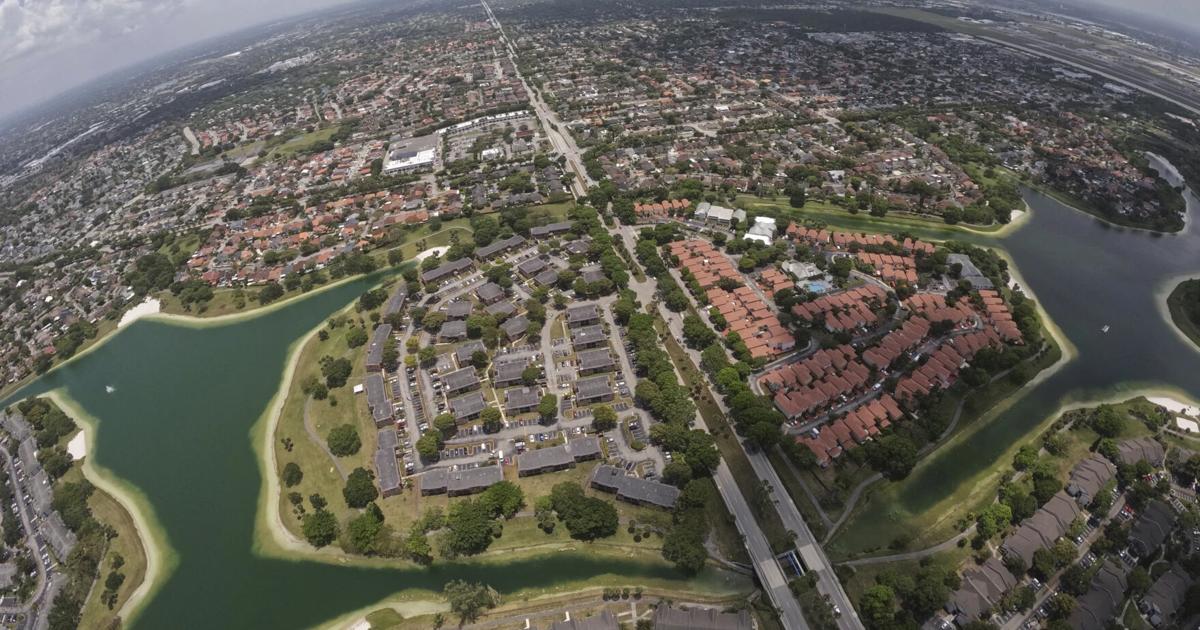
South Florida enters 2026 with renewed confidence as easing mortgage rates, a solid job market, and stabilizing housing trends breathe life back into both single‑family and condo sectors. After an uneven 2025 marked by high costs and condo‑related challenges, lower borrowing rates are drawing buyers back, encouraging more homeowners to list, and positioning the region for a more balanced — though still competitive — year ahead.
The U.S. real estate landscape is entering a defining year, driven by AI innovation, reimagined office spaces, immersive retail, and resilient industrial growth. Investors are becoming more selective, while ESG expectations are solidifying into essential standards for value and tenant demand. For professionals looking to stay competitive in 2026, understanding these shifts—and upskilling accordingly—will be key to navigating an industry rapidly transforming in real time.
Conforming mortgage credit has dropped to its lowest level since the MBA began tracking it in 2011, signaling a major tightening in loan options as 2026 begins. December’s Mortgage Credit Availability Index fell 2.6%, driven by shrinking ARM offerings, fewer cash‑out refi programs, and stricter documentation requirements. With conforming loans seeing the sharpest decline—down 3.8%—both buyers and mortgage professionals face a more challenging lending landscape that demands stronger financial profiles and up‑to‑date industry knowledge.
A new NAR outlook shows that first-time buyers may finally be gaining traction in 2026 as rising inventory, easing rates, and creative financing strategies open long-awaited pathways into homeownership. From ARMs and government-backed loans to family support, grants, and co-buying, younger buyers are finding new ways to “make the math work.” Builders are also stepping in with incentives and expanded townhome construction, signaling a slow but meaningful shift toward improved affordability.