The California City Betting Big on a Single Staircase to Fix Housing

Modern staircase

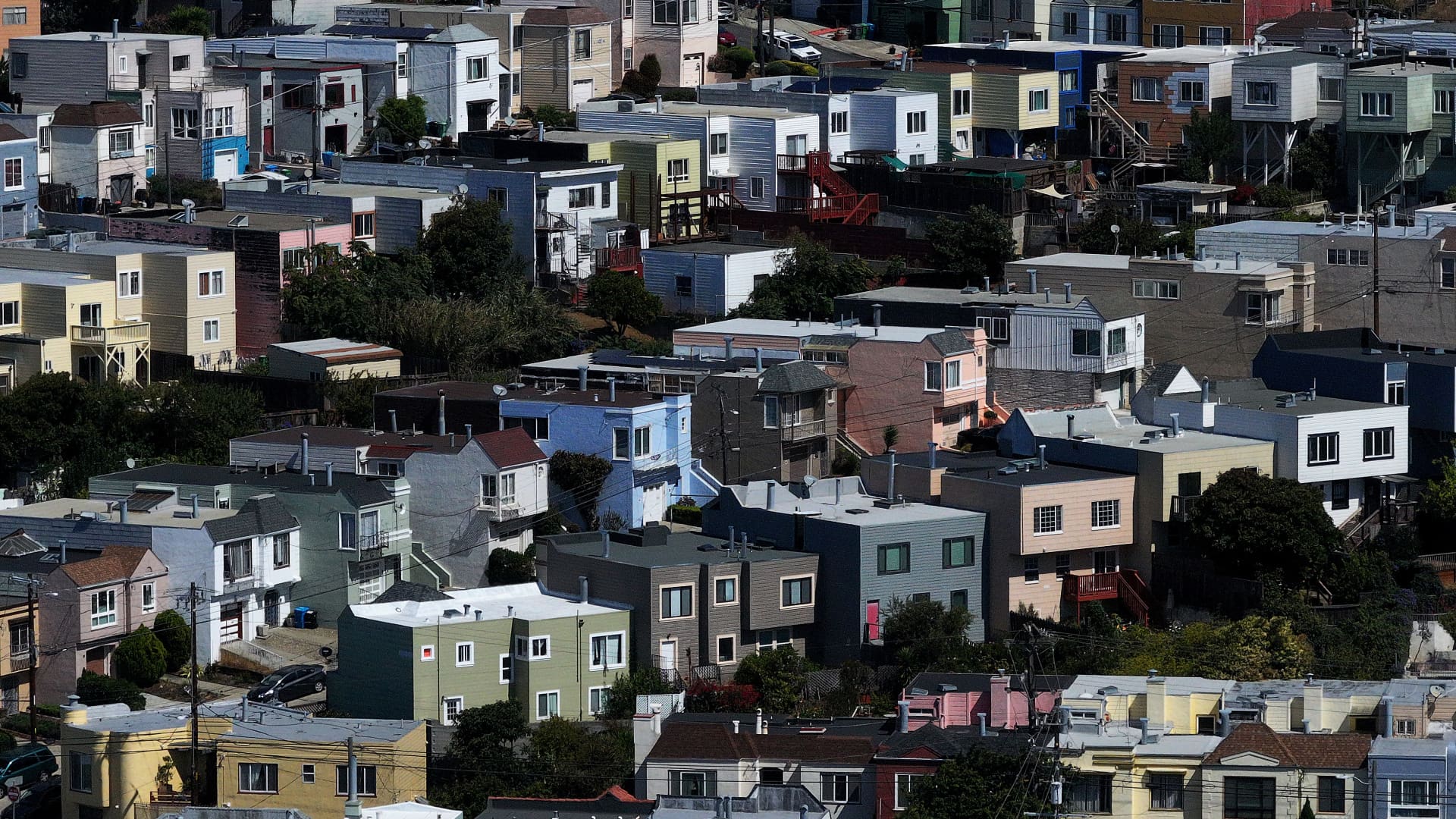
In a state long overwhelmed by soaring housing costs and restrictive building rules, one city has embraced a surprisingly bold architectural twist: removing a staircase. Literally. Culver City has officially become the first municipality in California to legalize mid‑rise apartment buildings with only one exit stairwell.

It may sound small, but architects and YIMBY advocates argue this single update could unlock an entirely new style of elegant, efficient mid‑rise housing. The full story was first reported by the excellent journalists at CalMatters, whose coverage offers deep insight into this growing movement.

Why One Staircase Matters

For decades, U.S. building codes required multifamily buildings taller than three stories to have two staircases connected by a corridor. That second staircase eats up precious floor space and often forces designers into long, hotel‑style hallways filled mostly with tiny units.

Culver City’s new six‑year policy allows six‑story buildings with a single staircase — as long as they stay under 4,000 square feet per floor and incorporate enhanced fire‑safety systems.

“This is bigger than a staircase.” — Bubba Fish, Culver City Councilmember

According to the Pew Charitable Trusts, those hallways and stairwells take up an average of 7% of a building’s usable space. Reclaiming that square footage allows for larger units, more natural light, and more attractive layouts inspired by cities like Brooklyn and Berlin.

Small Lots, Big Potential

Cities like Seattle and New York have relied on single‑stair buildings for decades, particularly on odd‑shaped lots where two staircases simply wouldn’t fit. As CalMatters notes, Culver City may follow suit — bringing life to small parcels that would otherwise remain underdeveloped.

With California’s new Senate Bill 79 supporting denser housing near transit stops, this shift could spark a wave of fresh development across Los Angeles County.

But What About Fire Safety?

Fire officials argue that more exits mean safer buildings — an understandable concern given the history of U.S. fire disasters. But recent research paints a different picture.

Pew’s analysis of residential fire deaths (2012–2024) shows:

  • No fire deaths attributable to single‑stair buildings in New York City
  • No cases linked to single‑stair buildings in Seattle

Culver City also added enhanced safeguards such as pressurized or open‑air staircases, upgraded sprinklers, and self‑closing doors — plus strict limits on the total number of units.

“It’s almost impossible to go up against firefighters. They are a highly beloved group.” — Ed Mendoza, California YIMBY

A Legal Gamble With Statewide Consequences

The California Building Standards Commission approved Culver City’s ordinance but acknowledged the city is walking a fine legal line. A new state law froze local building‑code changes for six years — and Culver City slipped in just before the deadline. Other major cities weren’t so lucky.

Now the experiment is underway. If successful, it could inspire statewide change. The State Fire Marshal is already reviewing the potential for broader reform.

Why This Matters to Real Estate Professionals

For those in real estate, mortgage, insurance, development, or construction, this reform could reshape the types of multifamily properties emerging across California and, eventually, other states.

More buildable lots mean more inventory. More inventory means shifting market dynamics. And understanding these trends gives professionals a competitive edge.

That’s where Cameron Academy comes in. Our real estate and professional licensing programs — especially in fast‑growing markets like Florida — help both new and experienced professionals stay ahead of the codes, trends, and innovations reshaping America’s housing landscape.

California’s Staircase Experiment Has Begun

Will Culver City become a model for the nation, or remain a one‑off outlier? Only time, data, and public sentiment will decide. But one thing is clear: the conversation around how America builds homes has officially changed.

For now, all eyes are on a single staircase — and the monumental change it might spark.

More Articles

Getting licensed or staying ahead in your career can be a journey—but it doesn’t have to be overwhelming. Grab your favorite coffee or tea, take a moment to relax, and browse through our articles. Whether you’re just starting out or renewing your expertise, we’ve got tips, insights, and advice to keep you moving forward. Here’s to your success—one sip and one step at a time!

Why Today’s High Mortgage Rates Matter More Than Ever for the Housing Market

A growing share of American homeowners now carry mortgage rates above 5%—a dramatic shift that’s reshaping refinancing, inventory, and buyer behavior nationwide. With more than 30% of borrowers locked into rates over 5% and 20% above 6%, the market is split between owners holding on to low pandemic‑era loans and new buyers taking on higher‑rate mortgages. Federal efforts to push rates down could unlock millions of refinancing opportunities, while buyers see only modest monthly savings. For real estate professionals, understanding these rate dynamics is crucial as they increasingly drive inventory levels, affordability, and market activity.

CRE Deal Volume Dips in December, but Office Sector Stages an Unexpected Comeback

New Moody’s data shows commercial real estate deal volume slipped 20% in December, marking a second monthly decline. Yet the full year tells a different story: 2025 ended with a 17% gain, signaling a quiet but resilient recovery. The biggest surprise came from the office sector, which posted a 21% jump in activity as return‑to‑office trends and AI‑driven job growth boosted demand. Multifamily, retail, and alternative assets like data centers also saw strong momentum, giving real estate professionals a market full of fresh opportunities heading into 2026.

Florida Kicks Off 2026 With Major Auto Insurance Rate Cuts and Market Stability

Florida drivers and industry professionals are heading into 2026 with good news: auto insurance rates are dropping across the state as the market shows strong signs of stabilization. USAA leads the latest wave with a 7% average rate decrease expected in May 2026, saving members more than $125 million annually. They join several major insurers — including State Farm, Progressive, AAA, Allstate, and Florida Farm Bureau — all approving significant reductions. Officials credit recent legislative reforms, especially tort reform, for the improved loss ratios and renewed insurer confidence. With both auto and home insurance markets strengthening, Florida’s real estate, mortgage, and insurance professionals can expect more consumer confidence, smoother transactions, and expanding career opportunities.

The 2024 Housing Shortage: Why America Is Still 1.2 Million Homes Behind

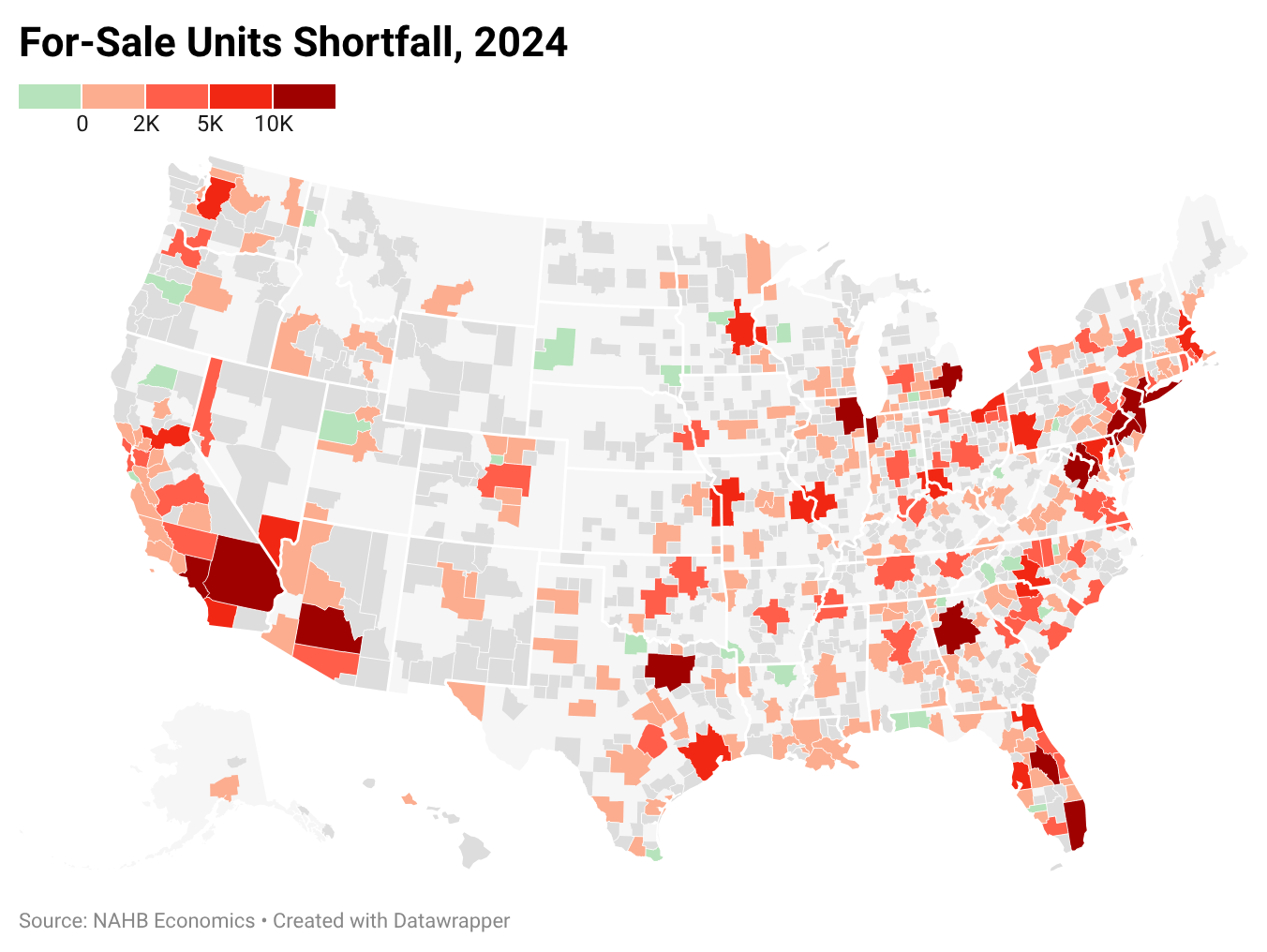
New data from Eye On Housing and the NAHB shows the U.S. remains short more than 1.2 million housing units, keeping pressure on both rents and home prices. Record‑low vacancy rates, slow single‑family construction, and restrictive zoning continue to fuel intense competition in 2024. Major metros like Chicago, New York, and Atlanta face some of the deepest deficits, and the true nationwide shortfall may be even higher when accounting for overcrowding and aging homes. For real estate professionals, the ongoing shortage means sustained demand, tighter inventory, and major opportunities for those who understand the evolving market.

AI Isn’t the Shiny Object Anymore — It’s the New System Driving Real Estate Success

Top real estate coach Jason Pantana says the divide between agents today isn’t about who has “tried” AI — it’s about who is immersed in it. In a new HousingWire interview, he explains why AI isn’t a gimmick but a full business system that amplifies output, improves authenticity, and reshapes how clients search for agents. From prompt mastery to AI‑driven visibility on Google, Pantana reveals how agents who commit even 15 minutes a day to learning AI are already outperforming those who hesitate.

DFW Commercial Real Estate 2025: Industrial Surges, Retail Shines, Office Struggles

Dallas–Fort Worth’s commercial real estate market closed 2025 with a split personality. Industrial dominated with massive new deliveries and soaring leasing demand, retail held steady with some of the market’s strongest fundamentals in years, and office continued to falter under remote‑work pressures. High vacancies, weak absorption, and rising demand for top‑tier space show the sector’s ongoing reset. Meanwhile, industrial and retail strength position the Metroplex for another powerhouse year heading into 2026.