The California City Betting Big on a Single Staircase to Fix Housing
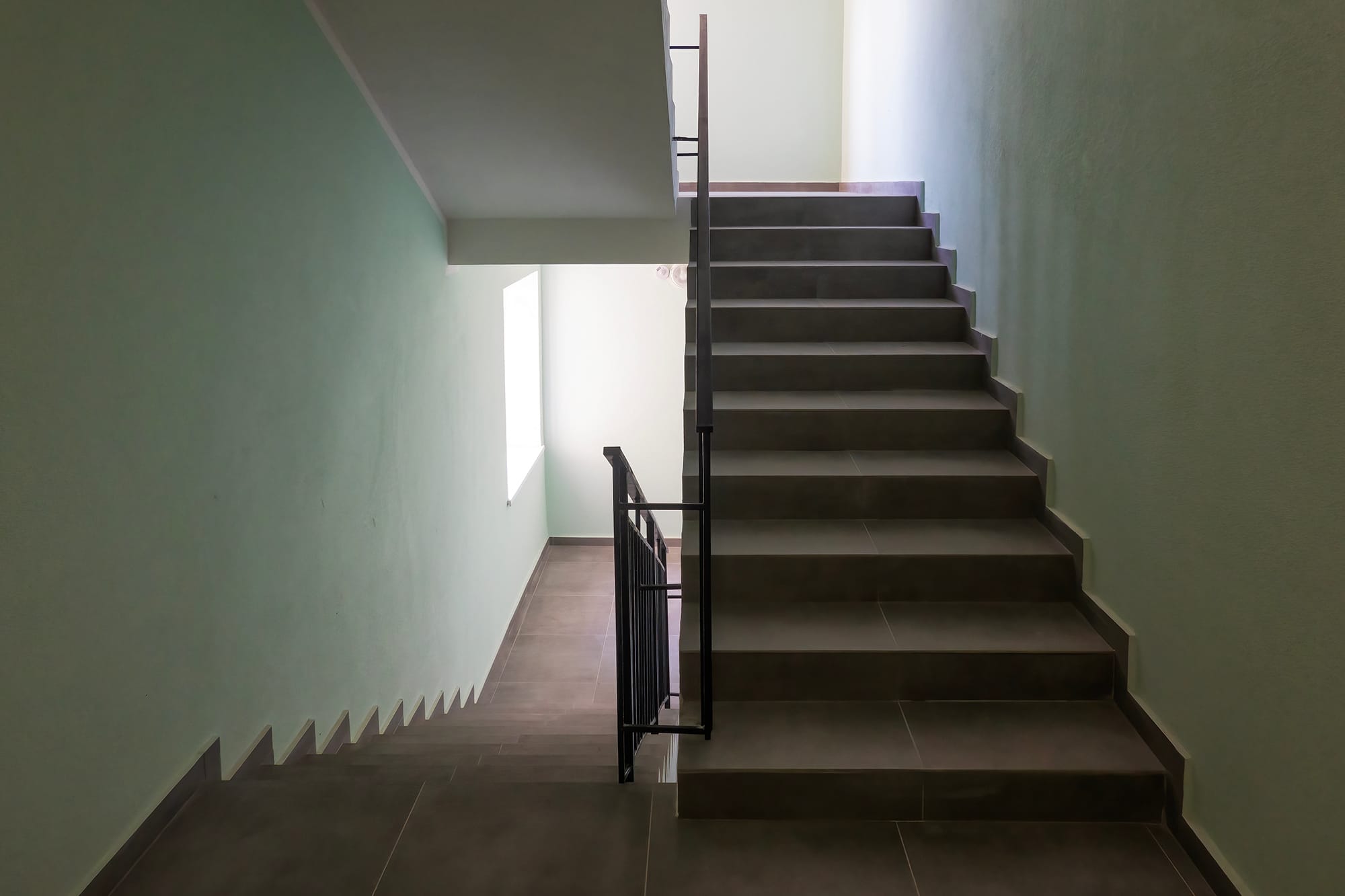
In a state long overwhelmed by soaring housing costs and restrictive building rules, one city has embraced a surprisingly bold architectural twist: removing a staircase. Literally. Culver City has officially become the first municipality in California to legalize mid‑rise apartment buildings with only one exit stairwell.
It may sound small, but architects and YIMBY advocates argue this single update could unlock an entirely new style of elegant, efficient mid‑rise housing. The full story was first reported by the excellent journalists at CalMatters, whose coverage offers deep insight into this growing movement.
Why One Staircase Matters
For decades, U.S. building codes required multifamily buildings taller than three stories to have two staircases connected by a corridor. That second staircase eats up precious floor space and often forces designers into long, hotel‑style hallways filled mostly with tiny units.
Culver City’s new six‑year policy allows six‑story buildings with a single staircase — as long as they stay under 4,000 square feet per floor and incorporate enhanced fire‑safety systems.
“This is bigger than a staircase.” — Bubba Fish, Culver City Councilmember
According to the Pew Charitable Trusts, those hallways and stairwells take up an average of 7% of a building’s usable space. Reclaiming that square footage allows for larger units, more natural light, and more attractive layouts inspired by cities like Brooklyn and Berlin.
Small Lots, Big Potential
Cities like Seattle and New York have relied on single‑stair buildings for decades, particularly on odd‑shaped lots where two staircases simply wouldn’t fit. As CalMatters notes, Culver City may follow suit — bringing life to small parcels that would otherwise remain underdeveloped.
With California’s new Senate Bill 79 supporting denser housing near transit stops, this shift could spark a wave of fresh development across Los Angeles County.
But What About Fire Safety?
Fire officials argue that more exits mean safer buildings — an understandable concern given the history of U.S. fire disasters. But recent research paints a different picture.
Pew’s analysis of residential fire deaths (2012–2024) shows:
- No fire deaths attributable to single‑stair buildings in New York City
- No cases linked to single‑stair buildings in Seattle
Culver City also added enhanced safeguards such as pressurized or open‑air staircases, upgraded sprinklers, and self‑closing doors — plus strict limits on the total number of units.
“It’s almost impossible to go up against firefighters. They are a highly beloved group.” — Ed Mendoza, California YIMBY
A Legal Gamble With Statewide Consequences
The California Building Standards Commission approved Culver City’s ordinance but acknowledged the city is walking a fine legal line. A new state law froze local building‑code changes for six years — and Culver City slipped in just before the deadline. Other major cities weren’t so lucky.
Now the experiment is underway. If successful, it could inspire statewide change. The State Fire Marshal is already reviewing the potential for broader reform.
Why This Matters to Real Estate Professionals
For those in real estate, mortgage, insurance, development, or construction, this reform could reshape the types of multifamily properties emerging across California and, eventually, other states.
More buildable lots mean more inventory. More inventory means shifting market dynamics. And understanding these trends gives professionals a competitive edge.
That’s where Cameron Academy comes in. Our real estate and professional licensing programs — especially in fast‑growing markets like Florida — help both new and experienced professionals stay ahead of the codes, trends, and innovations reshaping America’s housing landscape.
California’s Staircase Experiment Has Begun
Will Culver City become a model for the nation, or remain a one‑off outlier? Only time, data, and public sentiment will decide. But one thing is clear: the conversation around how America builds homes has officially changed.
For now, all eyes are on a single staircase — and the monumental change it might spark.