California Legislators Target Corporate Landlords in Housing Market Shake-Up
California’s
housing market is in the crosshairs of some of the state’s most influential lawmakers, who are determined to curb the influence of institutional investors. This legislative session, at least three bills are being considered to prevent these
corporate landlords from amassing a significant number of the state’s single-family homes.
The rise of Big Money-owned single-family rentals is a relatively new phenomenon, emerging in the wake of the Great Recession. Proponents argue that these investors helped stabilize local housing markets by filling vacant homes. Critics, however, label them as “financial vultures,” depriving potential homeowners of the
American Dream while reaping profits from the housing boom.
The pandemic reignited this debate as remote workers sought more spacious living arrangements, driving demand for
single-family homes. Although high interest rates have tempered this trend, the industry remains a formidable presence unless new legislative restrictions are imposed.
California might lead the way in enacting such measures. “Who are we fighting for? Are we fighting for the corporate interests?” questioned San Diego Assemblymember Chris Ward, who chairs the Assembly’s housing committee and authored one of the bills. “Or are we fighting for Californians, for their
dream of homeownership?”
Legislative Proposals
- Assembly Bill 2584 by Assemblymember Alex Lee aims to prohibit institutional investors from purchasing or investing in additional single-family homes to rent out.
- Senate Bill 1212, proposed by Senate Housing Committee Chair Nancy Skinner, seeks to ban institutional investors from acquiring or leasing single-family homes or duplexes altogether.
- Assembly Bill 1333, authored by Ward, would prevent developers from selling homes in bulk to large investors, targeting “build-to-rent” projects.
Defining Institutional Investors
The definition of “institutional investors” varies. Lee’s bill identifies them as entities with portfolios exceeding 1,000 single-family homes, affecting only a handful of companies. Skinner’s proposal encompasses a broader range, including managed funds and real estate investment trusts. Ward’s bill aligns with Lee’s criteria but also targets these trusts.
Impact on Homeownership and Rents
Nationwide, businesses owning at least 1,000 single-family homes account for approximately 446,000 properties. However, they represent a small fraction of the overall housing stock. Critics argue that these figures overlook regional concentrations and the industry’s growth potential.
In California, large investors are more prevalent in rapidly growing, affordable areas like the Inland Empire and Fresno. The largest corporate owner, Invitation Homes, owns over 11,800 homes in the state, according to the
Securities and Exchange Commission.
The debate continues over whether corporate landlords drive up rents or simply follow rising trends. Some studies suggest that these investors may contribute to rent increases, while others argue they enhance neighborhood quality by improving security and reducing crime.
Effect on First-Time Buyers
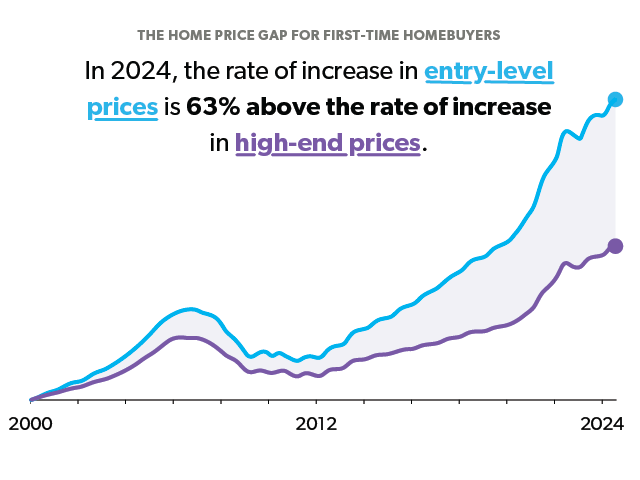
Institutional investors buying homes for rentals reduce opportunities for first-time buyers, especially in areas with limited new construction. However, proponents argue that these rentals provide access to single-family living for those unable to afford a home purchase.
Corporate Landlords: Good or Bad?
Corporate landlords often operate with standardized procedures, offering 24/7 management services. Yet, they can also be more aggressive with eviction notices. Recent legal actions against companies like Invitation Homes and JD Home Rentals highlight ongoing concerns about compliance and tenant relations.
As California lawmakers weigh these issues, the future of corporate landlords in the state’s housing market remains uncertain. For more details, refer to the original
CalMatters article.