In a state where the cost of living continues to skyrocket, Californians are once again faced with crucial decisions on housing policies. This November, voters will find two propositions on the ballot that address rent control, each with its own distinct approach and implications.
Proposition 33 seeks to empower local governments with greater authority over rent caps. Currently, restrictions prevent cities from limiting rents on single-family homes, apartments built post-1995, and for new tenants. By eliminating these constraints, Prop. 33 aims to stabilize housing markets and reduce homelessness. Supporters argue that this measure is essential for keeping more people housed, while opponents, notably landlord groups, caution that it could decrease profitability and worsen the existing housing crunch.
This isn’t the first time Californians have faced such a choice. Similar measures were struck down in both 2018 and 2020. The ongoing debate highlights the tension between tenant advocates and property owners, each vying for a solution that addresses their concerns.
Meanwhile, Proposition 34 introduces a different kind of reform, targeting fiscal responsibility within the healthcare sector. This measure would compel California healthcare providers to allocate at least 98% of revenue from a specific prescription drug discount program towards direct patient care. The AIDS Healthcare Foundation, which has historically funded rent control initiatives, is at the center of this proposition. Landlord groups, aiming to curtail the foundation’s influence, support Prop. 34 as a means of enforcing accountability.
For voters seeking to delve deeper into these propositions, Marisa Kendall of CalMatters provides a detailed analysis, while Erica Yee offers an interactive quiz to help voters assess their stance. Additionally, a video explainer offers a quick overview of Prop. 33’s potential impact.
As the November election approaches, Californians are encouraged to stay informed and engaged. The decisions made at the ballot box will undoubtedly shape the future of housing and healthcare policies in the state.
More Articles
Getting licensed or staying ahead in your career can be a journey—but it doesn’t have to be overwhelming. Grab your favorite coffee or tea, take a moment to relax, and browse through our articles. Whether you’re just starting out or renewing your expertise, we’ve got tips, insights, and advice to keep you moving forward. Here’s to your success—one sip and one step at a time!
"AI and machine learning are emerging as powerful technologies to address this issue, improving the accuracy of medical diagnosis and revolutionizing healthcare with their myriad applications."
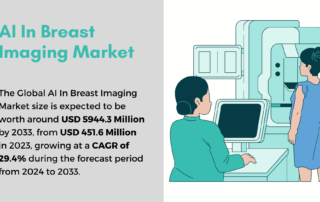
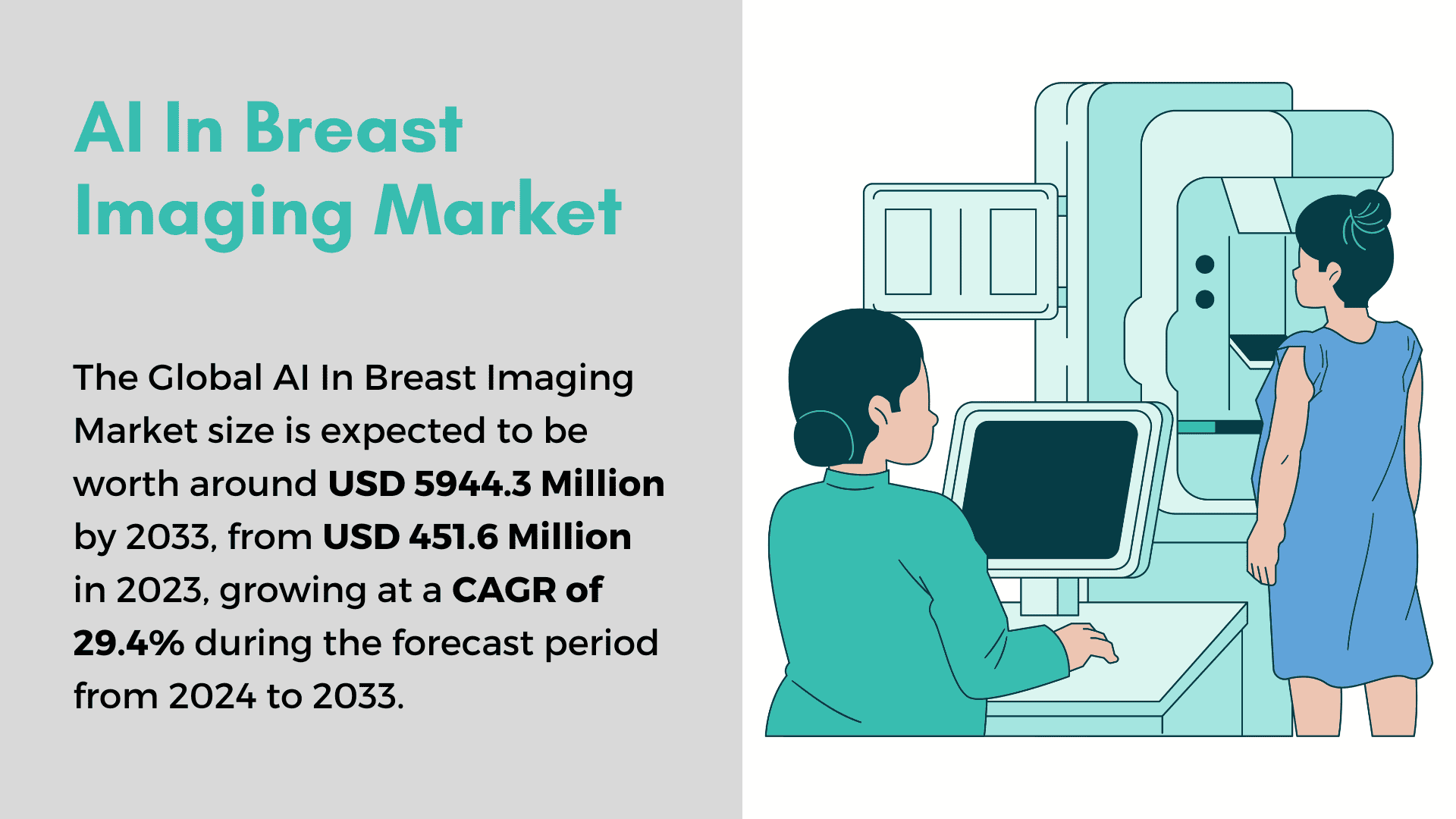
The global AI in breast imaging market is on a remarkable growth trajectory, projected to swell from USD 451.6 million in 2023 to an impressive USD 5944.3 million by 2033. This represents a compound annual growth rate (CAGR) of 29.4%, primarily driven by cutting-edge advancements in AI technologies that significantly enhance diagnostic accuracy, facilitate early detection, and boost healthcare efficiency.
Virtual real estate in metaverses is becoming a focal point for investors worldwide, with digital plots of land mirroring traditional real estate value based on location, size, and platform popularity.
Artificial intelligence (AI) and machine learning are at the forefront of revolutionizing in-vitro diagnostic (IVD) tools, redefining diagnostics and enhancing healthcare outcomes on multiple fronts.
As we edge closer to 2030, the life sciences industry stands on the threshold of transformative changes. With a global valuation exceeding $2 trillion, the sector is poised for significant growth, driven by technological advancements and an aging population.
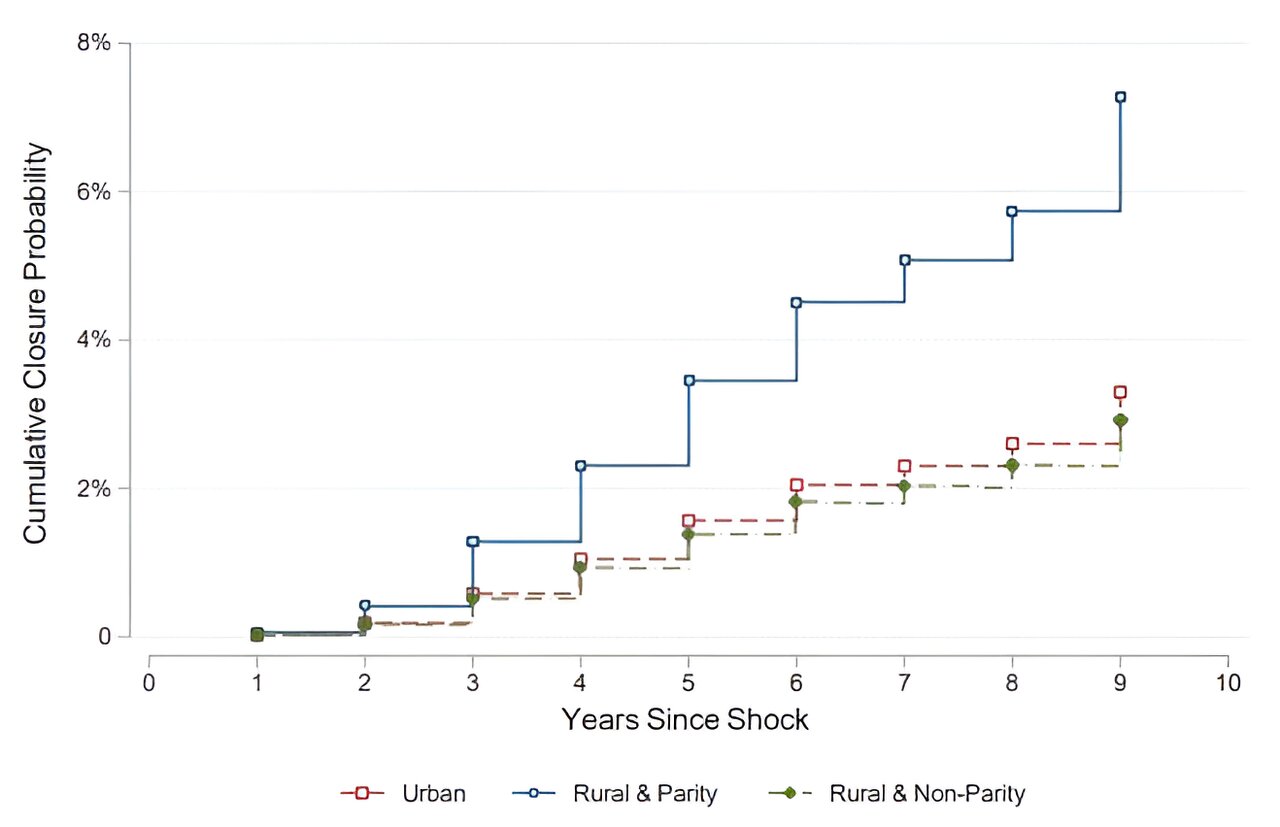
The advent of telehealth has revolutionized the way patients, particularly those in rural areas, access health care. By offering remote consultations and follow-up care, telehealth provides a convenient alternative to traveling long distances to urban hospitals. However, this technological advancement brings with it a set of challenges that could reshape the rural health care landscape.

 In a state where the cost of living continues to skyrocket, Californians are once again faced with crucial decisions on housing policies. This November, voters will find two propositions on the ballot that address rent control, each with its own distinct approach and implications.