In a move that has sparked significant controversy, the State Bar of California has admitted to utilizing artificial intelligence (AI) in the development of some of its bar exam questions. This revelation has drawn widespread criticism and concern from various stakeholders in the legal community.

California state bar headquarters

The admission came after numerous candidates reported technical issues and irregularities during the February bar exam, as detailed in a Los Angeles Times article. The State Bar’s decision to incorporate AI into the exam process was made public through a news release, revealing that AI-assisted questions were crafted by ACS Ventures, the Bar’s independent psychometrician.

Mary Basick, assistant dean of academic skills at UC Irvine Law School, expressed her disbelief, stating, “Having the questions drafted by non-lawyers using artificial intelligence is just unbelievable.” This sentiment was echoed by Katie Moran, an associate professor at the University of San Francisco School of Law, who criticized the potential conflict of interest, as the same psychometricians responsible for developing the AI questions were also tasked with validating them.

The State Bar’s executive director, Leah Wilson, defended the integrity of the AI-developed questions, asserting confidence in their ability to assess legal competence fairly. However, the controversy continues to unfold as critics call for greater transparency and accountability.

For further details, refer to the original article by Jenny Jarvie in the Los Angeles Times.

More Articles

Getting licensed or staying ahead in your career can be a journey—but it doesn’t have to be overwhelming. Grab your favorite coffee or tea, take a moment to relax, and browse through our articles. Whether you’re just starting out or renewing your expertise, we’ve got tips, insights, and advice to keep you moving forward. Here’s to your success—one sip and one step at a time!

The AI Boom in Cancer: Game-Changer or Just Hype?

The promise of artificial intelligence (AI) in the field of oncology is nothing short of revolutionary. As the world grapples with the complexities of cancer, AI is emerging as a potential game-changer in diagnostics, treatment personalization, and drug discovery.

By |January 15, 2025|Categories: Article, Healthcare, Technology|Tags: |0 Comments

HHS Unveils AI Strategic Plan to Revolutionize Healthcare

The U.S. Department of Health and Human Services (HHS) has unveiled its ambitious AI Strategic Plan, a comprehensive blueprint aimed at revolutionizing healthcare, human services, and public health through the transformative power of artificial intelligence.

By |January 15, 2025|Categories: Article, Artificial Intelligence, Healthcare|Tags: , |0 Comments

United States Naval Academy Class of 2024 Graduation

The ceremony was graced by the presence of three distinguished speakers, whose words of wisdom and encouragement left a lasting impression on the attendees.

By |January 14, 2025|Categories: Article, Education, Military|Tags: , |0 Comments

AI Certifications: The Key to Future-Proofing Your Career

In the fast-paced world of artificial intelligence (AI), staying current with the latest technological advancements is crucial for professionals aiming to excel in their careers. As businesses increasingly integrate AI into their operations, the demand for skilled AI experts is surging.

By |January 14, 2025|Categories: Article, Education, Technology|Tags: , |0 Comments

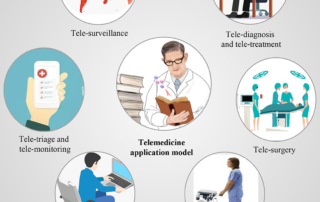
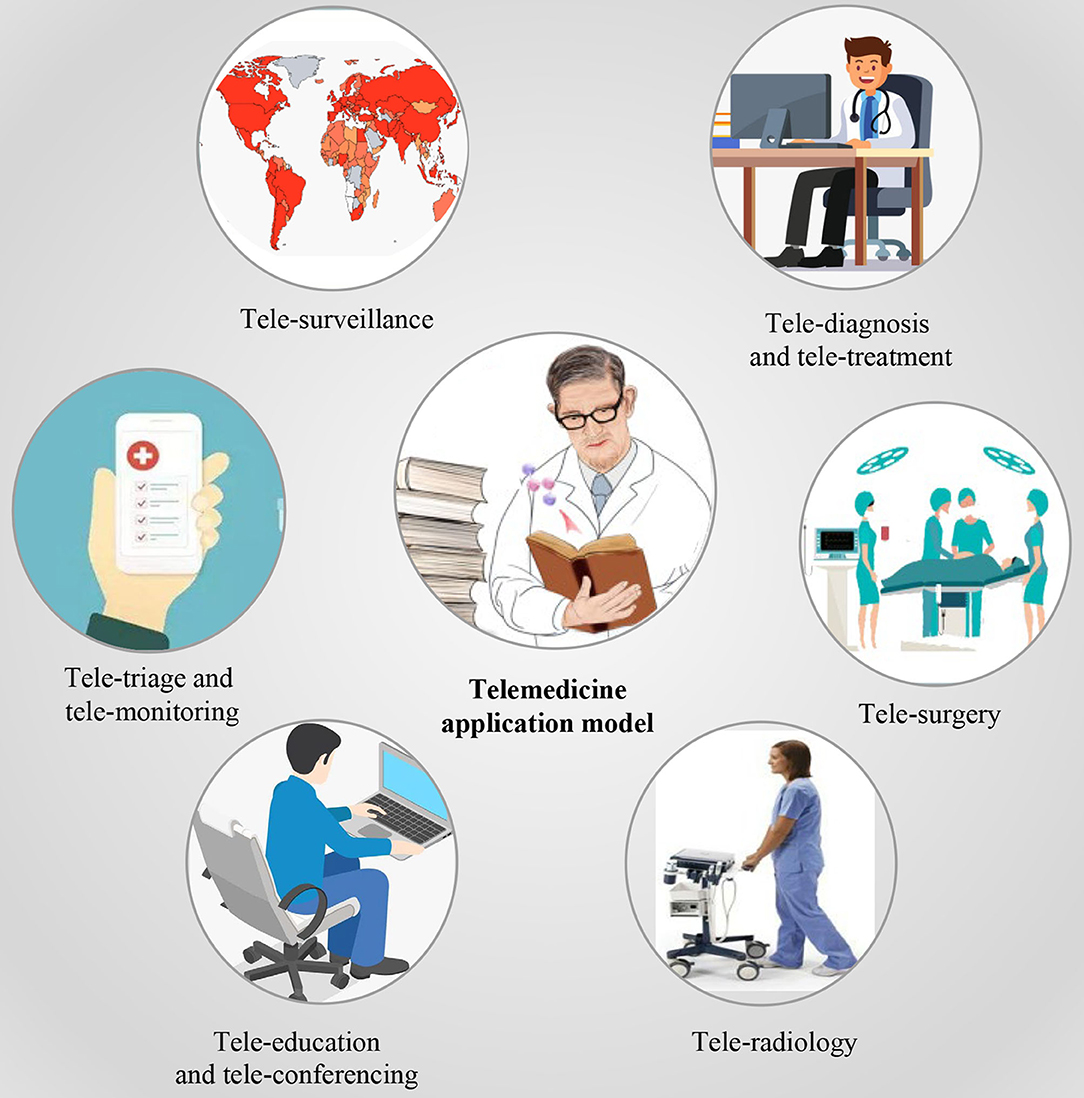
Telemedicine: A Digital Revolution in Healthcare Amid COVID-19

The year 2020 marked a significant turning point in the global healthcare landscape, as the COVID-19 pandemic accelerated the adoption of digital technologies such as telemedicine.

By |January 14, 2025|Categories: Article, Healthcare, Technology|Tags: , |0 Comments

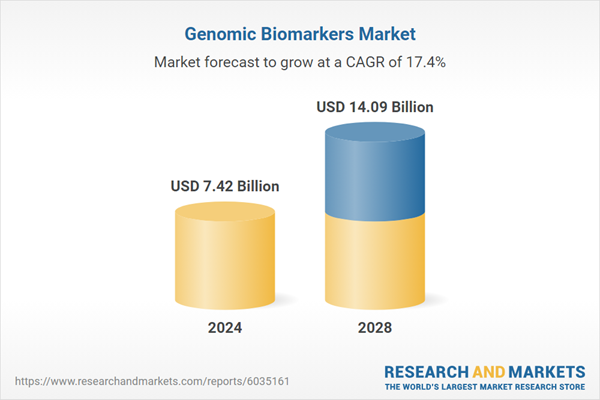
Genomic Biomarkers Market Thrives with Personalized Medicine Boom

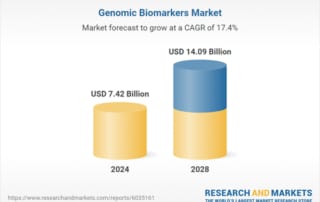
The genomic biomarkers market is witnessing a significant surge, driven by the burgeoning demand for personalized medicine. According to the latest report, the market is projected to grow to $14.09 billion by 2028, marking a compound annual growth rate (CAGR) of 17.4%. This approach not only optimizes treatment effectiveness but also minimizes side effects, making it a cornerstone of modern healthcare.