In a move that has sparked significant controversy, the State Bar of California has admitted to utilizing artificial intelligence (AI) in the development of some of its bar exam questions. This revelation has drawn widespread criticism and concern from various stakeholders in the legal community.

California state bar headquarters

The admission came after numerous candidates reported technical issues and irregularities during the February bar exam, as detailed in a Los Angeles Times article. The State Bar’s decision to incorporate AI into the exam process was made public through a news release, revealing that AI-assisted questions were crafted by ACS Ventures, the Bar’s independent psychometrician.

Mary Basick, assistant dean of academic skills at UC Irvine Law School, expressed her disbelief, stating, “Having the questions drafted by non-lawyers using artificial intelligence is just unbelievable.” This sentiment was echoed by Katie Moran, an associate professor at the University of San Francisco School of Law, who criticized the potential conflict of interest, as the same psychometricians responsible for developing the AI questions were also tasked with validating them.

The State Bar’s executive director, Leah Wilson, defended the integrity of the AI-developed questions, asserting confidence in their ability to assess legal competence fairly. However, the controversy continues to unfold as critics call for greater transparency and accountability.

For further details, refer to the original article by Jenny Jarvie in the Los Angeles Times.

More Articles

Getting licensed or staying ahead in your career can be a journey—but it doesn’t have to be overwhelming. Grab your favorite coffee or tea, take a moment to relax, and browse through our articles. Whether you’re just starting out or renewing your expertise, we’ve got tips, insights, and advice to keep you moving forward. Here’s to your success—one sip and one step at a time!

Autonomous Vehicles and Their Economic Impact: A Look into the Future of Mobility

The recent enactment of the Automated Vehicles Act in the UK heralds a new era for transportation, with self-driving vehicles expected to hit the roads by 2026. This legislative milestone is poised to revolutionize how people and goods move across the nation, potentially transforming urban spaces and transport systems as we know them.

By |December 13, 2024|Categories: Article, Economics, Technology|Tags: , |0 Comments

AI in Healthcare: Revolutionizing Medicine or Overhyped Promise

In the rapidly evolving landscape of healthcare, artificial intelligence (AI) stands at the forefront of technological innovation, promising to revolutionize medicine. From brain surgery to personalized treatments, the potential applications of AI are vast and varied. Yet, as the Forbes article suggests, the line between groundbreaking innovation and overhyped promise is razor-thin.

The Rise of Central Bank Digital Currencies: A New Era in Finance

In the rapidly evolving world of finance, central bank digital currencies (CBDCs) are emerging as a transformative force.

The Ethical Maze of AI in Radiography: A Saudi Arabian Perspective

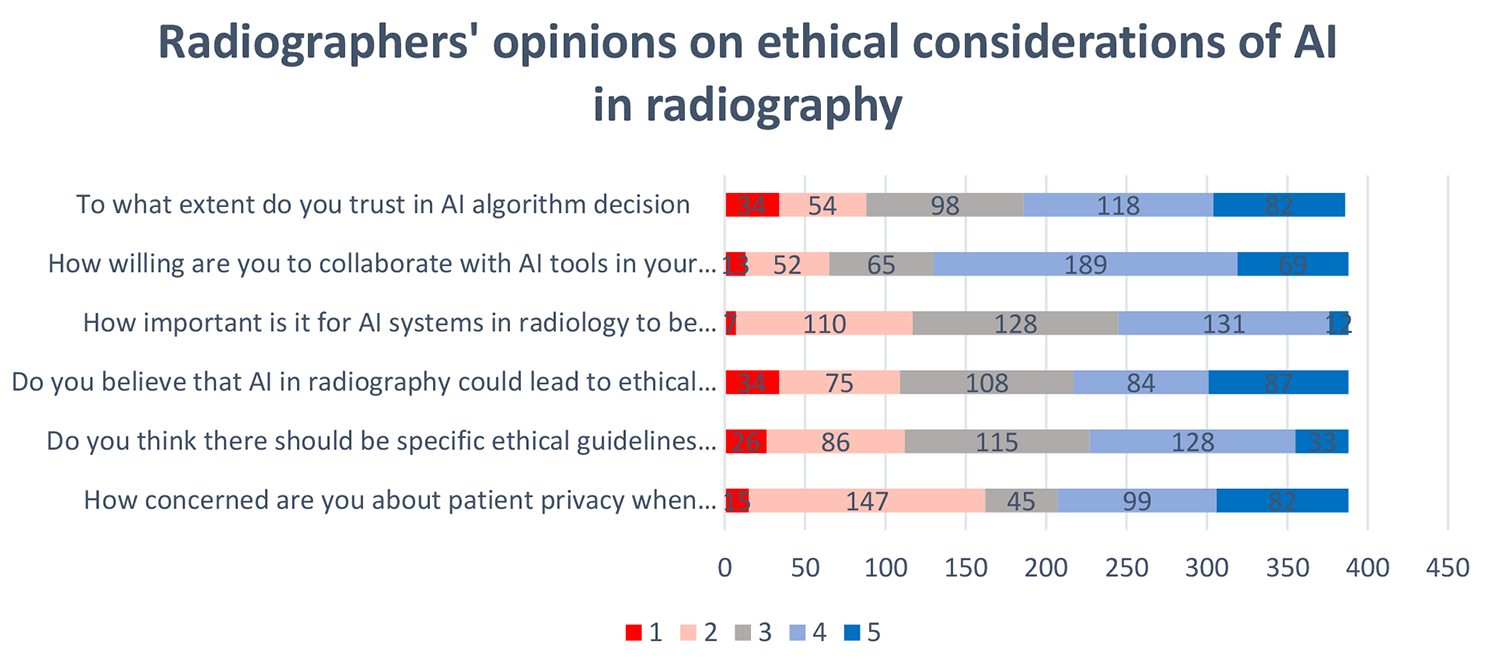
The research highlights the transformative opportunities AI presents for diagnostic imaging, alongside the ethical considerations that accompany its adoption.

The Telehealth Revolution: Transforming the Healthcare Landscape

The revolution in telehealth is not just a trend—it's a transformative force reshaping the healthcare landscape. As highlighted by Amy Groden-Morrison, VP of Marketing at Alpha Software, understanding these advancements is crucial for making informed decisions for the future. The digital health market is projected to skyrocket to $551.09 billion by 2027, driven by innovations in AI, telehealth, and wearable technology.

By |December 12, 2024|Categories: Article, Healthcare, Technology|Tags: , |0 Comments

Electric Vehicle Market Surges Amidst Economic and Environmental Challenges

The global electric vehicle (EV) market is experiencing a remarkable transformation, driven by a combination of technological advancements, policy incentives, and growing environmental awareness.