In an unprecedented legislative action, California is poised to become the first state in the United States to mandate speed assistance technology in vehicles. This initiative, spearheaded by state senator Scott Wiener, aims to warn drivers when they exceed the speed limit by more than 10 miles per hour. The proposed legislation has stirred a mix of support and opposition, highlighting the complexities of implementing new technology in the automotive industry.
The Legislative Journey
The bill, introduced by Wiener earlier this year, initially proposed an active speed assistance model that would physically prevent vehicles from surpassing speed limits. However, following significant pushback, the bill was revised to incorporate a passive system that merely alerts drivers of their speeding. This change was made to accommodate concerns while still prioritizing safety.
The National Transportation Safety Board (NTSB) has lauded the bill, stating that the widespread use of speed assistance could reduce the frequency of speeding-related accidents, potentially saving lives. Despite the NTSB’s support, it lacks the authority to enforce such measures, leaving the decision in the hands of state and federal lawmakers.
Voices of Opposition
Critics of the bill, including the National Motorists Association and the automotive industry, argue that the technology is not yet ready for widespread deployment. Jay Beeber of the National Motorists Association expressed concerns over the potential for “false positives” and the risk of distracting drivers. The Specialty Equipment Market Association also voiced opposition, emphasizing California’s overreach and the need for federal oversight.
A significant challenge noted by opponents is the lack of consistent speed limit signage across the U.S., which is essential for the effective operation of speed assistance systems. This contrasts with Europe, where such infrastructure is more developed, allowing for reliable use of the technology.
Looking Ahead
California’s decision to push forward with this legislation, despite federal inertia, mirrors historical precedents in auto safety innovation, such as the early adoption of seat belts. The bill has passed the California legislature and now awaits Governor Gavin Newsom’s approval, a decision that could set a new standard in vehicular safety and influence national policy.
For more details on this evolving story, visit the original NPR article.
More Articles
Getting licensed or staying ahead in your career can be a journey—but it doesn’t have to be overwhelming. Grab your favorite coffee or tea, take a moment to relax, and browse through our articles. Whether you’re just starting out or renewing your expertise, we’ve got tips, insights, and advice to keep you moving forward. Here’s to your success—one sip and one step at a time!
AI-powered sentiment analysis is giving real estate investors a major edge by scanning millions of online conversations to detect market shifts long before traditional data responds. From predicting neighborhood momentum to spotting declining tenant satisfaction, this technology captures real-time public emotion across office, retail, and multifamily sectors. As trends in sentiment become as important as demographics and NOI, professionals who understand these tools will stay ahead of the next market move.
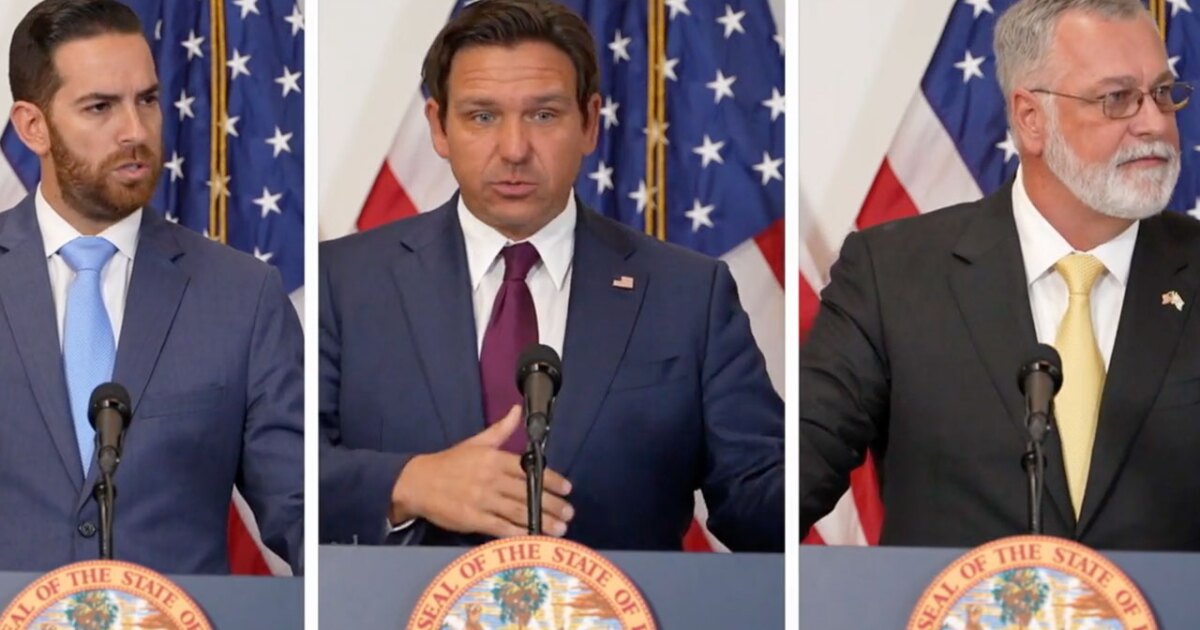
Florida lawmakers are racing toward a high-stakes finish to the legislative session as a sweeping property tax overhaul triggers fierce debate. The House is pushing to eliminate most non-school property taxes on primary homes, while the Senate urges caution and Gov. Ron DeSantis floats even bigger changes. With Democrats warning of budget crises and only weeks left to strike a deal, the future of Florida’s tax structure—and its real estate market—hangs in the balance.
Florida homeowners are getting rare financial relief as the emergency insurance assessment—added after multiple insurers collapsed post‑Hurricane Ian—has been paid off two years early. The early payoff wipes out the charge of about $30 per household per year and delivers more than $650 million in statewide savings. With the insurance market stabilizing faster than expected, real estate and insurance professionals can expect a slightly more favorable environment for buyers and policyholders alike.
After years of pandemic‑driven disruption, rising vacancies, and interest‑rate volatility, confidence is finally returning to commercial real estate. Major analysts report that leasing activity is accelerating, investor appetite is rising, and high‑quality properties are leading the rebound. With investment volumes expected to jump and vacancies beginning to fall, 2026 is shaping up to be the long‑awaited turning point for the industry.
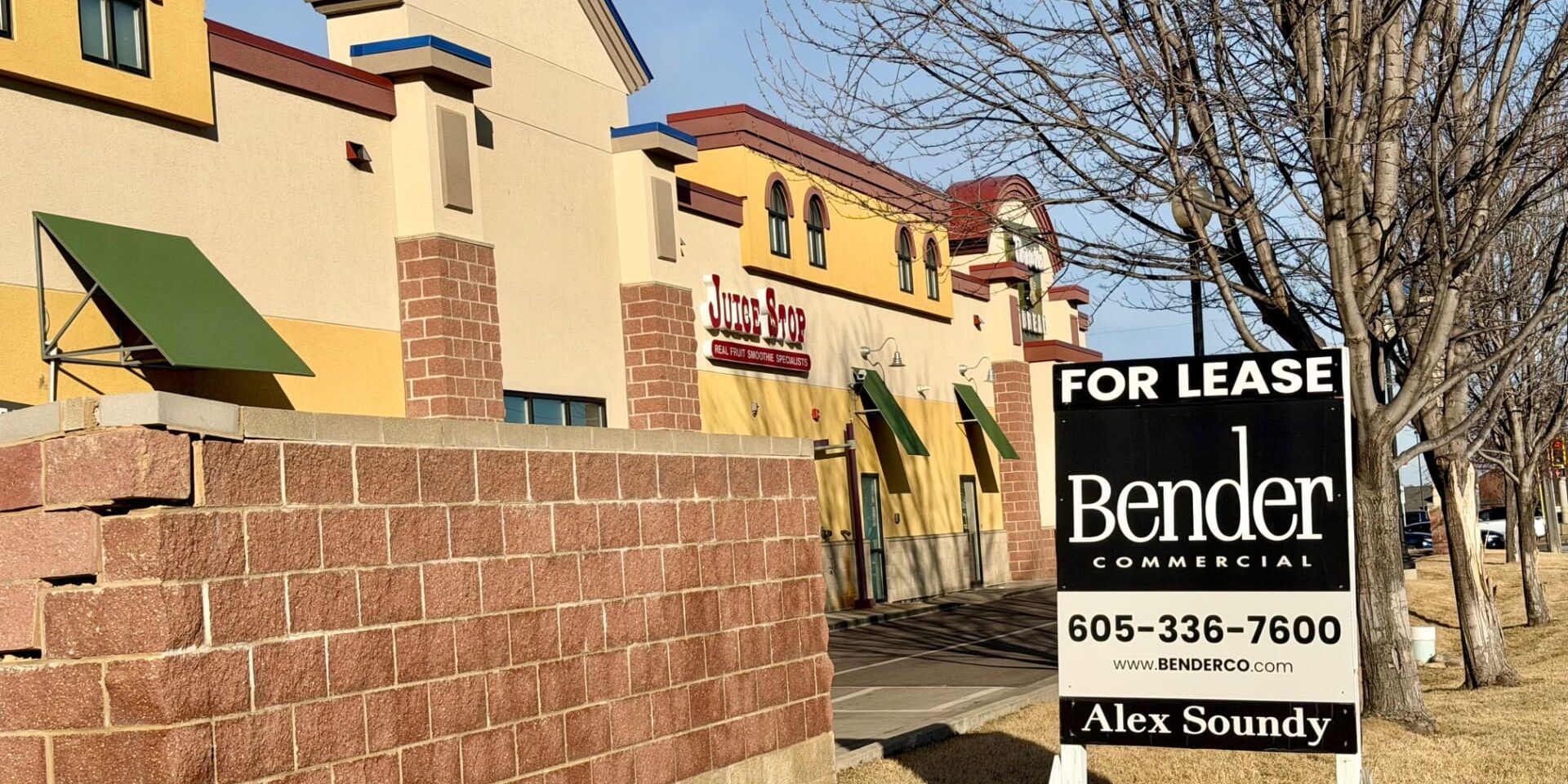
Sioux Falls enters 2026 with a commercial real estate market outperforming nearly every regional competitor. Fueled by strong fundamentals, major private investment, and confidence across all sectors, the city is positioned for what experts call “white‑hot economic activity.” From booming land sales and rising retail absorption to stabilizing office and industrial sectors, the metro’s momentum is undeniable—making it a prime environment for real estate professionals and investors looking for opportunity.
Florida lawmakers have advanced HB 767, a major insurance transparency bill that would create a statewide online rate database, boost consumer education, and prevent insurers from using land value to inflate premiums. The proposal promises clearer insurance data and stronger accountability—bringing much‑needed relief and insight to homeowners, real estate agents, mortgage professionals, and insurance producers across the state.