In an unprecedented legislative action, California is poised to become the first state in the United States to mandate speed assistance technology in vehicles. This initiative, spearheaded by state senator Scott Wiener, aims to warn drivers when they exceed the speed limit by more than 10 miles per hour. The proposed legislation has stirred a mix of support and opposition, highlighting the complexities of implementing new technology in the automotive industry.
The Legislative Journey
The bill, introduced by Wiener earlier this year, initially proposed an active speed assistance model that would physically prevent vehicles from surpassing speed limits. However, following significant pushback, the bill was revised to incorporate a passive system that merely alerts drivers of their speeding. This change was made to accommodate concerns while still prioritizing safety.
The National Transportation Safety Board (NTSB) has lauded the bill, stating that the widespread use of speed assistance could reduce the frequency of speeding-related accidents, potentially saving lives. Despite the NTSB’s support, it lacks the authority to enforce such measures, leaving the decision in the hands of state and federal lawmakers.
Voices of Opposition
Critics of the bill, including the National Motorists Association and the automotive industry, argue that the technology is not yet ready for widespread deployment. Jay Beeber of the National Motorists Association expressed concerns over the potential for “false positives” and the risk of distracting drivers. The Specialty Equipment Market Association also voiced opposition, emphasizing California’s overreach and the need for federal oversight.
A significant challenge noted by opponents is the lack of consistent speed limit signage across the U.S., which is essential for the effective operation of speed assistance systems. This contrasts with Europe, where such infrastructure is more developed, allowing for reliable use of the technology.
Looking Ahead
California’s decision to push forward with this legislation, despite federal inertia, mirrors historical precedents in auto safety innovation, such as the early adoption of seat belts. The bill has passed the California legislature and now awaits Governor Gavin Newsom’s approval, a decision that could set a new standard in vehicular safety and influence national policy.
For more details on this evolving story, visit the original NPR article.
More Articles
Getting licensed or staying ahead in your career can be a journey—but it doesn’t have to be overwhelming. Grab your favorite coffee or tea, take a moment to relax, and browse through our articles. Whether you’re just starting out or renewing your expertise, we’ve got tips, insights, and advice to keep you moving forward. Here’s to your success—one sip and one step at a time!
In the ever-evolving landscape of investment, dividend stocks remain a cornerstone for those seeking passive income. The allure of regular dividend payments continues to draw investors, and in 2025, exchange-traded funds (ETFs) focusing on high dividends have taken center stage.
The California housing market is currently a landscape of contrasts, showing both vigor and challenges as it moves into 2025. While affordability remains a significant hurdle, the market has seen a notable increase in both home sales and median prices.
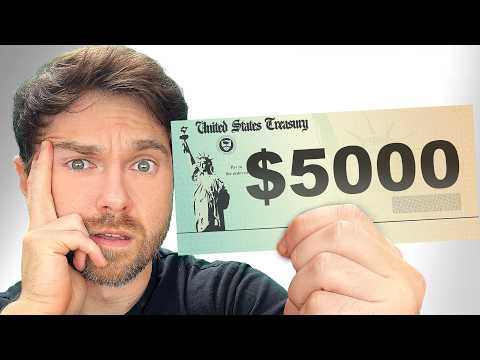
The "Doge Dividend" is actually linked to the Department of Government Efficiency (DOGE). The basic idea? Cut government waste, save billions of dollars, and then send out $5,000 refund checks to every American taxpayer.
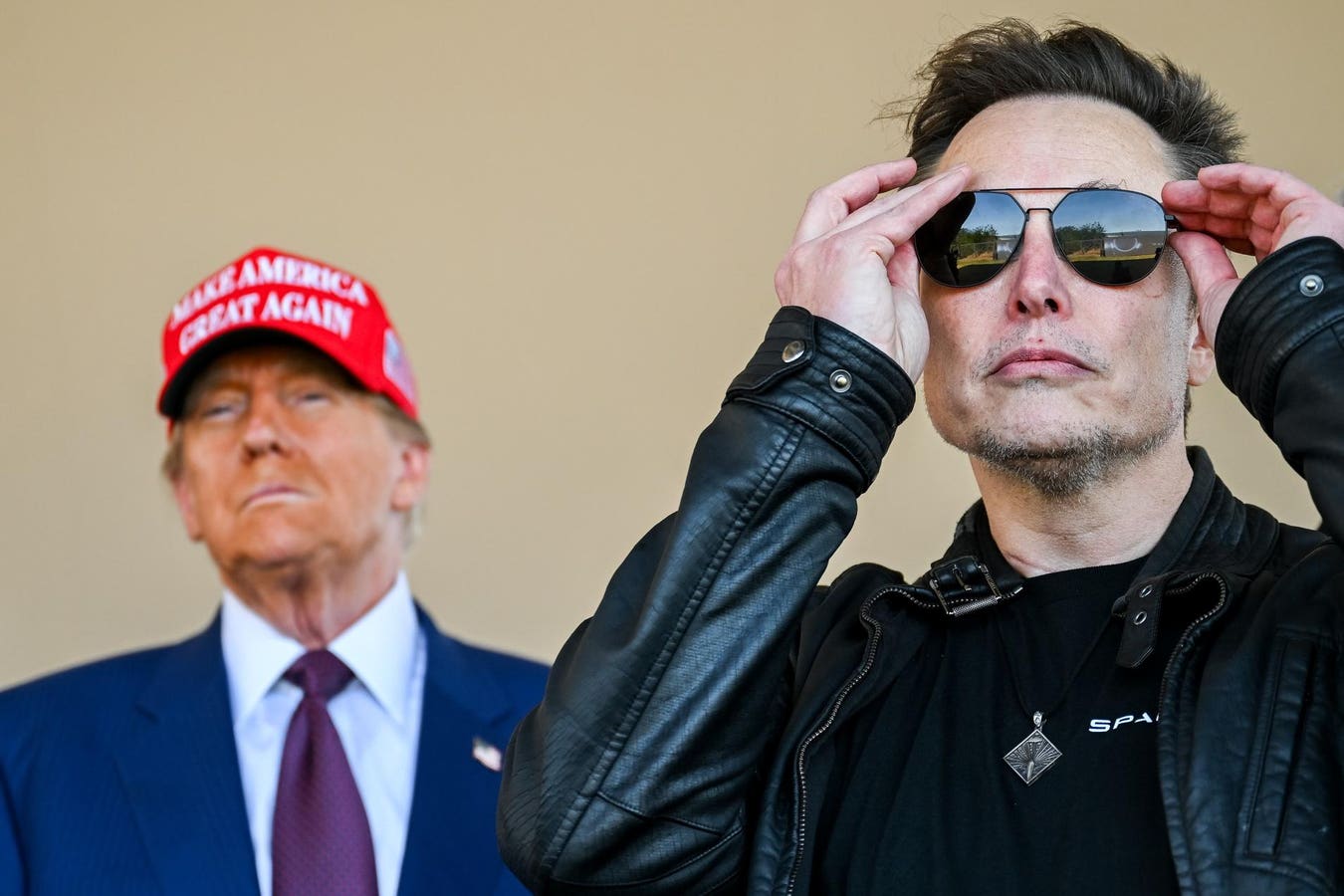
In recent months, a proposal for issuing "DOGE Dividend" checks to American citizens has sparked considerable debate. This initiative, championed by President Donald Trump and inspired by Elon Musk's Department of Government Efficiency (DOGE), aims to distribute a portion of the savings identified by DOGE directly to taxpayers. While the concept promises immediate financial relief, it raises significant concerns about its potential to exacerbate inflation, an issue already troubling the U.S. economy.
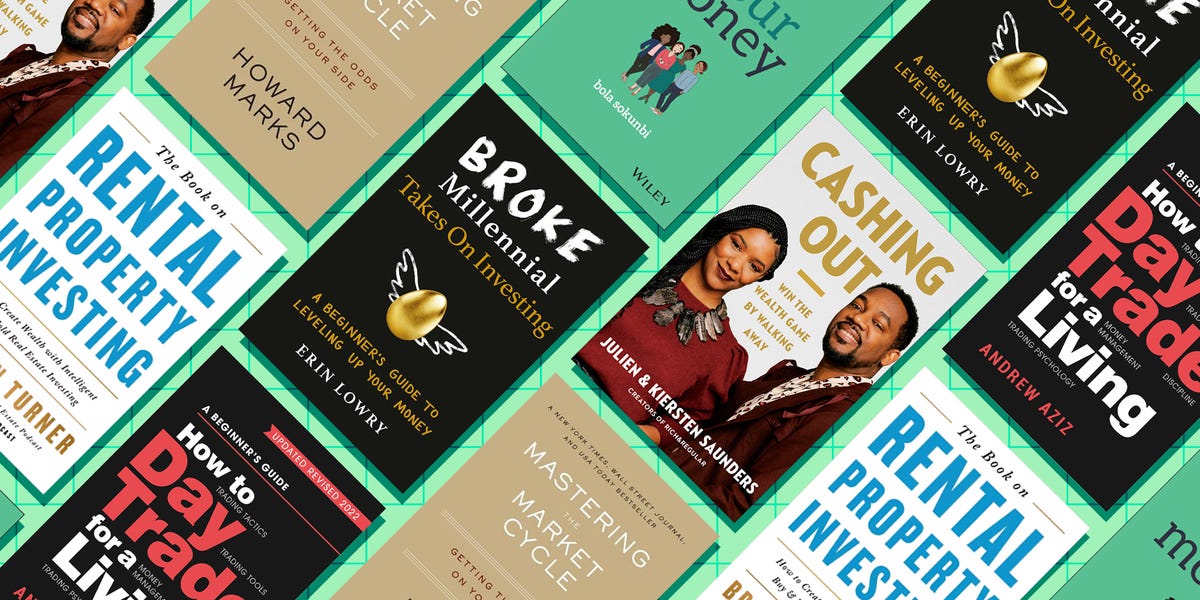
Investing remains a cornerstone for building wealth. Thankfully, Business Insider has curated a list of the best investing books of 2025 to guide both novices and seasoned investors alike.
In a remarkable development, the global commercial real estate market is projected to expand by USD 427.3 billion between 2025 and 2029. This significant growth is primarily driven by the flourishing global commercial sector, as outlined in a detailed report by Technavio.