In an unprecedented legislative action, California is poised to become the first state in the United States to mandate speed assistance technology in vehicles. This initiative, spearheaded by state senator Scott Wiener, aims to warn drivers when they exceed the speed limit by more than 10 miles per hour. The proposed legislation has stirred a mix of support and opposition, highlighting the complexities of implementing new technology in the automotive industry.
The Legislative Journey
The bill, introduced by Wiener earlier this year, initially proposed an active speed assistance model that would physically prevent vehicles from surpassing speed limits. However, following significant pushback, the bill was revised to incorporate a passive system that merely alerts drivers of their speeding. This change was made to accommodate concerns while still prioritizing safety.
The National Transportation Safety Board (NTSB) has lauded the bill, stating that the widespread use of speed assistance could reduce the frequency of speeding-related accidents, potentially saving lives. Despite the NTSB’s support, it lacks the authority to enforce such measures, leaving the decision in the hands of state and federal lawmakers.
Voices of Opposition
Critics of the bill, including the National Motorists Association and the automotive industry, argue that the technology is not yet ready for widespread deployment. Jay Beeber of the National Motorists Association expressed concerns over the potential for “false positives” and the risk of distracting drivers. The Specialty Equipment Market Association also voiced opposition, emphasizing California’s overreach and the need for federal oversight.
A significant challenge noted by opponents is the lack of consistent speed limit signage across the U.S., which is essential for the effective operation of speed assistance systems. This contrasts with Europe, where such infrastructure is more developed, allowing for reliable use of the technology.
Looking Ahead
California’s decision to push forward with this legislation, despite federal inertia, mirrors historical precedents in auto safety innovation, such as the early adoption of seat belts. The bill has passed the California legislature and now awaits Governor Gavin Newsom’s approval, a decision that could set a new standard in vehicular safety and influence national policy.
For more details on this evolving story, visit the original NPR article.
More Articles
Getting licensed or staying ahead in your career can be a journey—but it doesn’t have to be overwhelming. Grab your favorite coffee or tea, take a moment to relax, and browse through our articles. Whether you’re just starting out or renewing your expertise, we’ve got tips, insights, and advice to keep you moving forward. Here’s to your success—one sip and one step at a time!
In the fast-evolving world of insurance, a transformative shift is underway, driven by the development of customer-centric ecosystems. As highlighted in a comprehensive study by EY, insurance ecosystems are reshaping the industry by focusing on customer engagement, trust, and operational excellence.
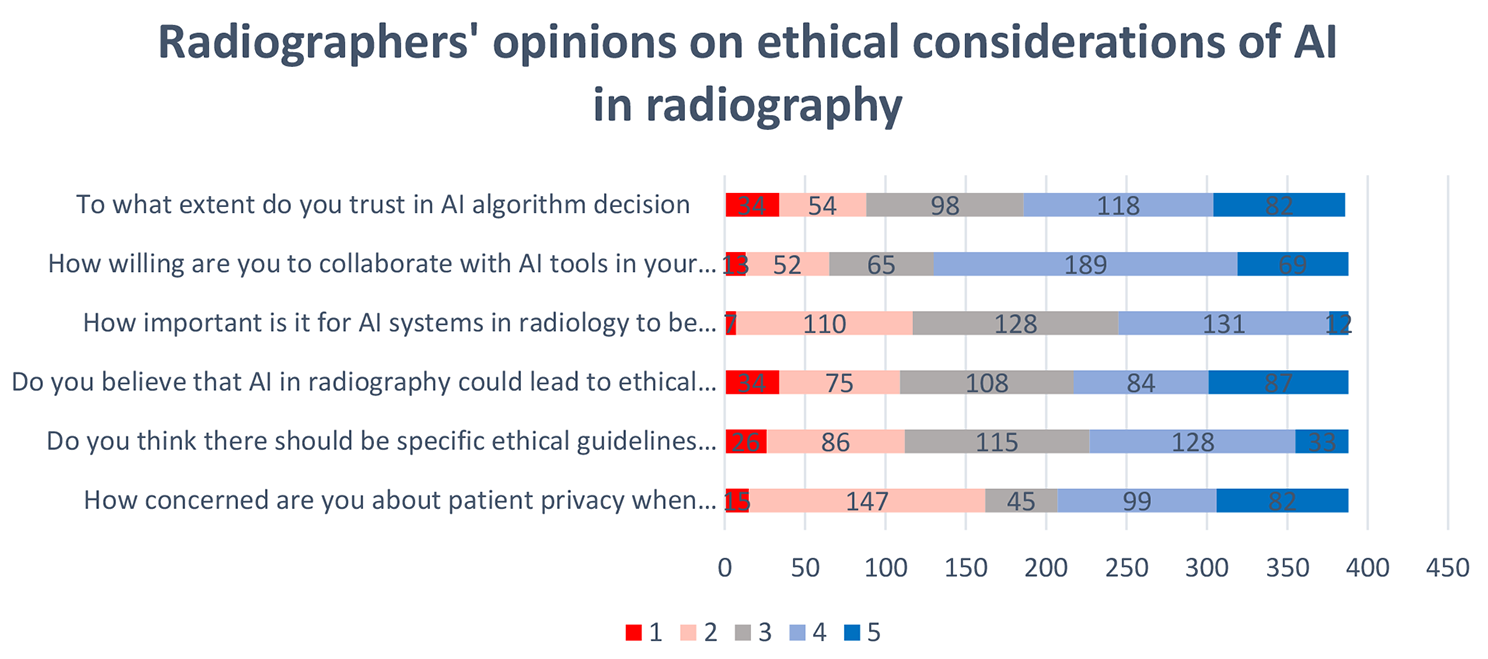
The integration of artificial intelligence in radiography brings a host of ethical challenges that demand careful consideration. A recent study highlights the diverse perspectives of radiographers, revealing significant knowledge gaps and varying trust levels in AI-driven decisions. Concerns over patient privacy and the need for dedicated ethical guidelines are pivotal as healthcare embraces AI.
AI tools are already delivering significant value and are poised to further transform healthcare. Embracing these changes today will position organizations and individuals to capture the long-term benefits of a more effective, efficient, and personalized healthcare system.
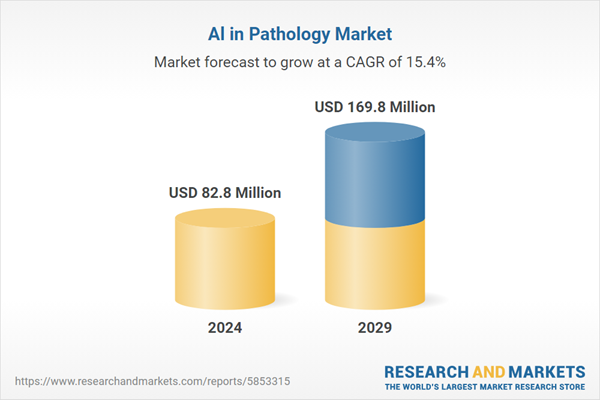
AI in pathology is revolutionizing the field by enhancing the analysis of clinical data, genomic information, and disease progression. These advancements are not only streamlining personalized treatment plans but also optimizing healthcare resource allocation.
In an era where data reigns supreme, the integration of artificial intelligence (AI) and machine learning (ML) into the realm of precision medicine is not just a possibility but a burgeoning reality.