California’s Bold Move: Speed Assistance Technology

In an unprecedented legislative action, California is poised to become the first state in the United States to mandate speed assistance technology in vehicles. This initiative, spearheaded by state senator Scott Wiener, aims to warn drivers when they exceed the speed limit by more than 10 miles per hour. The proposed legislation has stirred a mix of support and opposition, highlighting the complexities of implementing new technology in the automotive industry.
Los angeles rush hour traffic

The Legislative Journey

The bill, introduced by Wiener earlier this year, initially proposed an active speed assistance model that would physically prevent vehicles from surpassing speed limits. However, following significant pushback, the bill was revised to incorporate a passive system that merely alerts drivers of their speeding. This change was made to accommodate concerns while still prioritizing safety.
The National Transportation Safety Board (NTSB) has lauded the bill, stating that the widespread use of speed assistance could reduce the frequency of speeding-related accidents, potentially saving lives. Despite the NTSB’s support, it lacks the authority to enforce such measures, leaving the decision in the hands of state and federal lawmakers.

Voices of Opposition

Critics of the bill, including the National Motorists Association and the automotive industry, argue that the technology is not yet ready for widespread deployment. Jay Beeber of the National Motorists Association expressed concerns over the potential for “false positives” and the risk of distracting drivers. The Specialty Equipment Market Association also voiced opposition, emphasizing California’s overreach and the need for federal oversight.
A significant challenge noted by opponents is the lack of consistent speed limit signage across the U.S., which is essential for the effective operation of speed assistance systems. This contrasts with Europe, where such infrastructure is more developed, allowing for reliable use of the technology.

Looking Ahead

California’s decision to push forward with this legislation, despite federal inertia, mirrors historical precedents in auto safety innovation, such as the early adoption of seat belts. The bill has passed the California legislature and now awaits Governor Gavin Newsom’s approval, a decision that could set a new standard in vehicular safety and influence national policy.
For more details on this evolving story, visit the original NPR article.

More Articles

Getting licensed or staying ahead in your career can be a journey—but it doesn’t have to be overwhelming. Grab your favorite coffee or tea, take a moment to relax, and browse through our articles. Whether you’re just starting out or renewing your expertise, we’ve got tips, insights, and advice to keep you moving forward. Here’s to your success—one sip and one step at a time!

Revolutionizing Radiology: AI’s Impact on Diagnostics

AI-powered tools are enhancing the speed and accuracy of diagnoses, significantly benefiting patient outcomes, especially in resource-constrained environments.

By |November 26, 2024|Categories: Article, Artificial Intelligence, Healthcare|Tags: |0 Comments

Exploring the Shifting Landscape of Real Estate in 2024

The real estate market is undergoing significant transformations as we step into 2024, with several trends reshaping the industry. This analysis delves into the top nine trends that are expected to impact the real estate sector this year.

By |November 26, 2024|Categories: Article, Market Trends, Real Estate|Tags: , |0 Comments

AI Revolutionizing Clinical and Molecular Diagnostics

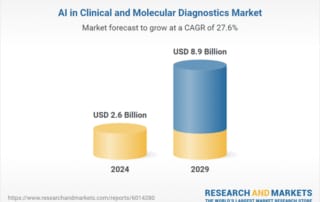
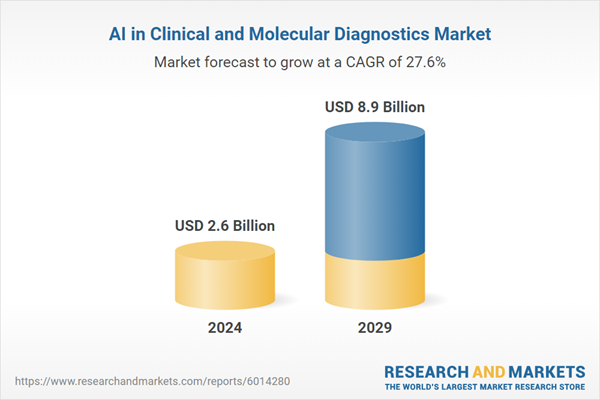
In a groundbreaking development, the market for AI in clinical and molecular diagnostics is set to experience a phenomenal growth trajectory, projected to skyrocket from USD 2.6 billion in 2024 to USD 8.9 billion by 2029 with a robust CAGR of 27.6%.

2025 Banking and Capital Markets Outlook: Navigating Low-Growth Challenges

The overarching goal for banks will be to adapt adeptly to macroeconomic shifts and regulatory implementations such as the Basel III Endgame re-proposal, which calls for strategic recalibration to ensure compliance without sacrificing growth.

CRISPR Technology Market Poised for Remarkable Growth to USD 12,461 Million by 2031

The CRISPR technology market, valued at USD 3,642.1 million in 2024, is anticipated to soar to USD 12,461 million by 2031, marking a robust CAGR of 19.2%.

By |November 25, 2024|Categories: Article, Biotechnology, Healthcare|Tags: , |0 Comments

Mortgage Rates Rise: A Window for Buyers Amid a Cloudy Future

Mortgage rates are climbing, with the 30-year fixed mortgage rate now at 6.64% and the 15-year fixed rate at 5.98%. This increase suggests a challenging landscape for potential refinancing, but a possible opportunity for homebuyers as competition wanes during the holiday season.

By |November 24, 2024|Categories: Article, Finance, Real Estate|Tags: , |0 Comments