In an unprecedented legislative action, California is poised to become the first state in the United States to mandate speed assistance technology in vehicles. This initiative, spearheaded by state senator Scott Wiener, aims to warn drivers when they exceed the speed limit by more than 10 miles per hour. The proposed legislation has stirred a mix of support and opposition, highlighting the complexities of implementing new technology in the automotive industry.
The Legislative Journey
The bill, introduced by Wiener earlier this year, initially proposed an active speed assistance model that would physically prevent vehicles from surpassing speed limits. However, following significant pushback, the bill was revised to incorporate a passive system that merely alerts drivers of their speeding. This change was made to accommodate concerns while still prioritizing safety.
The National Transportation Safety Board (NTSB) has lauded the bill, stating that the widespread use of speed assistance could reduce the frequency of speeding-related accidents, potentially saving lives. Despite the NTSB’s support, it lacks the authority to enforce such measures, leaving the decision in the hands of state and federal lawmakers.
Voices of Opposition
Critics of the bill, including the National Motorists Association and the automotive industry, argue that the technology is not yet ready for widespread deployment. Jay Beeber of the National Motorists Association expressed concerns over the potential for “false positives” and the risk of distracting drivers. The Specialty Equipment Market Association also voiced opposition, emphasizing California’s overreach and the need for federal oversight.
A significant challenge noted by opponents is the lack of consistent speed limit signage across the U.S., which is essential for the effective operation of speed assistance systems. This contrasts with Europe, where such infrastructure is more developed, allowing for reliable use of the technology.
Looking Ahead
California’s decision to push forward with this legislation, despite federal inertia, mirrors historical precedents in auto safety innovation, such as the early adoption of seat belts. The bill has passed the California legislature and now awaits Governor Gavin Newsom’s approval, a decision that could set a new standard in vehicular safety and influence national policy.
For more details on this evolving story, visit the original NPR article.
More Articles
Getting licensed or staying ahead in your career can be a journey—but it doesn’t have to be overwhelming. Grab your favorite coffee or tea, take a moment to relax, and browse through our articles. Whether you’re just starting out or renewing your expertise, we’ve got tips, insights, and advice to keep you moving forward. Here’s to your success—one sip and one step at a time!
Investors worldwide are redeploying capital, embracing more active deal structures, and expanding into new regions as the 2026 market takes shape. Data centers, revived office demand, and global diversification are driving a major shift—creating fresh opportunities for real estate, mortgage, and finance professionals who understand where capital is heading next.
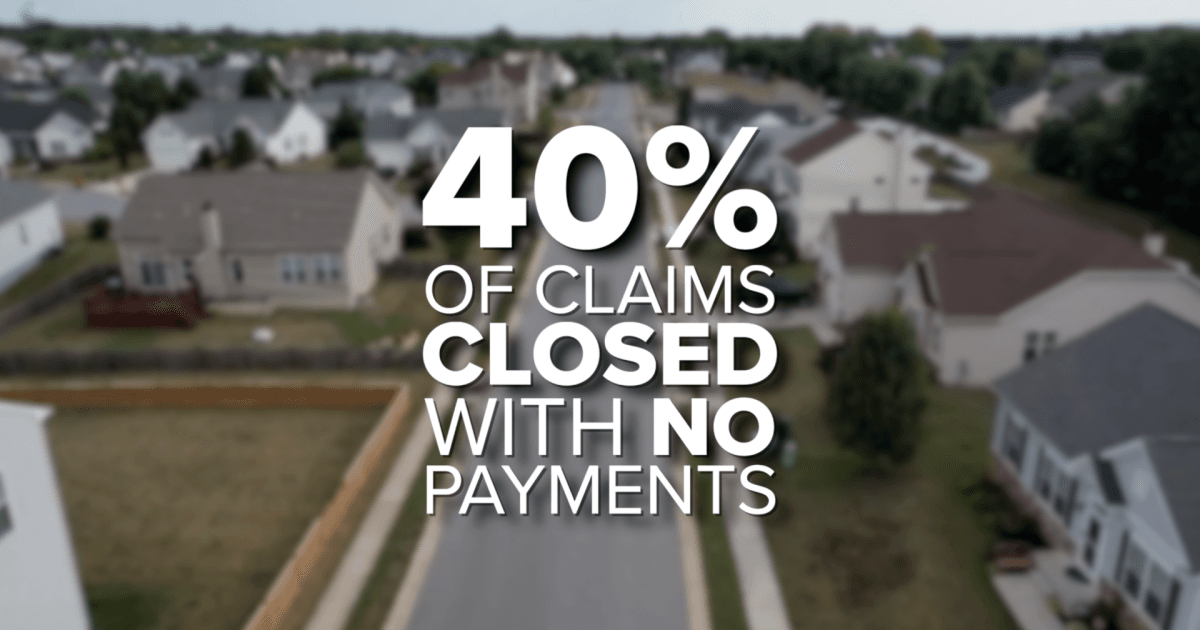
Florida homeowners now pay an average of $5,838 per year for insurance—about $3,000 more than the national average—pushing many families to the financial brink. Residents report premiums tripling, claims being severely underpaid, and insurers dropping policies at one of the highest rates in the country. As frustration mounts, lawmakers and industry experts are calling for sweeping reforms to curb rising costs, increase accountability, and stabilize a market that’s reshaping real estate decisions across the state.
Florida’s insurance market has hit a major turning point. Citizens Property Insurance—once the state’s largest insurer with 1.4 million policies—has shed more than 900,000 policies as private insurers return in force. Driven by Florida’s depopulation program and the arrival of 17 new companies, nearly 200,000 policies shifted to private carriers in October alone, with about 40 percent offering lower premiums. The shift signals rising competition, stabilizing rates, and new opportunities for homeowners and industry professionals navigating Florida’s evolving insurance landscape.
The National Association of REALTORS® has approved 18 major updates to modernize its MLS policies—the largest overhaul in two decades. Announced at NAR NXT in Houston and set to take effect in January 2026, the changes aim to streamline MLS operations, improve enforcement clarity, and better align policies with how today’s real estate professionals actually work.
Inhabit has rolled out a powerful lineup of AI-driven leasing, marketing, fraud prevention, and compliance tools designed to streamline operations and protect property teams from growing risks. From hybrid AI leasing assistants to instant income verification and upcoming portfolio-wide lease audits, these innovations aim to cut costs, eliminate inefficiencies, and strengthen regulatory confidence across the multifamily industry.
Florida’s latest round of insurance reforms was meant to calm a volatile market, yet many experts warn the same deep structural problems remain. Homeowners are being pushed from Citizens into higher‑priced, lightly capitalized private insurers, ratings agencies face scrutiny for inflated grades, and political influence clouds oversight. For real estate and insurance professionals, these trends signal ongoing risk, rising costs, and a market in need of a complete rebuild.