“`html

California’s Commercial Leasing Landscape Set for a Transformation

In a significant legislative shift, California is poised to introduce new protections for commercial tenants starting January 1, 2025. The Commercial Tenant Protection Act, enacted as SB 1103, extends a suite of protections to “Qualified Commercial Tenants” (QCTs) that were traditionally reserved for residential tenants.

Under this new law, QCTs are defined as small enterprises including sole proprietorships, partnerships, limited liability companies, or corporations with five or fewer employees, as well as restaurants with fewer than 10 employees and nonprofits with fewer than 20 employees. These entities often struggle with access to capital, making the protections especially critical.

The legislation mandates several key changes:

  • Notice for Rent Increases: Property owners must provide QCTs with at least 30 days’ notice for rent hikes up to 10% over the past year, and a 90-day notice for increases exceeding 10%.
  • Automatic Renewal of Tenancies: Month-to-month tenancies will automatically renew unless a termination notice is given 60 days in advance for tenancies longer than a year, or 30 days for shorter durations.
  • Language Translation: Lease agreements negotiated in languages such as Spanish, Chinese, Tagalog, Vietnamese, or Korean must be translated and provided to the tenant.
  • Building Operating Costs: These must be proportionately allocated among tenants, with detailed documentation provided. Violations may allow tenants to claim damages.

This move, as reported by Holland & Knight, signals a broader trend towards legislative efforts to protect small business operators in commercial settings. For those interested in the full details of how these changes will impact commercial property management, consulting with legal experts from Holland & Knight’s West Coast Real Estate Practice Group is advised.

“`

More Articles

Getting licensed or staying ahead in your career can be a journey—but it doesn’t have to be overwhelming. Grab your favorite coffee or tea, take a moment to relax, and browse through our articles. Whether you’re just starting out or renewing your expertise, we’ve got tips, insights, and advice to keep you moving forward. Here’s to your success—one sip and one step at a time!

Earnings and Benefits of a Real Estate Career in Florida

In Florida, the earnings of a real estate agent can vary significantly based on numerous factors including experience, location, and the current state of the housing market. The potential earnings are quite broad, with average salaries ranging from $40,000 to $90,000 per year. However, top-performing agents in high-demand areas can earn well above this range, sometimes exceeding $100,000 annually.

By |October 11, 2024|Categories: Article, Career/Earnings, Real Estate|Tags: |0 Comments

What to Know Before Screening a Section 8 Tenant

Screening prospective tenants who utilize Section 8 vouchers in Florida requires a thorough understanding of both federal and local laws to ensure compliance and avoid potential legal issues.

By |October 11, 2024|Categories: Article, Legal Compliance, Real Estate|Tags: , |0 Comments

Cape Coral Grapples with Rising Housing Costs Post-Hurricane Ian

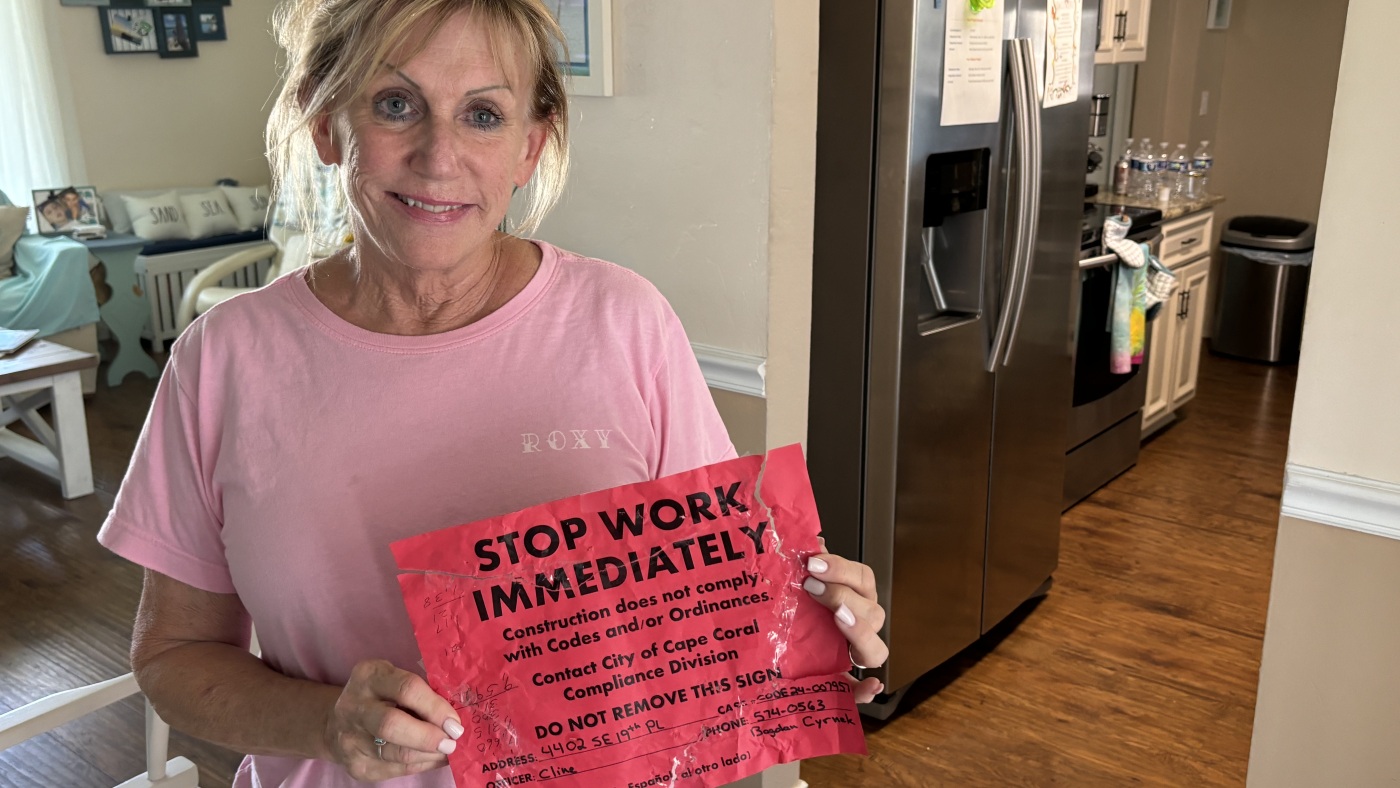
A study by First Street reveals Cape Coral has more properties at risk of flooding than any other city in Florida. Following Hurricane Ian, FEMA withdrew the city's flood insurance discount, blaming improper rebuilding practices.

By |October 11, 2024|Categories: Article, Natural Disasters, Real Estate|Tags: , |0 Comments

US Home Prices Set to Rise Amidst Rate Cuts

Goldman Sachs Research has projected a notable increase in US home prices, forecasting a 4.5% rise this year and a 4.4% increase in 2025, as the Federal Reserve is expected to implement interest rate cuts.

By |October 11, 2024|Categories: Article, Economics, Real Estate|Tags: , |0 Comments

Unmasking Myths: Screening Section 8 Tenants

In the realm of real estate, myths and misconceptions about Section 8 tenants often cloud the judgment of landlords. These stereotypes suggest that Section 8 tenants might damage property or fail to pay rent. However, these risks are inherent in renting to any tenant, not just those participating in the Section 8 program. The key to mitigating these risks lies in a robust and consistent screening process.

By |October 11, 2024|Categories: Article, Real Estate, Tenant Screening|Tags: |0 Comments