California’s housing crisis is an ongoing challenge, but recent innovations and collaborative efforts offer a glimmer of hope. The Chan Zuckerberg Initiative outlines seven transformative approaches to rebuilding the state’s housing system, emphasizing affordability and community inclusion.
1. Project Roomkey: A Temporary Solution with Lasting Impact
Launched in March 2020, Project Roomkey successfully moved 62,000 unhoused Californians into hotel rooms. This initiative, funded by federal COVID relief dollars, significantly reduced COVID-19 deaths among the homeless. As of January 2024, 22% of participants transitioned to permanent housing. The project’s success led to the launch of Homekey, with California allocating $300 million to continue the program.
2. Industrialized Construction: A New Era of Building
Rising construction costs have exacerbated California’s housing crisis. According to the California Construction Cost Index, costs increased by 36.5% between January 2021 and January 2024. Industrialized methods like modular construction and 3D printing promise lower costs and faster build times, potentially revolutionizing affordable housing development.
3. Alternative Home Ownership Models
Traditional homeownership models have failed many, particularly communities of color. Alternatives such as community land trusts and Tenancy in Commons offer more inclusive paths to ownership. These models challenge conventional norms by creating permanently affordable housing and shared wealth-building opportunities.
4. Cross-Sector Housing Solutions
The Partnership for the Bay’s Future exemplifies cross-sector collaboration, leveraging diverse perspectives to tackle housing challenges. Over five years, this initiative has protected more than 73,000 tenants and financed over 4,400 homes for 11,000 people, demonstrating the power of collective impact.
5. Learning from COVID-19 Housing Solutions
The pandemic prompted unprecedented housing solutions, including cash aid to prevent evictions. California’s $5.2 billion rental relief program supported over 370,000 households, showcasing the effectiveness of swift, targeted interventions.
6. Transforming Surplus Lands into Homes
California’s new legislation prioritizes building on government-owned land, unlocking thousands of acres for affordable housing. Faith communities also hold over 38,000 acres of unused land, offering immense potential for development.
7. Preserving Existing Affordable Housing
Naturally occurring affordable housing is at risk from private equity buyouts. Initiatives like the Los Angeles Local Rental Owners Collaborative support local landlords, preserving affordable units and preventing displacement.
These innovative solutions demonstrate that California’s housing crisis is not insurmountable. With continued commitment and creativity, the state can provide affordable housing for all its residents.
More Articles
Getting licensed or staying ahead in your career can be a journey—but it doesn’t have to be overwhelming. Grab your favorite coffee or tea, take a moment to relax, and browse through our articles. Whether you’re just starting out or renewing your expertise, we’ve got tips, insights, and advice to keep you moving forward. Here’s to your success—one sip and one step at a time!
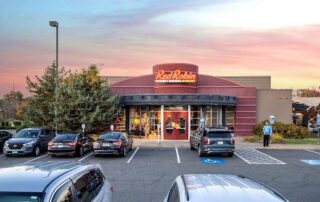
Newman Properties, a Massachusetts-based investment firm, has expanded its footprint into Connecticut with the $3.65 million acquisition of a 6,350‑square‑foot retail building in Enfield. Anchored by national restaurant chain Red Robin, the property offers the type of stable tenancy investors seek when entering new markets. The deal underscores growing confidence in anchored retail assets and provides a valuable real-world example for real estate professionals studying market analysis, investment strategy, and portfolio expansion.
JPMorgan now expects national home prices to flatten in 2026, but the Sunbelt is telling a very different story. Florida home values are down 5.1%, Texas is down 2.4%, and analysts warn that years of rapid building are finally catching up to the region. As demand stabilizes and inventory swells, real estate professionals — especially in Florida — face a market full of challenges, opportunities, and critical timing decisions.
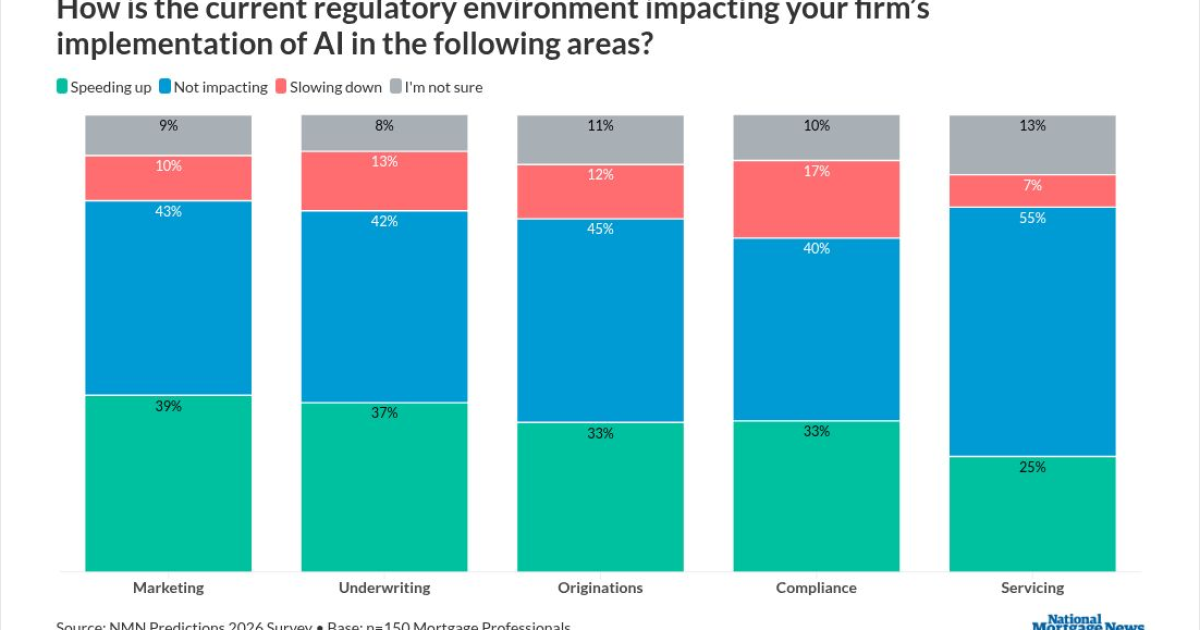
Artificial intelligence is finally stepping into the mortgage underwriting spotlight, with 57% of mortgage professionals predicting it will drive the most transformative industry shift in 2026. Thanks to major advancements in language models and workflow automation, AI is now capable of navigating the messy, document-heavy realities that have long slowed underwriting. From faster preapprovals to improved credit analysis and real‑time income verification, AI is streamlining processes while allowing underwriters to focus on true risk management. As regulatory winds shift and grassroots pressure builds within lending teams, the industry is entering a pivotal era where AI‑powered underwriting becomes not just an advantage — but an expectation.
Portland’s top 20 office towers have lost an unprecedented 70% of their value since 2019—plunging from $3 billion to under $1 billion—triggering tax revenue shortfalls, budget crises, and a surge in appeals as the city grapples with its biggest commercial real estate reset in modern history.
South Florida’s luxury real estate market just raised the bar again — this time with a $1 million virtual reality system that lets buyers walk through Dolce & Gabbana’s upcoming Miami tower long before construction wraps. Real estate master’s students were given an immersive look inside the project, discovering how VR is transforming high‑end development, influencing buyer psychology, and shaping the future skills today’s professionals need.
Long Island’s commercial real estate scene is kicking off 2026 with a surge of activity—industrial leases in Medford, neighborhood retail trades in Bohemia, Pizza Hut’s new DELCO expansion in Centereach, mixed‑use acquisitions in Melville, and major investor interest in bank‑leased and franchise-backed properties. From warehouses to restaurant rebrands, these deals highlight a region evolving fast and offering fresh opportunities for agents, investors, and professionals looking to stay ahead in the market.