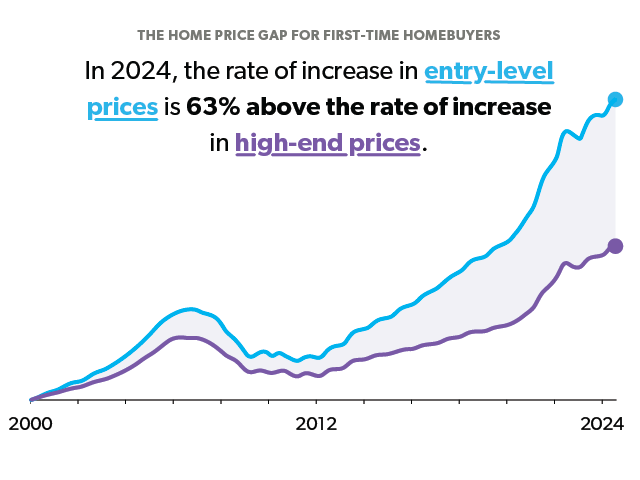
California’s housing crisis is an ongoing challenge, but recent innovations and collaborative efforts offer a glimmer of hope. The Chan Zuckerberg Initiative outlines seven transformative approaches to rebuilding the state’s housing system, emphasizing affordability and community inclusion.
1. Project Roomkey: A Temporary Solution with Lasting Impact
Launched in March 2020, Project Roomkey successfully moved 62,000 unhoused Californians into hotel rooms. This initiative, funded by federal COVID relief dollars, significantly reduced COVID-19 deaths among the homeless. As of January 2024, 22% of participants transitioned to permanent housing. The project’s success led to the launch of Homekey, with California allocating $300 million to continue the program.
2. Industrialized Construction: A New Era of Building
Rising construction costs have exacerbated California’s housing crisis. According to the California Construction Cost Index, costs increased by 36.5% between January 2021 and January 2024. Industrialized methods like modular construction and 3D printing promise lower costs and faster build times, potentially revolutionizing affordable housing development.
3. Alternative Home Ownership Models
Traditional homeownership models have failed many, particularly communities of color. Alternatives such as community land trusts and Tenancy in Commons offer more inclusive paths to ownership. These models challenge conventional norms by creating permanently affordable housing and shared wealth-building opportunities.
4. Cross-Sector Housing Solutions
The Partnership for the Bay’s Future exemplifies cross-sector collaboration, leveraging diverse perspectives to tackle housing challenges. Over five years, this initiative has protected more than 73,000 tenants and financed over 4,400 homes for 11,000 people, demonstrating the power of collective impact.
5. Learning from COVID-19 Housing Solutions
The pandemic prompted unprecedented housing solutions, including cash aid to prevent evictions. California’s $5.2 billion rental relief program supported over 370,000 households, showcasing the effectiveness of swift, targeted interventions.
6. Transforming Surplus Lands into Homes
California’s new legislation prioritizes building on government-owned land, unlocking thousands of acres for affordable housing. Faith communities also hold over 38,000 acres of unused land, offering immense potential for development.
7. Preserving Existing Affordable Housing
Naturally occurring affordable housing is at risk from private equity buyouts. Initiatives like the Los Angeles Local Rental Owners Collaborative support local landlords, preserving affordable units and preventing displacement.
These innovative solutions demonstrate that California’s housing crisis is not insurmountable. With continued commitment and creativity, the state can provide affordable housing for all its residents.
More Articles
Getting licensed or staying ahead in your career can be a journey—but it doesn’t have to be overwhelming. Grab your favorite coffee or tea, take a moment to relax, and browse through our articles. Whether you’re just starting out or renewing your expertise, we’ve got tips, insights, and advice to keep you moving forward. Here’s to your success—one sip and one step at a time!
The Association of American Medical Colleges (AAMC) reports that while breast cancer mortality has decreased, Black women still face a 40% higher death rate compared to their White counterparts. This inequity is partly due to the fact that Black women are less frequently offered genetic screenings that could potentially save their lives.
In the rapidly evolving landscape of healthcare, two fields stand at the forefront of innovation: MedTech and BioTech. While both are pivotal in enhancing patient care, they operate in distinct domains.
The nanomedicine market is set to experience a remarkable expansion, projected to surge from USD 223.6 billion in 2023 to a staggering USD 634.2 billion by 2032.
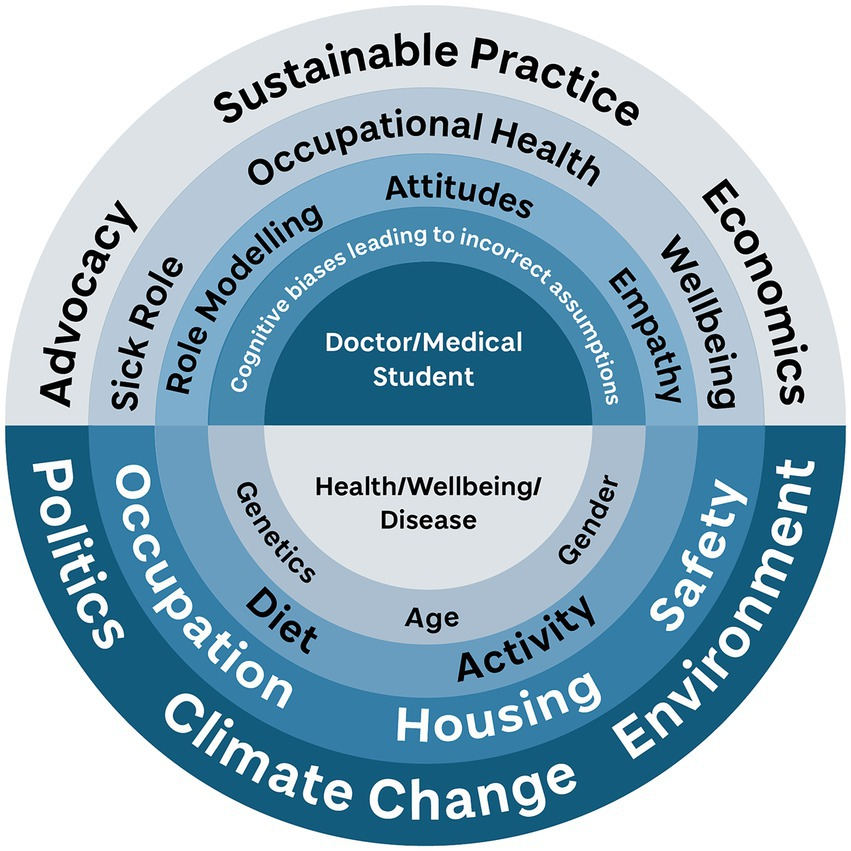
In a world where healthcare and its education are undergoing seismic shifts, the University of Dundee is pioneering a transformative approach. The institution is integrating public health into its medical curriculum, responding to the rapid technological, political, and social changes reshaping the medical landscape.