California’s housing crisis is an ongoing challenge, but recent innovations and collaborative efforts offer a glimmer of hope. The Chan Zuckerberg Initiative outlines seven transformative approaches to rebuilding the state’s housing system, emphasizing affordability and community inclusion.
1. Project Roomkey: A Temporary Solution with Lasting Impact
Launched in March 2020, Project Roomkey successfully moved 62,000 unhoused Californians into hotel rooms. This initiative, funded by federal COVID relief dollars, significantly reduced COVID-19 deaths among the homeless. As of January 2024, 22% of participants transitioned to permanent housing. The project’s success led to the launch of Homekey, with California allocating $300 million to continue the program.
2. Industrialized Construction: A New Era of Building
Rising construction costs have exacerbated California’s housing crisis. According to the California Construction Cost Index, costs increased by 36.5% between January 2021 and January 2024. Industrialized methods like modular construction and 3D printing promise lower costs and faster build times, potentially revolutionizing affordable housing development.
3. Alternative Home Ownership Models
Traditional homeownership models have failed many, particularly communities of color. Alternatives such as community land trusts and Tenancy in Commons offer more inclusive paths to ownership. These models challenge conventional norms by creating permanently affordable housing and shared wealth-building opportunities.
4. Cross-Sector Housing Solutions
The Partnership for the Bay’s Future exemplifies cross-sector collaboration, leveraging diverse perspectives to tackle housing challenges. Over five years, this initiative has protected more than 73,000 tenants and financed over 4,400 homes for 11,000 people, demonstrating the power of collective impact.
5. Learning from COVID-19 Housing Solutions
The pandemic prompted unprecedented housing solutions, including cash aid to prevent evictions. California’s $5.2 billion rental relief program supported over 370,000 households, showcasing the effectiveness of swift, targeted interventions.
6. Transforming Surplus Lands into Homes
California’s new legislation prioritizes building on government-owned land, unlocking thousands of acres for affordable housing. Faith communities also hold over 38,000 acres of unused land, offering immense potential for development.
7. Preserving Existing Affordable Housing
Naturally occurring affordable housing is at risk from private equity buyouts. Initiatives like the Los Angeles Local Rental Owners Collaborative support local landlords, preserving affordable units and preventing displacement.
These innovative solutions demonstrate that California’s housing crisis is not insurmountable. With continued commitment and creativity, the state can provide affordable housing for all its residents.
More Articles
Getting licensed or staying ahead in your career can be a journey—but it doesn’t have to be overwhelming. Grab your favorite coffee or tea, take a moment to relax, and browse through our articles. Whether you’re just starting out or renewing your expertise, we’ve got tips, insights, and advice to keep you moving forward. Here’s to your success—one sip and one step at a time!
In Florida, the earnings of a real estate agent can vary significantly based on numerous factors including experience, location, and the current state of the housing market. The potential earnings are quite broad, with average salaries ranging from $40,000 to $90,000 per year. However, top-performing agents in high-demand areas can earn well above this range, sometimes exceeding $100,000 annually.
Screening prospective tenants who utilize Section 8 vouchers in Florida requires a thorough understanding of both federal and local laws to ensure compliance and avoid potential legal issues.
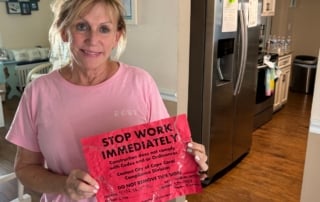
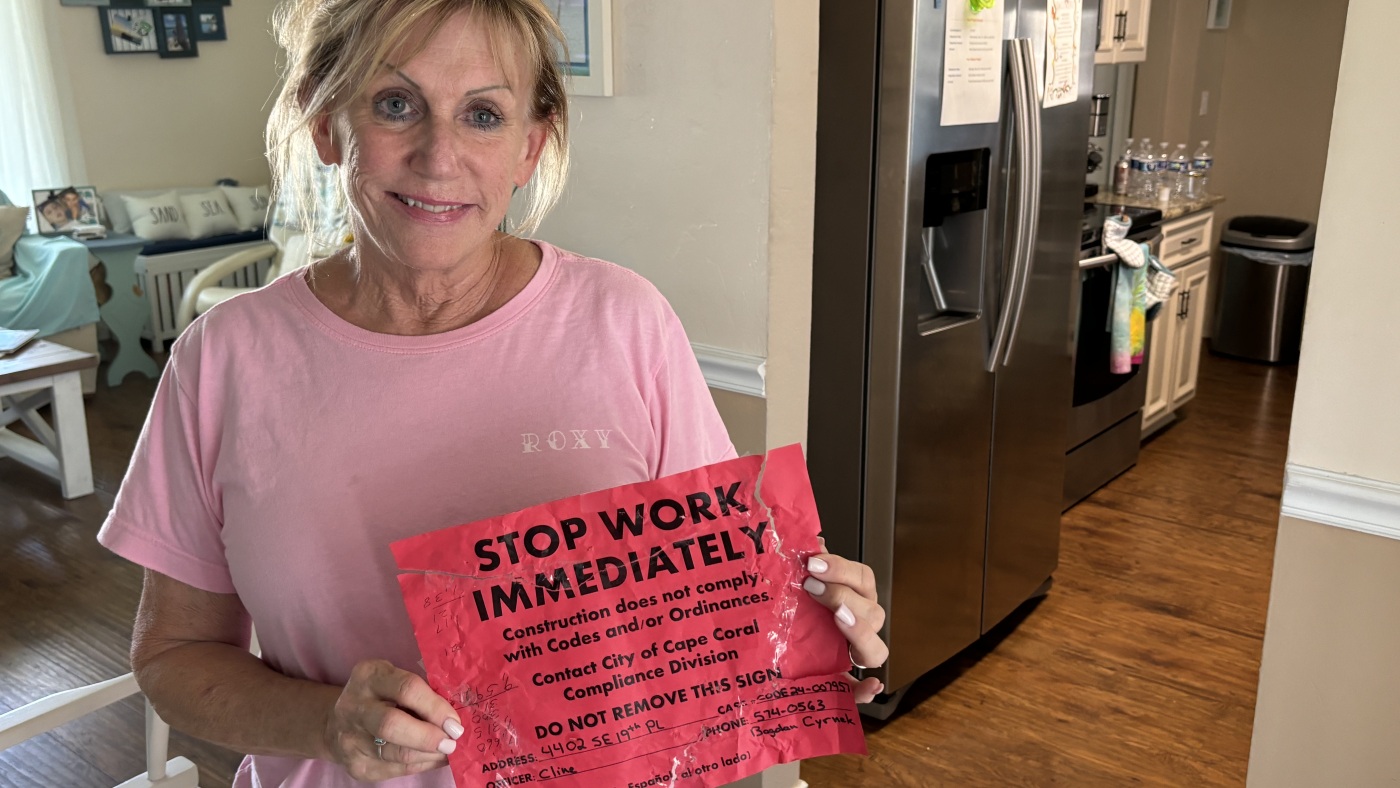
A study by First Street reveals Cape Coral has more properties at risk of flooding than any other city in Florida. Following Hurricane Ian, FEMA withdrew the city's flood insurance discount, blaming improper rebuilding practices.
Goldman Sachs Research has projected a notable increase in US home prices, forecasting a 4.5% rise this year and a 4.4% increase in 2025, as the Federal Reserve is expected to implement interest rate cuts.
In the realm of real estate, myths and misconceptions about Section 8 tenants often cloud the judgment of landlords. These stereotypes suggest that Section 8 tenants might damage property or fail to pay rent. However, these risks are inherent in renting to any tenant, not just those participating in the Section 8 program. The key to mitigating these risks lies in a robust and consistent screening process.