California’s housing crisis is an ongoing challenge, but recent innovations and collaborative efforts offer a glimmer of hope. The Chan Zuckerberg Initiative outlines seven transformative approaches to rebuilding the state’s housing system, emphasizing affordability and community inclusion.
1. Project Roomkey: A Temporary Solution with Lasting Impact
Launched in March 2020, Project Roomkey successfully moved 62,000 unhoused Californians into hotel rooms. This initiative, funded by federal COVID relief dollars, significantly reduced COVID-19 deaths among the homeless. As of January 2024, 22% of participants transitioned to permanent housing. The project’s success led to the launch of Homekey, with California allocating $300 million to continue the program.
2. Industrialized Construction: A New Era of Building
Rising construction costs have exacerbated California’s housing crisis. According to the California Construction Cost Index, costs increased by 36.5% between January 2021 and January 2024. Industrialized methods like modular construction and 3D printing promise lower costs and faster build times, potentially revolutionizing affordable housing development.
3. Alternative Home Ownership Models
Traditional homeownership models have failed many, particularly communities of color. Alternatives such as community land trusts and Tenancy in Commons offer more inclusive paths to ownership. These models challenge conventional norms by creating permanently affordable housing and shared wealth-building opportunities.
4. Cross-Sector Housing Solutions
The Partnership for the Bay’s Future exemplifies cross-sector collaboration, leveraging diverse perspectives to tackle housing challenges. Over five years, this initiative has protected more than 73,000 tenants and financed over 4,400 homes for 11,000 people, demonstrating the power of collective impact.
5. Learning from COVID-19 Housing Solutions
The pandemic prompted unprecedented housing solutions, including cash aid to prevent evictions. California’s $5.2 billion rental relief program supported over 370,000 households, showcasing the effectiveness of swift, targeted interventions.
6. Transforming Surplus Lands into Homes
California’s new legislation prioritizes building on government-owned land, unlocking thousands of acres for affordable housing. Faith communities also hold over 38,000 acres of unused land, offering immense potential for development.
7. Preserving Existing Affordable Housing
Naturally occurring affordable housing is at risk from private equity buyouts. Initiatives like the Los Angeles Local Rental Owners Collaborative support local landlords, preserving affordable units and preventing displacement.
These innovative solutions demonstrate that California’s housing crisis is not insurmountable. With continued commitment and creativity, the state can provide affordable housing for all its residents.
More Articles
Getting licensed or staying ahead in your career can be a journey—but it doesn’t have to be overwhelming. Grab your favorite coffee or tea, take a moment to relax, and browse through our articles. Whether you’re just starting out or renewing your expertise, we’ve got tips, insights, and advice to keep you moving forward. Here’s to your success—one sip and one step at a time!
The title insurance industry is entering 2026 with a renewed focus on technology, operational efficiency, and stronger agent support after years of volatility. Leaders from major underwriters report rising transaction activity, improved affordability, and a surge in automation and fraud‑prevention tools—signs that smarter systems and better training will define the next wave of growth.
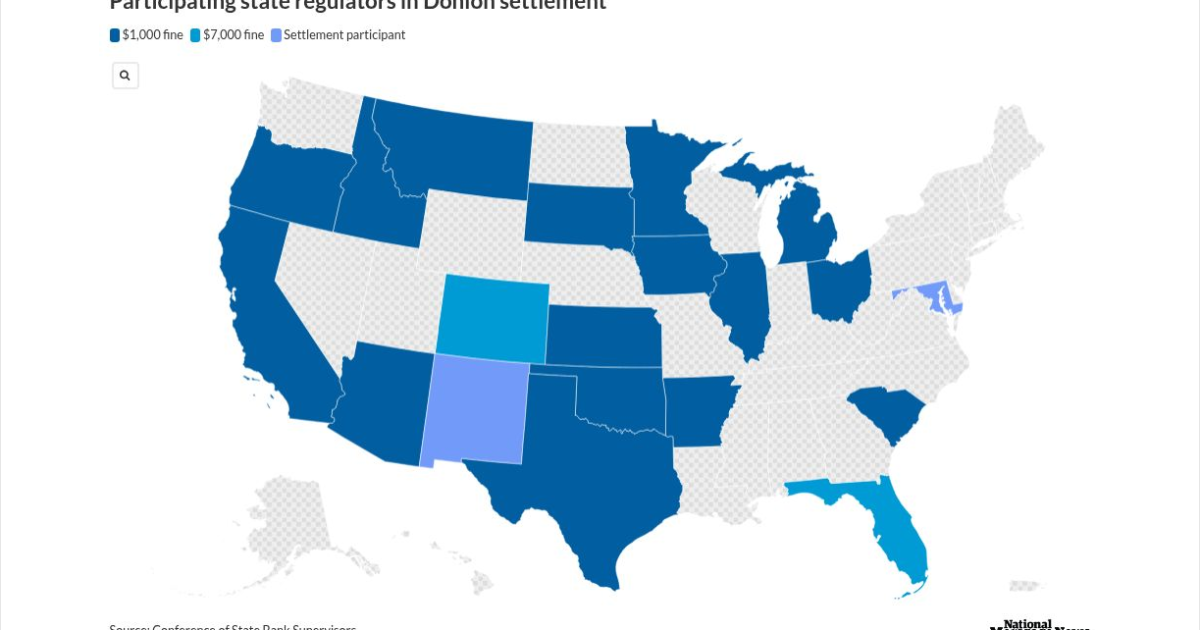
A multistate crackdown has sent shockwaves through the mortgage industry as Patrick Terrance Donlon, CEO of Trusted American Mortgage, accepted a sweeping settlement that bans him from working as a mortgage loan originator in 21 states—19 of them permanently. Regulators say Donlon had another individual complete his mandatory licensing and continuing‑education courses, a violation that triggered a coordinated investigation and a $31,000 penalty. The case underscores regulators’ growing intolerance for education fraud and serves as a sharp reminder to industry professionals: cutting corners on licensing can end careers.
Florida’s once‑booming housing market is cooling fast as rising insurance premiums, increasing foreclosures, and expanding flood zones push buyers to back out of deals and force sellers to cut prices. With insurance now adding thousands to annual housing costs, professionals across real estate, mortgage, and insurance are navigating a dramatically shifting landscape that’s redefining affordability in the Sunshine State.
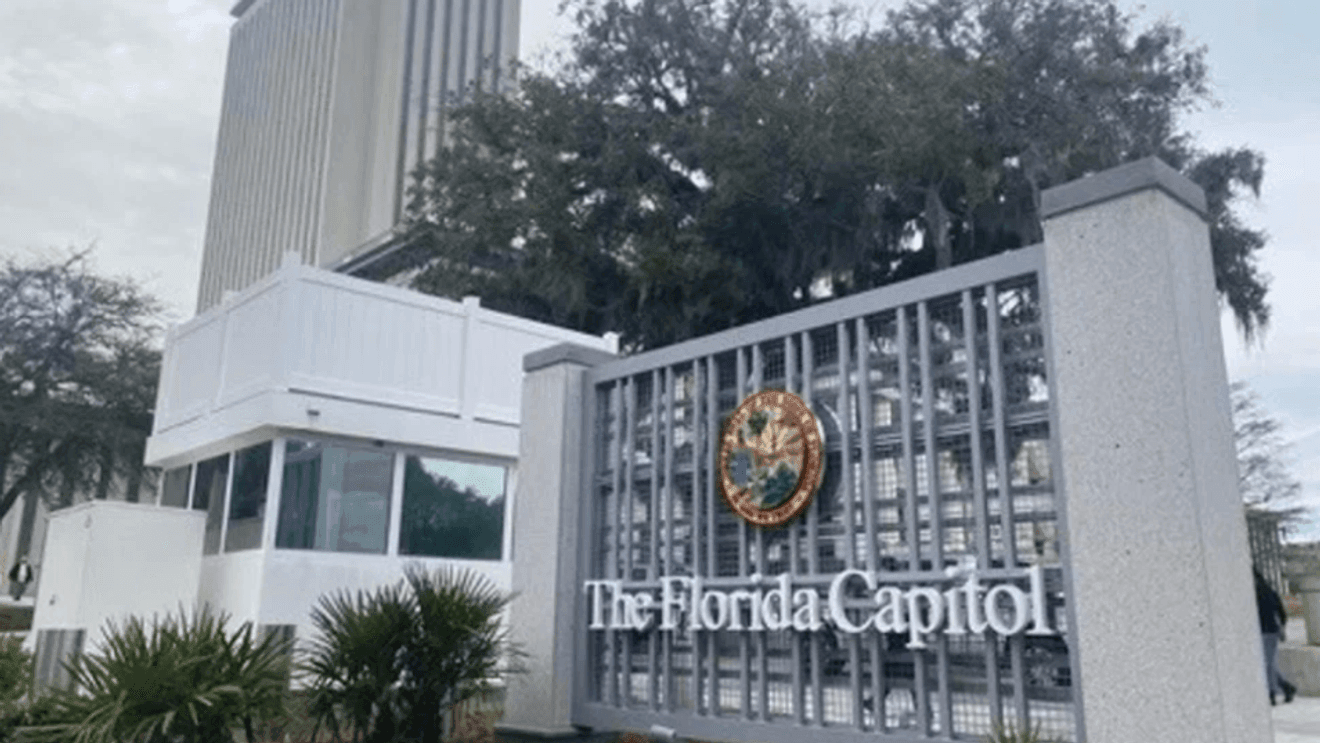
Florida begins 2026 with a wave of more than 250 new laws now in effect, impacting healthcare, insurance, real estate, and consumer protections statewide. From free breast cancer screenings for state employees to tighter pet insurance regulations, mandatory healthcare refund rules, enhanced animal‑cruelty penalties, and new condo‑management requirements, these updates carry major implications for professionals navigating Florida’s evolving regulatory landscape.
Florida’s barrier islands may offer postcard-perfect beaches and soaring real estate demand, but they’re also some of the most fragile and costly places to build in the United States. With 765,000 residents living on land that shifts, sinks, and takes the brunt of every major hurricane, the financial and insurance risks are accelerating fast. From billion‑dollar beach rebuilds to towers settling into the sand, today’s coastal development challenges are reshaping conversations around property values, disclosure, and long‑term resilience. For real estate professionals, understanding these risks isn’t just smart — it’s becoming essential.
A Cedar City development is turning heads with its fresh approach to affordability. The team behind Temple View Commons is delivering luxury‑inspired twin homes at prices below the local median by using a small, hands‑on staff and cutting traditional costs like realtor commissions. In a tight Utah housing market where inventory is scarce and prices remain high, their strategy offers a realistic path to homeownership without sacrificing high‑end finishes.







 Title Insurance Leaders Double Down on Tech and Efficiency to Drive 2026 Market Momentum Gallery