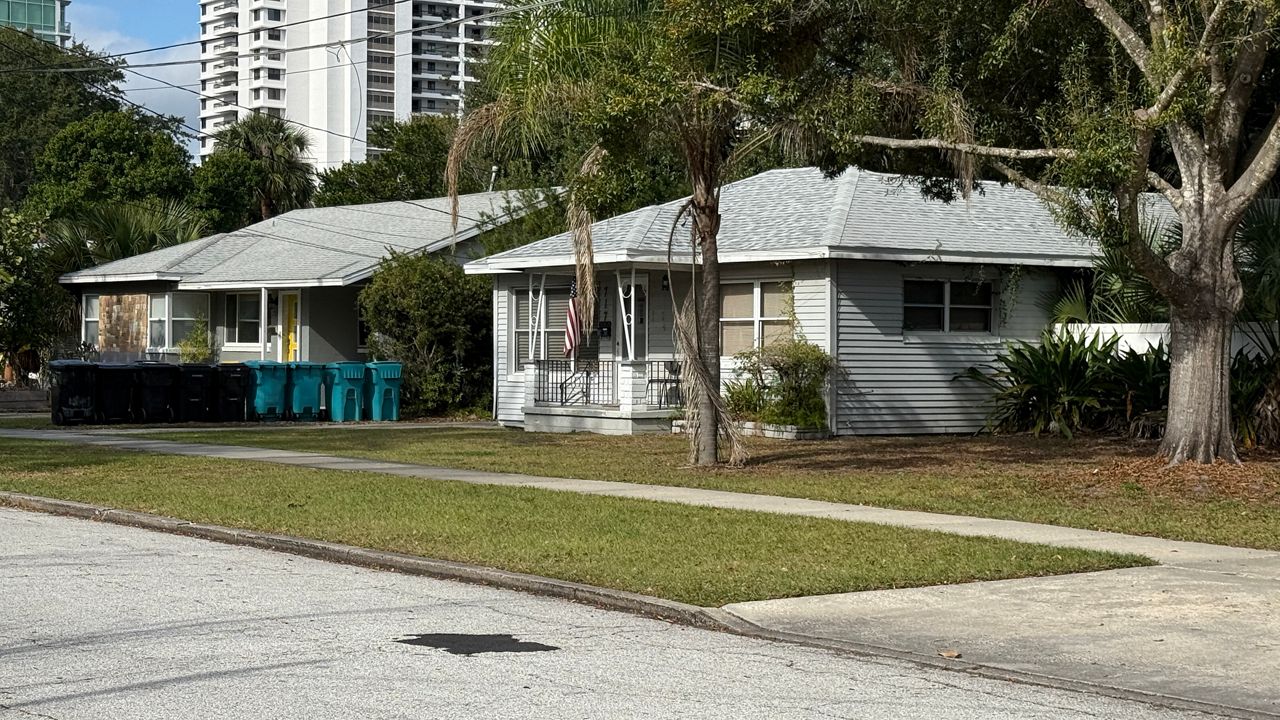
California’s housing crisis is an ongoing challenge, but recent innovations and collaborative efforts offer a glimmer of hope. The Chan Zuckerberg Initiative outlines seven transformative approaches to rebuilding the state’s housing system, emphasizing affordability and community inclusion.
1. Project Roomkey: A Temporary Solution with Lasting Impact
Launched in March 2020, Project Roomkey successfully moved 62,000 unhoused Californians into hotel rooms. This initiative, funded by federal COVID relief dollars, significantly reduced COVID-19 deaths among the homeless. As of January 2024, 22% of participants transitioned to permanent housing. The project’s success led to the launch of Homekey, with California allocating $300 million to continue the program.
2. Industrialized Construction: A New Era of Building
Rising construction costs have exacerbated California’s housing crisis. According to the California Construction Cost Index, costs increased by 36.5% between January 2021 and January 2024. Industrialized methods like modular construction and 3D printing promise lower costs and faster build times, potentially revolutionizing affordable housing development.
3. Alternative Home Ownership Models
Traditional homeownership models have failed many, particularly communities of color. Alternatives such as community land trusts and Tenancy in Commons offer more inclusive paths to ownership. These models challenge conventional norms by creating permanently affordable housing and shared wealth-building opportunities.
4. Cross-Sector Housing Solutions
The Partnership for the Bay’s Future exemplifies cross-sector collaboration, leveraging diverse perspectives to tackle housing challenges. Over five years, this initiative has protected more than 73,000 tenants and financed over 4,400 homes for 11,000 people, demonstrating the power of collective impact.
5. Learning from COVID-19 Housing Solutions
The pandemic prompted unprecedented housing solutions, including cash aid to prevent evictions. California’s $5.2 billion rental relief program supported over 370,000 households, showcasing the effectiveness of swift, targeted interventions.
6. Transforming Surplus Lands into Homes
California’s new legislation prioritizes building on government-owned land, unlocking thousands of acres for affordable housing. Faith communities also hold over 38,000 acres of unused land, offering immense potential for development.
7. Preserving Existing Affordable Housing
Naturally occurring affordable housing is at risk from private equity buyouts. Initiatives like the Los Angeles Local Rental Owners Collaborative support local landlords, preserving affordable units and preventing displacement.
These innovative solutions demonstrate that California’s housing crisis is not insurmountable. With continued commitment and creativity, the state can provide affordable housing for all its residents.
More Articles
Getting licensed or staying ahead in your career can be a journey—but it doesn’t have to be overwhelming. Grab your favorite coffee or tea, take a moment to relax, and browse through our articles. Whether you’re just starting out or renewing your expertise, we’ve got tips, insights, and advice to keep you moving forward. Here’s to your success—one sip and one step at a time!
After years of sharp increases and shrinking coverage options, Florida’s home insurance market is showing its strongest signs of recovery yet. Multiple insurers are proposing significant premium cuts for 2026 — some in the double digits — as storm‑loss data improves and private carriers re‑enter the state. Citizens Insurance is also seeking its first broad rate reduction in a decade, potentially lowering costs for millions of homeowners. This shift could boost affordability and confidence across Florida’s real estate and mortgage markets heading into the new year.
An AI company that began in a bedroom is now shaking the foundations of the lending industry. Salient, led by CEO Ari Malik, has skyrocketed to a $500 million valuation by fixing one of finance’s messiest problems: debt servicing. With zero customer churn, 100% pilot-to-contract conversions, and AI agents reportedly 30 times more compliant than humans, Salient is redefining how lenders manage loans. Its rapid rise highlights a new era where trust, regulation‑ready AI, and deep industry understanding are becoming essential for professionals across real estate, mortgage, finance, and insurance.
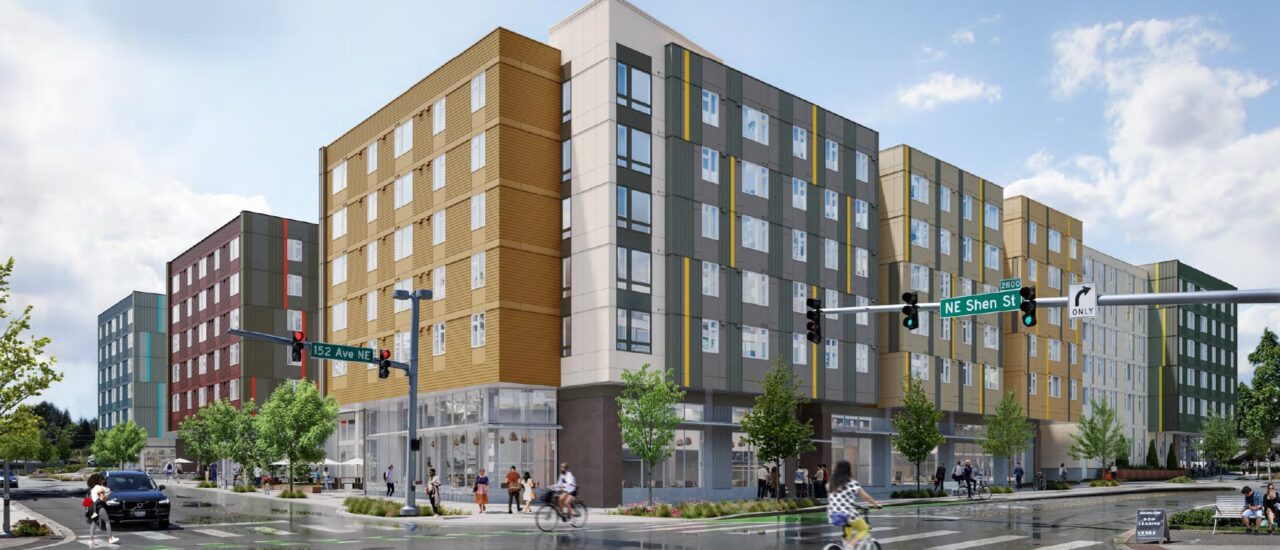
Redmond, Washington is tackling its housing crisis with Prisma, a six‑story, transit‑oriented development built on discounted surplus land from Sound Transit. The project will deliver 328 deeply affordable units—most reserved for households earning 50 percent of AMI or less, including families and people with disabilities. Enabled by a rare cross‑sector funding partnership, Prisma showcases how cities can combine transit investment, public resources, and private support to create long‑term, equitable housing solutions.
Citizens Property Insurance Corp. is recommending rate decreases for millions of Florida homeowners in 2026, marking the first potential premium drop in over a decade. If approved by state regulators, personal-line policies would fall an average of 2.6%, with some homeowners seeing reductions up to 11.5%. The shift reflects growing market stability driven by recent insurance reforms and increased private‑sector participation, though not all counties will benefit equally.
Despite alarming headlines, experts say AI isn’t the true driver behind Wall Street job cuts. Major banks like JPMorgan and Goldman Sachs are trimming staff, but economists point to post‑pandemic overhiring and economic uncertainty—not robots—as the real cause. While banks are investing heavily in AI tools, actual AI‑driven layoffs remain minimal. Instead, AI is slowing new hiring, reshaping roles, and pushing professionals across finance, real estate, and other industries to upskill rather than fear replacement.
Artificial intelligence is reshaping the real estate industry in 2025, powering a new surge of growth and maturity in the proptech sector. AI tools once considered experimental—such as predictive analytics, automated valuations, and digital transaction platforms—are now becoming essential to real estate, mortgage, insurance, and finance workflows. With rising investor confidence and widespread professional adoption, AI‑driven proptech is transforming how the industry operates and what skills modern professionals need to stay competitive.