California’s Housing Overhaul: A New Era for Landlords and Tenants

In a transformative move towards enhancing housing affordability and tenant security, California is poised to introduce significant legislative changes in 2024. These changes, encapsulated in Senate Bill 567 and Assembly Bill 12, promise to reshape the landscape for landlords and tenants alike.

Senate Bill 567: Tenant Protection and Just Cause Evictions

Effective April 1, 2024, Senate Bill 567, also known as the Homelessness Prevention Act, institutes comprehensive protective measures for tenants. The legislation caps rent increases at 10% annually and prohibits evictions without just cause. Under these new rules, landlords must provide explicit reasons for eviction, distinguishing between “at-fault just cause” and “no-fault just cause” scenarios, such as the owner’s intention to occupy or remodel the property.

Landlords seeking to evict tenants on these grounds must adhere to stringent guidelines: occupying the property within 90 days and maintaining residence for at least 12 months. Additionally, if substantial remodeling is cited, landlords must furnish tenants with detailed written notices, construction timelines, and necessary permits. Failure to comply could result in severe financial penalties, including triple damages and attorney fees.

The bill further empowers enforcement by permitting the California Attorney General or city attorneys to pursue injunctive relief against violators. Landlords found guilty of rent overcharging face civil damages, reinforcing the bill’s commitment to tenant protection.

Assembly Bill 12: Security Deposit Reform

Taking effect on July 1, 2024, Assembly Bill 12 revises security deposit limits, capping them at one month’s rent for both furnished and unfurnished dwellings. This marks a departure from the previous allowance of up to three months’ rent, aiming to alleviate financial pressures on tenants.

The legislation includes exceptions for “small landlords,” defined as those owning limited rental properties, allowing them to collect higher deposits under specific conditions. This reform seeks to enhance housing accessibility, particularly for financially strained residents, amidst the backdrop of rising operational costs and regulatory complexities for landlords.

Conclusion

These legislative changes signal a pivotal shift in California’s approach to housing, presenting both challenges and opportunities for landlords. As these laws take effect, landlords are advised to consult legal experts to navigate the new regulatory landscape effectively and ensure compliance.


More Articles

Getting licensed or staying ahead in your career can be a journey—but it doesn’t have to be overwhelming. Grab your favorite coffee or tea, take a moment to relax, and browse through our articles. Whether you’re just starting out or renewing your expertise, we’ve got tips, insights, and advice to keep you moving forward. Here’s to your success—one sip and one step at a time!

The Digital Healthcare Revolution: Transforming Patient Care with Technology

The global digital health market is set to skyrocket, with projections estimating it will reach $551.09 billion by 2027. This growth is fueled by innovations that are setting new benchmarks in healthcare delivery.

By |November 28, 2024|Categories: Article, Healthcare, Technology|Tags: , |0 Comments

University of Pennsylvania Pioneers the Planetary Health Curriculum

This innovative program equips medical students with the knowledge to understand and mitigate the effects of climate change on human health.

The Deep-Learning Triple Threat Transforming Medical Imaging

AI is being hailed as a "triple threat" in radiology, impacting planning, scanning, and diagnosis. As detailed in a recent column by Kelly Londy of GE HealthCare, these intelligent imaging systems are ushering in seismic changes reminiscent of the transformative impact of computer-assisted tomography in the late 20th century.

Federal Reserve’s Interest Rate Cut: Implications for the Housing Market

In a significant move that has captured the attention of economists and homebuyers alike, the Federal Reserve recently announced a half-percentage-point cut in interest rates. This decision is poised to bring about notable changes in the housing market, though not all effects may be beneficial for prospective homeowners.

By |November 27, 2024|Categories: Article, Economics, Real Estate|Tags: , |0 Comments

Public Perceptions of AI in Healthcare: A Balancing Act Between Innovation and Ethics

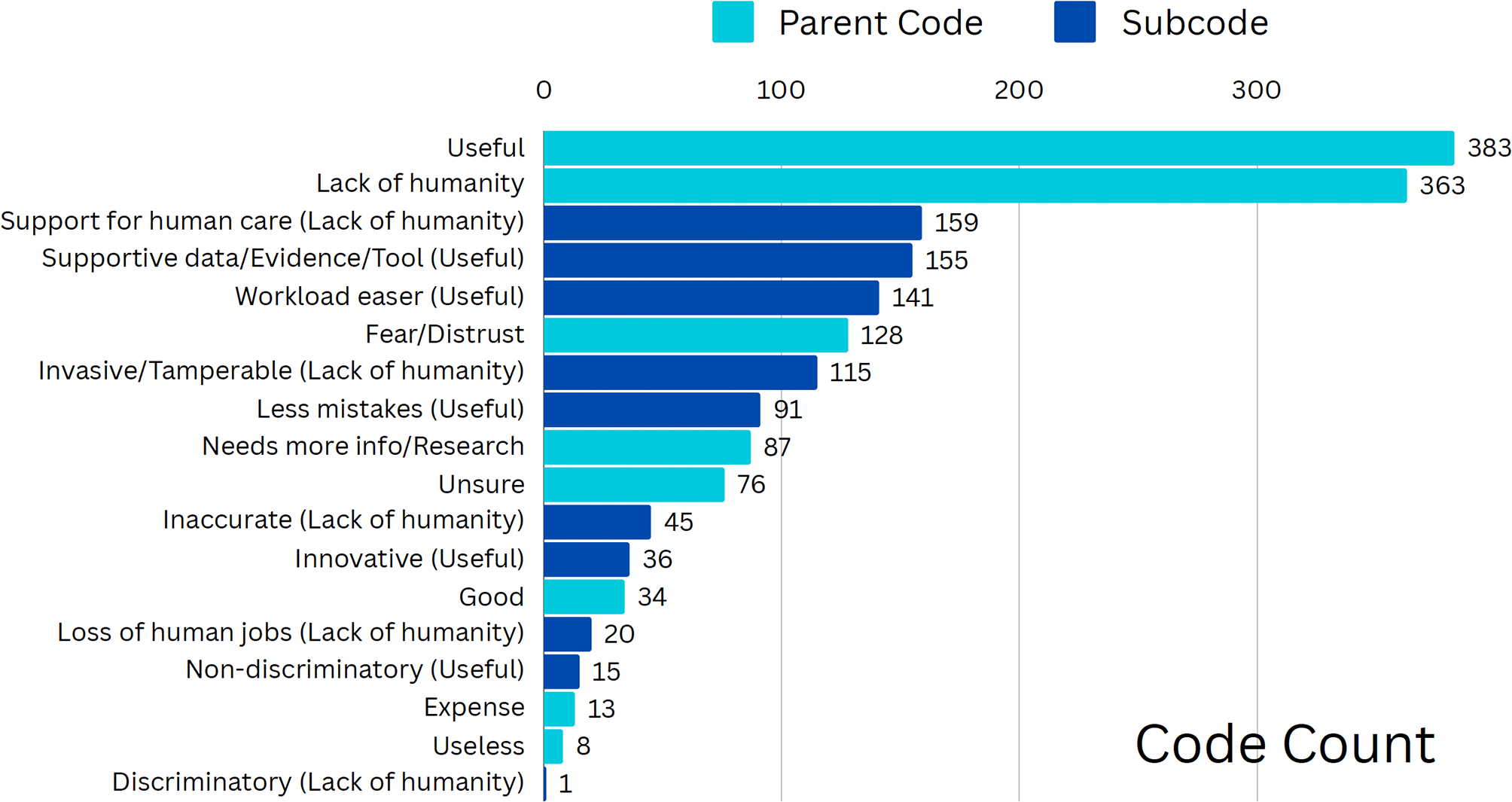
In the rapidly evolving landscape of healthcare, the integration of artificial intelligence (AI) stands as a beacon of both promise and concern. The research underscores a significant tension: while AI has the capability to enhance healthcare delivery, there is palpable unease about its impact on the traditional physician-patient relationship.

By |November 27, 2024|Categories: Article, Ethics, Healthcare|Tags: , |0 Comments

The Ethical Dilemmas of AI: A Modern Conundrum

As artificial intelligence (AI) technology advances, it presents a myriad of ethical dilemmas and challenges that demand urgent attention. The USC Annenberg School for Communication and Journalism recently explored these pressing issues, highlighting the complexities involved in AI's deployment.

By |November 27, 2024|Categories: Article, Ethics, Technology|Tags: , |0 Comments