California’s Housing Overhaul: A New Era for Landlords and Tenants

In a transformative move towards enhancing housing affordability and tenant security, California is poised to introduce significant legislative changes in 2024. These changes, encapsulated in Senate Bill 567 and Assembly Bill 12, promise to reshape the landscape for landlords and tenants alike.

Senate Bill 567: Tenant Protection and Just Cause Evictions

Effective April 1, 2024, Senate Bill 567, also known as the Homelessness Prevention Act, institutes comprehensive protective measures for tenants. The legislation caps rent increases at 10% annually and prohibits evictions without just cause. Under these new rules, landlords must provide explicit reasons for eviction, distinguishing between “at-fault just cause” and “no-fault just cause” scenarios, such as the owner’s intention to occupy or remodel the property.

Landlords seeking to evict tenants on these grounds must adhere to stringent guidelines: occupying the property within 90 days and maintaining residence for at least 12 months. Additionally, if substantial remodeling is cited, landlords must furnish tenants with detailed written notices, construction timelines, and necessary permits. Failure to comply could result in severe financial penalties, including triple damages and attorney fees.

The bill further empowers enforcement by permitting the California Attorney General or city attorneys to pursue injunctive relief against violators. Landlords found guilty of rent overcharging face civil damages, reinforcing the bill’s commitment to tenant protection.

Assembly Bill 12: Security Deposit Reform

Taking effect on July 1, 2024, Assembly Bill 12 revises security deposit limits, capping them at one month’s rent for both furnished and unfurnished dwellings. This marks a departure from the previous allowance of up to three months’ rent, aiming to alleviate financial pressures on tenants.

The legislation includes exceptions for “small landlords,” defined as those owning limited rental properties, allowing them to collect higher deposits under specific conditions. This reform seeks to enhance housing accessibility, particularly for financially strained residents, amidst the backdrop of rising operational costs and regulatory complexities for landlords.

Conclusion

These legislative changes signal a pivotal shift in California’s approach to housing, presenting both challenges and opportunities for landlords. As these laws take effect, landlords are advised to consult legal experts to navigate the new regulatory landscape effectively and ensure compliance.


More Articles

Getting licensed or staying ahead in your career can be a journey—but it doesn’t have to be overwhelming. Grab your favorite coffee or tea, take a moment to relax, and browse through our articles. Whether you’re just starting out or renewing your expertise, we’ve got tips, insights, and advice to keep you moving forward. Here’s to your success—one sip and one step at a time!

The Hidden Mold Crisis Fueled by Extreme Weather

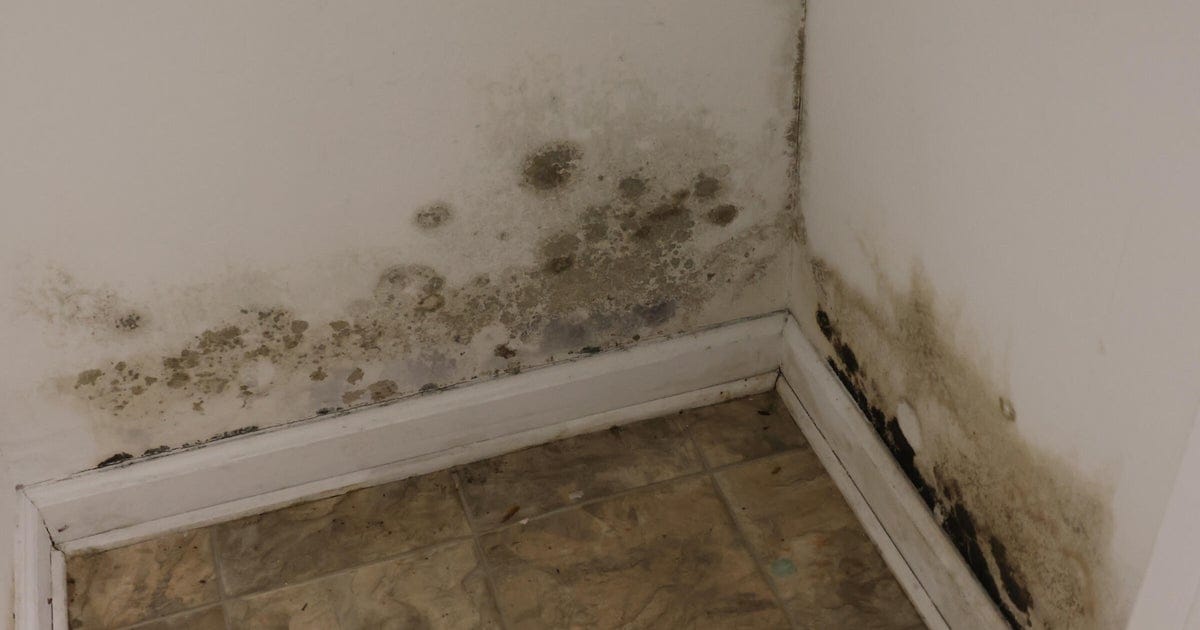
Extreme storms are triggering a surge in hidden mold growth across nearly half of U.S. homes, creating a growing health and financial emergency for families and real estate professionals. From rapid post‑storm mold development to soaring remediation costs, this silent threat is reshaping property safety, insurance challenges, and the future of housing in high‑risk regions.

Rocket Mortgage Faces Class Action for Alleged Opt‑Out Violations After 12 Unwanted Calls

A Florida consumer has filed a class action accusing Rocket Mortgage of repeatedly calling her even after confirming her opt‑out request, marking the company’s 56th TCPA‑related lawsuit. The complaint claims Rocket continued outreach for nearly three weeks—despite a STOP confirmation—and could impact more than 10,000 consumers nationwide.

Mortgage Rates Hit Month‑High as Loan Demand Falls 5%

Mortgage rates rose for the third straight week, reaching their highest level in a month and triggering a 5.2% drop in overall mortgage applications. Refinance activity slid 7%, purchase demand dipped 2%, and analysts say uncertainty in the bond market is keeping rates on a choppy path. Despite the pullback, today’s loan activity still sits well above last year’s lows, signaling that buyers remain active—but increasingly cautious.

Florida Approves 6.9% Workers’ Compensation Rate Cut for 2026

Florida has approved a 6.9% reduction in workers’ compensation insurance rates for 2026, marking the ninth straight year of decreases. The cut, signed by Insurance Commissioner Mike Yaworsky, takes effect January 1 and lowers costs for all new and renewal policies. State officials say the trend reflects improved workplace safety and will help businesses reduce expenses and support growth across industries including real estate, construction, and property management.

Is Now the Right Time to Buy a Home? Market Shifts Are Finally Giving Buyers the Upper Hand

Mortgage rates are dipping, inventory is soaring, and—for the first time in years—buyers have real leverage. While home prices remain at record highs and the economy feels unpredictable, rising inventory and cooling rates are creating rare opportunities for financially ready buyers. If you’ve been waiting for the market to open a door, this may be your moment to step through.

Is Miami Becoming New York’s Millionaire Relocation Spot?

Miami developers are pitching 'safe spaces' for millionaires amid fears of a political shift in New York City. Concerns over higher taxes and crime are prompting some New Yorkers to consider relocating south.

By |November 6, 2025|Categories: Article, Migration Trends, Real Estate|Tags: |0 Comments