California’s Insurance Crisis: How Political Delays, Climate Pressure, and Broken Systems Collided
California’s property insurance market didn’t collapse overnight—it was a slow-motion train wreck years in the making. Long before the devastating Los Angeles wildfires that destroyed nearly 13,000 homes, warning signs were flashing across the state. But despite the alarms, meaningful intervention lagged, and today millions of Californians find themselves caught in one of the most severe insurance crises in state history.
The Los Angeles Times investigation at the heart of this story pulls back the curtain on how it all unfolded—highlighting political missteps, industry pressure, and the real-world impact on homeowners.
A Market in Freefall
In mid-2023, California’s biggest insurers began shedding customers en masse. Thousands received non-renewal notices, and companies refused to take on new policies in major regions. Rising reinsurance costs, inflation, and years of rate-hike delays pushed major carriers to the edge.
And just as California burned—insurance options vanished.
Interactive Insight
Want to explore how reinsurance affects your premiums? Hover or tap below.
Reinsurance = insurance for insurance companies.
When reinsurers raise rates, carriers pay more.
When carriers pay more, homeowners eventually pay more too.
Commissioner Ricardo Lara: At the Center of the Storm
California Insurance Commissioner Ricardo Lara found himself at ground zero. While the market deteriorated rapidly, Lara attended industry events—including a four‑day trip to Bermuda featuring dinners, cocktail cruises, and a “Pride and Prosecco” mixer hosted by reinsurers.
Reinsurers had much to gain. Rates were skyrocketing, and carriers wanted Lara to approve passing those costs to consumers. Weeks after returning from Bermuda, Lara agreed in closed-door meetings arranged by Gov. Gavin Newsom—approving faster rate hikes, weaker consumer protections, and softer bailout rules.
The Human Toll
Behind the politics are families whose lives were destroyed. Home survivors in the Eaton and Palisades fires found themselves trapped between burned homes, minimal FAIR Plan coverage, and delayed or denied payouts.
Many have publicly demanded Lara’s resignation.
A Crisis Years in the Making
Its origins stretch back to 2017–2019, when new catastrophe models predicted massive wildfire losses. Reinsurers doubled prices. Carriers had two options: raise rates drastically or drop customers.
California’s regulatory delays—once 4–6 months, now close to a year—only worsened the collapse.
Data Snapshot
FAIR Plan policy growth:
2019: 123,657 policies
2025: Over 645,000 policies
A fivefold surge—proof the traditional market is disintegrating.
The High-Stakes Negotiations
The final “market stabilization plan” granted insurers permission to charge for reinsurance, use predictive models, and receive faster rate reviews. In exchange, they were expected to recommit to high‑risk zones—but loopholes allow many to sidestep those promises.
Is the Crisis Fixable?
Lara calls his reforms transformational. Critics call them dangerous. New filings show most insurers plan no meaningful return to high‑risk areas despite premium increases that could cost households hundreds more.
Why Professionals Should Care
The insurance collapse is reshaping California’s real estate, mortgage, and development ecosystems. When insurance disappears, deals die.
For professionals—or anyone entering fields like real estate, mortgage, or insurance—staying informed is essential. Institutions such as Cameron Academy continue providing education that prepares professionals for the regulatory and market shifts shaping their careers.
Explore the Original Investigation
For a deeper dive into California’s insurance crisis, explore the source:
Getting licensed or staying ahead in your career can be a journey—but it doesn’t have to be overwhelming. Grab your favorite coffee or tea, take a moment to relax, and browse through our articles. Whether you’re just starting out or renewing your expertise, we’ve got tips, insights, and advice to keep you moving forward. Here’s to your success—one sip and one step at a time!
A growing share of American homeowners now carry mortgage rates above 5%—a dramatic shift that’s reshaping refinancing, inventory, and buyer behavior nationwide. With more than 30% of borrowers locked into rates over 5% and 20% above 6%, the market is split between owners holding on to low pandemic‑era loans and new buyers taking on higher‑rate mortgages. Federal efforts to push rates down could unlock millions of refinancing opportunities, while buyers see only modest monthly savings. For real estate professionals, understanding these rate dynamics is crucial as they increasingly drive inventory levels, affordability, and market activity.
New Moody’s data shows commercial real estate deal volume slipped 20% in December, marking a second monthly decline. Yet the full year tells a different story: 2025 ended with a 17% gain, signaling a quiet but resilient recovery. The biggest surprise came from the office sector, which posted a 21% jump in activity as return‑to‑office trends and AI‑driven job growth boosted demand. Multifamily, retail, and alternative assets like data centers also saw strong momentum, giving real estate professionals a market full of fresh opportunities heading into 2026.
Florida drivers and industry professionals are heading into 2026 with good news: auto insurance rates are dropping across the state as the market shows strong signs of stabilization. USAA leads the latest wave with a 7% average rate decrease expected in May 2026, saving members more than $125 million annually. They join several major insurers — including State Farm, Progressive, AAA, Allstate, and Florida Farm Bureau — all approving significant reductions. Officials credit recent legislative reforms, especially tort reform, for the improved loss ratios and renewed insurer confidence. With both auto and home insurance markets strengthening, Florida’s real estate, mortgage, and insurance professionals can expect more consumer confidence, smoother transactions, and expanding career opportunities.
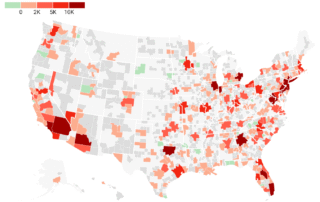
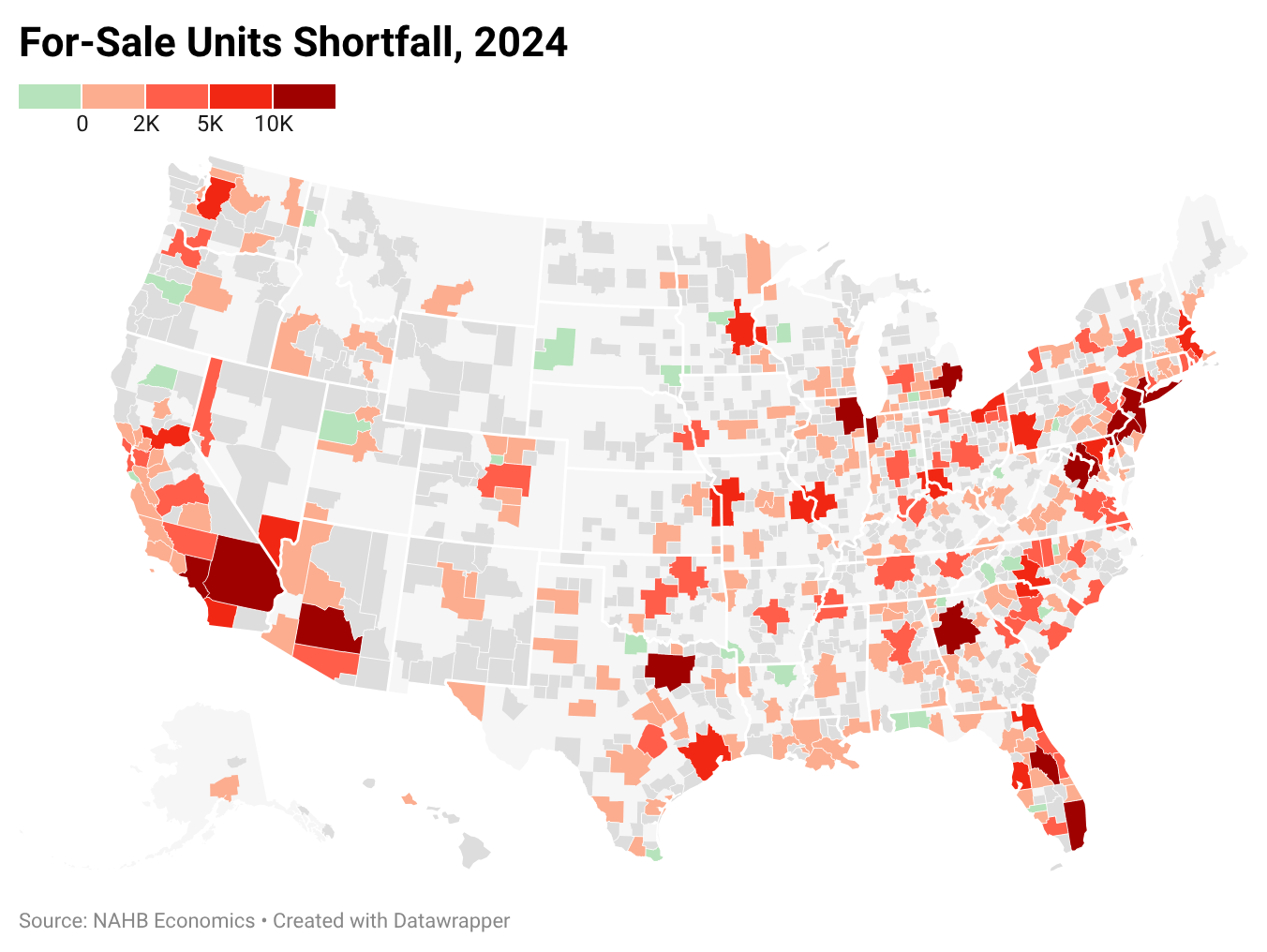
New data from Eye On Housing and the NAHB shows the U.S. remains short more than 1.2 million housing units, keeping pressure on both rents and home prices. Record‑low vacancy rates, slow single‑family construction, and restrictive zoning continue to fuel intense competition in 2024. Major metros like Chicago, New York, and Atlanta face some of the deepest deficits, and the true nationwide shortfall may be even higher when accounting for overcrowding and aging homes. For real estate professionals, the ongoing shortage means sustained demand, tighter inventory, and major opportunities for those who understand the evolving market.
Top real estate coach Jason Pantana says the divide between agents today isn’t about who has “tried” AI — it’s about who is immersed in it. In a new HousingWire interview, he explains why AI isn’t a gimmick but a full business system that amplifies output, improves authenticity, and reshapes how clients search for agents. From prompt mastery to AI‑driven visibility on Google, Pantana reveals how agents who commit even 15 minutes a day to learning AI are already outperforming those who hesitate.
Dallas–Fort Worth’s commercial real estate market closed 2025 with a split personality. Industrial dominated with massive new deliveries and soaring leasing demand, retail held steady with some of the market’s strongest fundamentals in years, and office continued to falter under remote‑work pressures. High vacancies, weak absorption, and rising demand for top‑tier space show the sector’s ongoing reset. Meanwhile, industrial and retail strength position the Metroplex for another powerhouse year heading into 2026.