California’s Insurance Crisis: How Political Delays, Climate Pressure, and Broken Systems Collided
California’s property insurance market didn’t collapse overnight—it was a slow-motion train wreck years in the making. Long before the devastating Los Angeles wildfires that destroyed nearly 13,000 homes, warning signs were flashing across the state. But despite the alarms, meaningful intervention lagged, and today millions of Californians find themselves caught in one of the most severe insurance crises in state history.
The Los Angeles Times investigation at the heart of this story pulls back the curtain on how it all unfolded—highlighting political missteps, industry pressure, and the real-world impact on homeowners.
A Market in Freefall
In mid-2023, California’s biggest insurers began shedding customers en masse. Thousands received non-renewal notices, and companies refused to take on new policies in major regions. Rising reinsurance costs, inflation, and years of rate-hike delays pushed major carriers to the edge.
And just as California burned—insurance options vanished.
Interactive Insight
Want to explore how reinsurance affects your premiums? Hover or tap below.
Reinsurance = insurance for insurance companies.
When reinsurers raise rates, carriers pay more.
When carriers pay more, homeowners eventually pay more too.
Commissioner Ricardo Lara: At the Center of the Storm
California Insurance Commissioner Ricardo Lara found himself at ground zero. While the market deteriorated rapidly, Lara attended industry events—including a four‑day trip to Bermuda featuring dinners, cocktail cruises, and a “Pride and Prosecco” mixer hosted by reinsurers.
Reinsurers had much to gain. Rates were skyrocketing, and carriers wanted Lara to approve passing those costs to consumers. Weeks after returning from Bermuda, Lara agreed in closed-door meetings arranged by Gov. Gavin Newsom—approving faster rate hikes, weaker consumer protections, and softer bailout rules.
The Human Toll
Behind the politics are families whose lives were destroyed. Home survivors in the Eaton and Palisades fires found themselves trapped between burned homes, minimal FAIR Plan coverage, and delayed or denied payouts.
Many have publicly demanded Lara’s resignation.
A Crisis Years in the Making
Its origins stretch back to 2017–2019, when new catastrophe models predicted massive wildfire losses. Reinsurers doubled prices. Carriers had two options: raise rates drastically or drop customers.
California’s regulatory delays—once 4–6 months, now close to a year—only worsened the collapse.
Data Snapshot
FAIR Plan policy growth:
2019: 123,657 policies
2025: Over 645,000 policies
A fivefold surge—proof the traditional market is disintegrating.
The High-Stakes Negotiations
The final “market stabilization plan” granted insurers permission to charge for reinsurance, use predictive models, and receive faster rate reviews. In exchange, they were expected to recommit to high‑risk zones—but loopholes allow many to sidestep those promises.
Is the Crisis Fixable?
Lara calls his reforms transformational. Critics call them dangerous. New filings show most insurers plan no meaningful return to high‑risk areas despite premium increases that could cost households hundreds more.
Why Professionals Should Care
The insurance collapse is reshaping California’s real estate, mortgage, and development ecosystems. When insurance disappears, deals die.
For professionals—or anyone entering fields like real estate, mortgage, or insurance—staying informed is essential. Institutions such as Cameron Academy continue providing education that prepares professionals for the regulatory and market shifts shaping their careers.
Explore the Original Investigation
For a deeper dive into California’s insurance crisis, explore the source:
Getting licensed or staying ahead in your career can be a journey—but it doesn’t have to be overwhelming. Grab your favorite coffee or tea, take a moment to relax, and browse through our articles. Whether you’re just starting out or renewing your expertise, we’ve got tips, insights, and advice to keep you moving forward. Here’s to your success—one sip and one step at a time!
Palm Beach protests erupted as intensified immigration enforcement reached the heart of Trump’s hometown, while millions in Florida brace for rising health care costs as key subsidies near expiration. At the same time, state regulators boldly declare the long‑running property insurance crisis “over,” leaving homeowners and industry professionals questioning whether true stability has finally returned.
As 2025 comes to a close, the real estate industry is shifting from uncertainty to strategic expansion. According to DWS’s Year-End 2025 Outlook, property values are stabilizing after years of repricing, capital is concentrating on high-quality assets, and Sunbelt markets—especially Florida—continue to outperform. With technology enhancing rather than replacing professional expertise, 2026 is shaping up to reward professionals who stay informed, skilled, and strategically positioned for the next cycle.
Texas capital is pouring into San Francisco’s long‑struggling commercial real estate market, with Lone Star investors buying up discounted Union Square buildings and signaling what many experts believe is the city’s market bottom. As office activity and confidence begin to return, buyers from across the country are joining the rush, turning SF’s post‑pandemic slump into one of the nation’s hottest bargain opportunities.
With 2026 HousingWire Tech100 nominations closing on December 19, the housing tech sector is accelerating at full speed. AI‑powered data platforms, digital closing breakthroughs, embedded insurance growth, and next‑generation servicing automation are reshaping real estate, mortgage, insurance, and finance. From ATTOM’s AI‑ready property intelligence to Hapi Homes’ Martha Stewart design revival, Obie’s nationwide expansion, Outamation’s servicing automation, and ServiceLink’s next‑level borrower scheduling, this year’s standout innovators are defining the future of the housing economy.
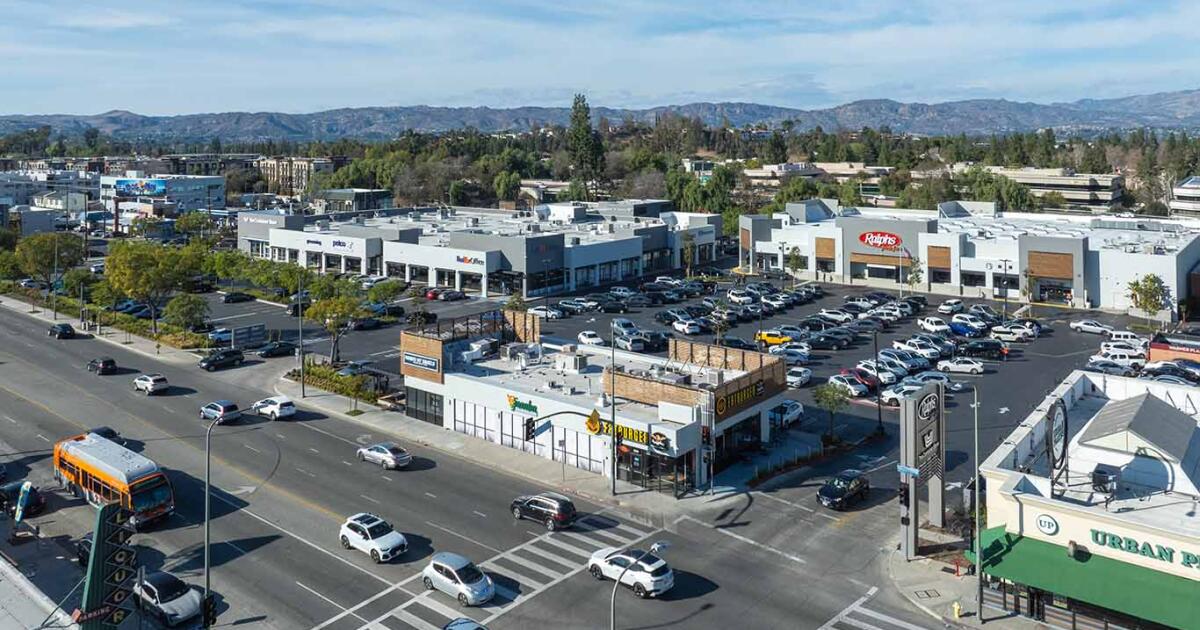
Space Investment Partners has acquired the 123,402‑square‑foot Topanga Gateway retail center in Woodland Hills for $64 million, marking another significant move in the firm’s expanding grocery‑anchored investment strategy. Located at a high‑visibility intersection and 97% occupied at the time of sale, the property strengthens the company’s push toward $500 million to $1 billion in retail acquisitions for 2026, underscoring continued investor confidence in necessity‑based retail assets.
After the Federal Reserve’s final 2025 rate cut on December 10, mortgage markets are recalibrating, giving buyers and homeowners a glimmer of relief. Rates remain lower than earlier in the year, with 30-year fixed loans at 6.12% and refinances dipping as well. This shift may spark renewed activity for buyers, refinancers, and real estate professionals heading into 2026.