California’s Insurance Meltdown: What Went Wrong, Who Pays, and Why It Matters for Every U.S. Professional
California’s property insurance market didn’t collapse overnight — but when it finally buckled, it did so in spectacular fashion. From wildfire devastation to regulatory delays to behind‑the‑scenes negotiations, the state’s insurance ecosystem spiraled into one of the most expensive crises in its history.
The Los Angeles Times recently released an extensive investigation exposing how years of compounding risks collided with industry pressure, political missteps, and the explosive growth of the state’s “insurer of last resort,” the FAIR Plan. The result? Tens of thousands of Californians suddenly unable to secure or afford homeowners insurance — and wildfire victims unable to rebuild.
A System Cracks Under Pressure
By mid‑2023, major carriers like State Farm and Allstate began quietly freezing or exiting parts of California. Inflation, reinsurance spikes, and increasingly aggressive wildfire models pushed insurers into uncharted territory. Meanwhile, regulators couldn’t process rate filings fast enough to keep smaller carriers above water.
The FAIR Plan — never meant as a mainstream solution — surged from 123,657 policies in 2019 to more than 645,000 today. In many wildfire‑risk regions, private insurers simply vanished.
Leadership Under Fire
Insurance Commissioner Ricardo Lara entered office focusing heavily on climate concerns, but avoided significant regulatory reform. The investigation revealed that delays, political controversies, and skyrocketing reinsurance costs forced him into concessions that insurers had been seeking for years.
Critics argue the new “Sustainable Insurance Strategy” gave carriers increased rate flexibility but offered no meaningful guarantee of expanding coverage in fire zones. Six of the first nine filings under the updated rules explicitly promised no new policies in high‑risk regions.
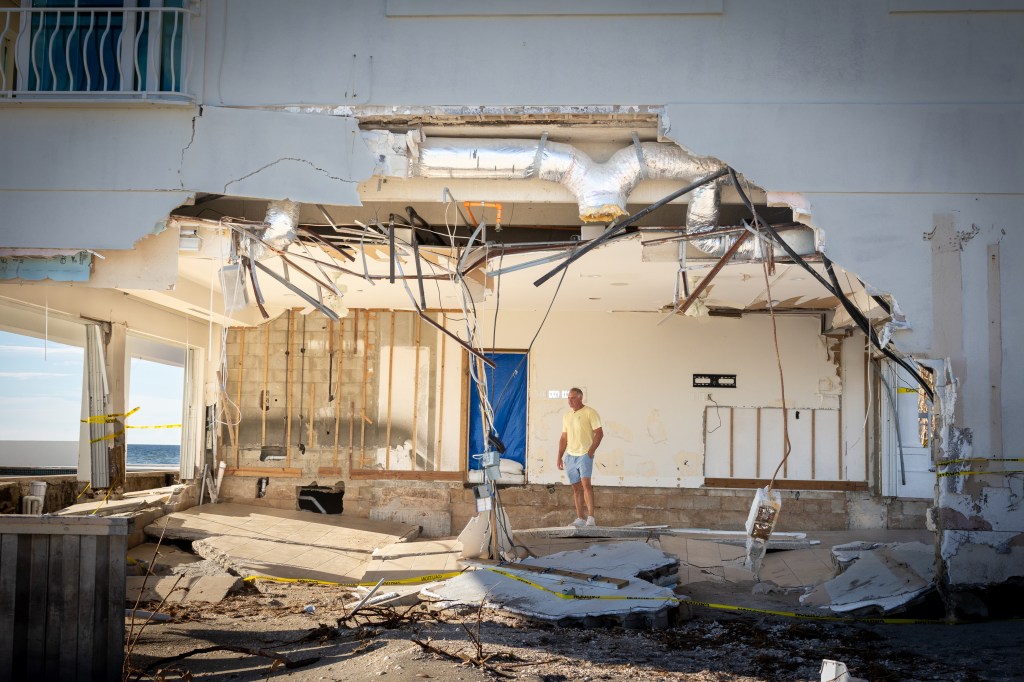
The January wildfires in Los Angeles devastated nearly 13,000 homes. Many FAIR Plan policyholders discovered their coverage limits were nowhere near what was needed to rebuild. Others with severe smoke damage saw their claims denied — sparking public outrage and calls for leadership changes.
To make matters worse, homeowners across the state are now being asked to cover half of a billion‑dollar bailout of the FAIR Plan.
Why This Matters Beyond California
Professionals in real estate, mortgage, insurance, finance, construction, and medical sectors should pay close attention. California is the nation’s insurance stress test — a preview of what other states may experience as climate risks intensify.
Insurance instability affects:
Property values
Loan approvals and mortgage underwriting
Construction and development feasibility
Housing affordability
Business relocation and investment potential
When insurance falters, entire industries feel the shockwave.
A Learning Moment for Professionals — and Future Licensees
For those in real estate or insurance — especially in high‑risk states like Florida — California’s crisis is a case study in how regulation, risk modeling, and carrier strategies ripple through multiple sectors.
Cameron Academy continues preparing professionals across real estate, mortgage, and insurance fields to navigate evolving regulatory conditions and risk environments. Understanding these national trends is key to staying competitive in today’s rapidly changing professional landscape.
Looking Forward
California’s insurance landscape remains volatile. Reinsurance is still costly. Predictive wildfire models continue tightening. Carriers remain cautious. Regulators face mounting scrutiny. And consumers are stuck in the middle.
How the state moves forward could reshape how the entire nation regulates insurance, evaluates climate risk, and balances protection with solvency.
The insurance market of the future will demand adaptability, transparency, and well‑educated professionals ready to respond.
Getting licensed or staying ahead in your career can be a journey—but it doesn’t have to be overwhelming. Grab your favorite coffee or tea, take a moment to relax, and browse through our articles. Whether you’re just starting out or renewing your expertise, we’ve got tips, insights, and advice to keep you moving forward. Here’s to your success—one sip and one step at a time!
The title insurance industry is entering 2026 with a renewed focus on technology, operational efficiency, and stronger agent support after years of volatility. Leaders from major underwriters report rising transaction activity, improved affordability, and a surge in automation and fraud‑prevention tools—signs that smarter systems and better training will define the next wave of growth.
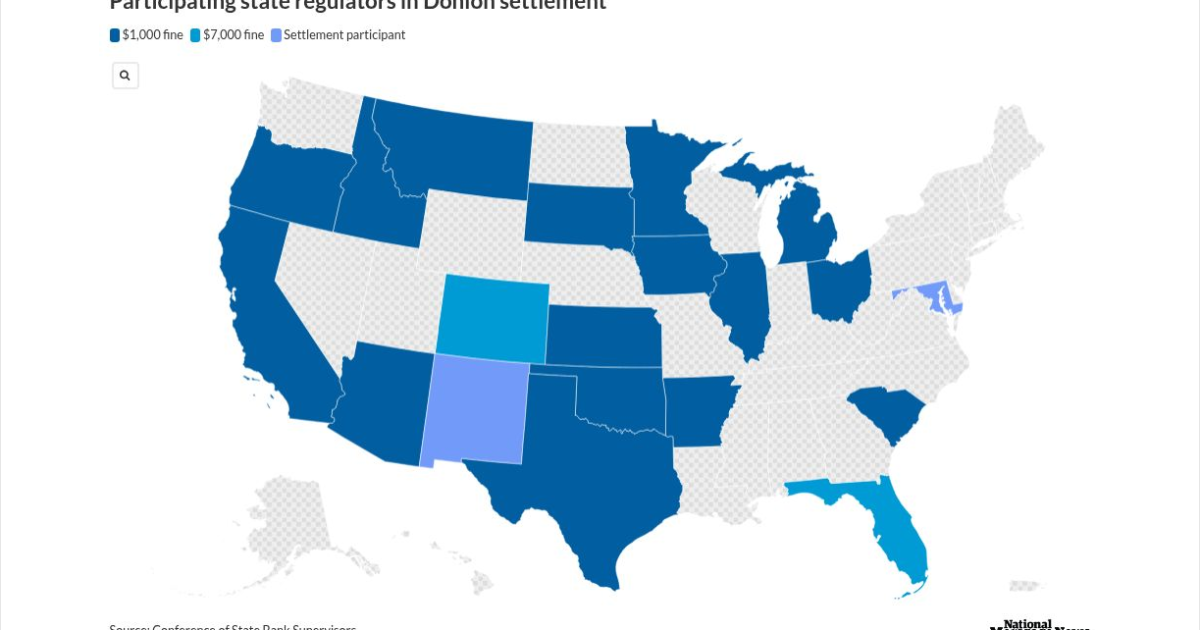
A multistate crackdown has sent shockwaves through the mortgage industry as Patrick Terrance Donlon, CEO of Trusted American Mortgage, accepted a sweeping settlement that bans him from working as a mortgage loan originator in 21 states—19 of them permanently. Regulators say Donlon had another individual complete his mandatory licensing and continuing‑education courses, a violation that triggered a coordinated investigation and a $31,000 penalty. The case underscores regulators’ growing intolerance for education fraud and serves as a sharp reminder to industry professionals: cutting corners on licensing can end careers.
Florida’s once‑booming housing market is cooling fast as rising insurance premiums, increasing foreclosures, and expanding flood zones push buyers to back out of deals and force sellers to cut prices. With insurance now adding thousands to annual housing costs, professionals across real estate, mortgage, and insurance are navigating a dramatically shifting landscape that’s redefining affordability in the Sunshine State.
Florida begins 2026 with a wave of more than 250 new laws now in effect, impacting healthcare, insurance, real estate, and consumer protections statewide. From free breast cancer screenings for state employees to tighter pet insurance regulations, mandatory healthcare refund rules, enhanced animal‑cruelty penalties, and new condo‑management requirements, these updates carry major implications for professionals navigating Florida’s evolving regulatory landscape.
Florida’s barrier islands may offer postcard-perfect beaches and soaring real estate demand, but they’re also some of the most fragile and costly places to build in the United States. With 765,000 residents living on land that shifts, sinks, and takes the brunt of every major hurricane, the financial and insurance risks are accelerating fast. From billion‑dollar beach rebuilds to towers settling into the sand, today’s coastal development challenges are reshaping conversations around property values, disclosure, and long‑term resilience. For real estate professionals, understanding these risks isn’t just smart — it’s becoming essential.
A Cedar City development is turning heads with its fresh approach to affordability. The team behind Temple View Commons is delivering luxury‑inspired twin homes at prices below the local median by using a small, hands‑on staff and cutting traditional costs like realtor commissions. In a tight Utah housing market where inventory is scarce and prices remain high, their strategy offers a realistic path to homeownership without sacrificing high‑end finishes.


 Title Insurance Leaders Double Down on Tech and Efficiency to Drive 2026 Market Momentum Gallery