California’s Insurance Meltdown: What Went Wrong, Who Pays, and Why It Matters for Every U.S. Professional
California’s property insurance market didn’t collapse overnight — but when it finally buckled, it did so in spectacular fashion. From wildfire devastation to regulatory delays to behind‑the‑scenes negotiations, the state’s insurance ecosystem spiraled into one of the most expensive crises in its history.
The Los Angeles Times recently released an extensive investigation exposing how years of compounding risks collided with industry pressure, political missteps, and the explosive growth of the state’s “insurer of last resort,” the FAIR Plan. The result? Tens of thousands of Californians suddenly unable to secure or afford homeowners insurance — and wildfire victims unable to rebuild.
A System Cracks Under Pressure
By mid‑2023, major carriers like State Farm and Allstate began quietly freezing or exiting parts of California. Inflation, reinsurance spikes, and increasingly aggressive wildfire models pushed insurers into uncharted territory. Meanwhile, regulators couldn’t process rate filings fast enough to keep smaller carriers above water.
The FAIR Plan — never meant as a mainstream solution — surged from 123,657 policies in 2019 to more than 645,000 today. In many wildfire‑risk regions, private insurers simply vanished.
Leadership Under Fire
Insurance Commissioner Ricardo Lara entered office focusing heavily on climate concerns, but avoided significant regulatory reform. The investigation revealed that delays, political controversies, and skyrocketing reinsurance costs forced him into concessions that insurers had been seeking for years.
Critics argue the new “Sustainable Insurance Strategy” gave carriers increased rate flexibility but offered no meaningful guarantee of expanding coverage in fire zones. Six of the first nine filings under the updated rules explicitly promised no new policies in high‑risk regions.
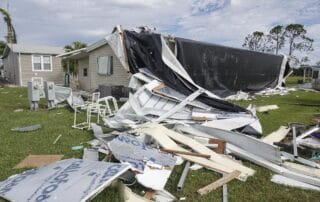
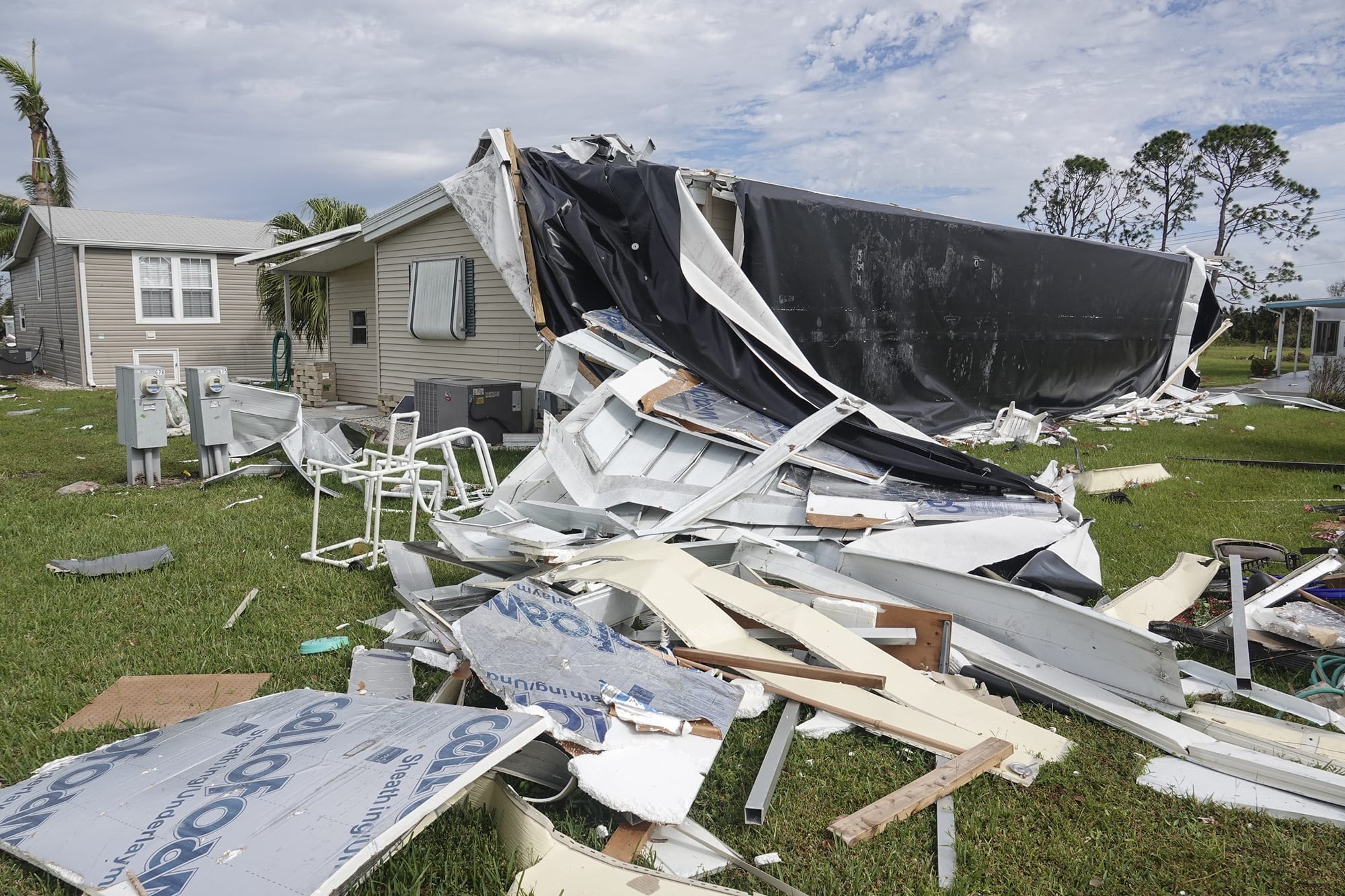
The January wildfires in Los Angeles devastated nearly 13,000 homes. Many FAIR Plan policyholders discovered their coverage limits were nowhere near what was needed to rebuild. Others with severe smoke damage saw their claims denied — sparking public outrage and calls for leadership changes.
To make matters worse, homeowners across the state are now being asked to cover half of a billion‑dollar bailout of the FAIR Plan.
Why This Matters Beyond California
Professionals in real estate, mortgage, insurance, finance, construction, and medical sectors should pay close attention. California is the nation’s insurance stress test — a preview of what other states may experience as climate risks intensify.
Insurance instability affects:
Property values
Loan approvals and mortgage underwriting
Construction and development feasibility
Housing affordability
Business relocation and investment potential
When insurance falters, entire industries feel the shockwave.
A Learning Moment for Professionals — and Future Licensees
For those in real estate or insurance — especially in high‑risk states like Florida — California’s crisis is a case study in how regulation, risk modeling, and carrier strategies ripple through multiple sectors.
Cameron Academy continues preparing professionals across real estate, mortgage, and insurance fields to navigate evolving regulatory conditions and risk environments. Understanding these national trends is key to staying competitive in today’s rapidly changing professional landscape.
Looking Forward
California’s insurance landscape remains volatile. Reinsurance is still costly. Predictive wildfire models continue tightening. Carriers remain cautious. Regulators face mounting scrutiny. And consumers are stuck in the middle.
How the state moves forward could reshape how the entire nation regulates insurance, evaluates climate risk, and balances protection with solvency.
The insurance market of the future will demand adaptability, transparency, and well‑educated professionals ready to respond.
Getting licensed or staying ahead in your career can be a journey—but it doesn’t have to be overwhelming. Grab your favorite coffee or tea, take a moment to relax, and browse through our articles. Whether you’re just starting out or renewing your expertise, we’ve got tips, insights, and advice to keep you moving forward. Here’s to your success—one sip and one step at a time!
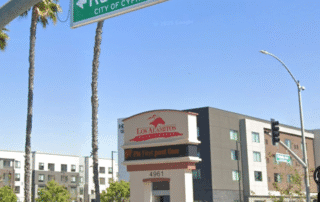
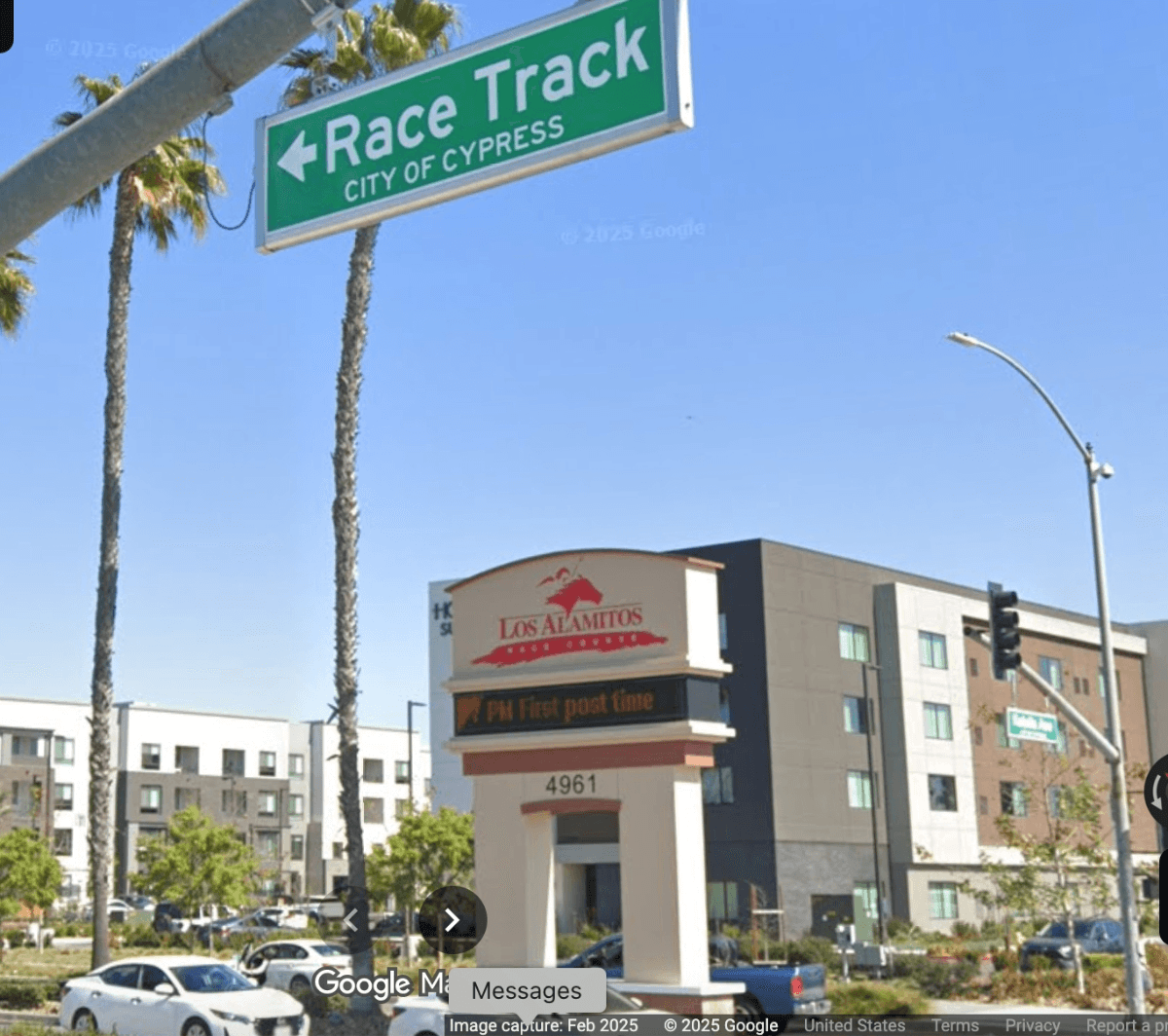
Los Alamitos Race Course is facing its most serious crisis in years after 18 horses died in 2025, prompting regulators to warn the track that its racing license is at risk without immediate safety reforms. Following three catastrophic injuries in a single day, the California Horse Racing Board has ordered urgent changes—including more veterinarians, stricter medication rules, and enhanced on‑track medical support—as pressure mounts for stronger oversight in a sport already under national scrutiny.
Canadian investors have poured more than US$5.8 billion into U.S. commercial real estate this year, making the U.S. their top destination even amid a lingering tariff dispute. Tight inventory in Canada and greater deal availability south of the border are driving the trend, with data centers and industrial properties emerging as the hottest targets for 2025.
Florida’s insurance commissioner says even industry pros struggle to read today’s 150‑page homeowners policies—leaving residents shocked when hurricane claims are denied. With rising premiums, high replacement costs, and widespread confusion over exclusions like flood and water damage, the state is pushing for simpler, clearer policy language so homeowners know what they’re actually covered for before the next storm hits.
Following the 2025 elections, major metros like New York, Chicago, Miami, Los Angeles, and Boston are implementing policy shifts that could reshape property values, rental income, development timelines, and investment strategy heading into 2026. From New York’s push toward aggressive rent reform to Chicago’s sustainability mandates and Miami’s uncertain mayoral runoff, these changes signal a new era where local politics increasingly dictate market performance. This breakdown highlights the biggest post‑election real estate pivots and what they mean for investors, agents, and finance professionals preparing for a rapidly evolving landscape.
Florida’s Insurance Commissioner is sounding the alarm after thousands of homeowners discovered—only after hurricanes Helene and Milton—that the coverage they thought they had didn’t exist. With nearly 150,000 unpaid claims tied to misunderstood flood exclusions, water‑damage caps, and buried policy clauses, state leaders are pushing to simplify the dense, confusing documents most Floridians never read. As insurance costs remain one of the state’s top concerns, this growing complexity is creating a massive opportunity for real estate, mortgage, and insurance professionals to guide consumers before disaster strikes.
Florida’s insurance market is reliving an old crisis under a new name. Despite reforms meant to stabilize the system, homeowners are being forced out of Citizens and into pricier policies from small insurers with shaky financial histories. Companies tied to past insolvencies are returning with fresh branding, while highly rated carriers continue to deny a majority of claims. With political influence muddying regulation and climate risks rising, experts warn that only a full structural overhaul—not cosmetic reforms—can restore confidence for homeowners, agents, and the entire real estate market.