California’s Real Estate: A Market on the Cusp of Transformation
The real estate landscape in California is bracing for a seismic shift over the next five years. With population growth, evolving economic conditions, and housing supply challenges at the forefront, the market is on the brink of significant transformation. As detailed in a recent report by Norada Real Estate Investments, these factors are set to shape the Golden State’s housing market from 2024 to 2029.
The Inventory Impasse
California’s chronic housing shortage remains a pressing issue. The limited availability of land, coupled with stringent regulations and lengthy permitting processes, has stifled new construction. This scarcity, particularly in affordable housing, is expected to persist, posing a challenge to the market’s growth.
Price Predictions and Interest Rates
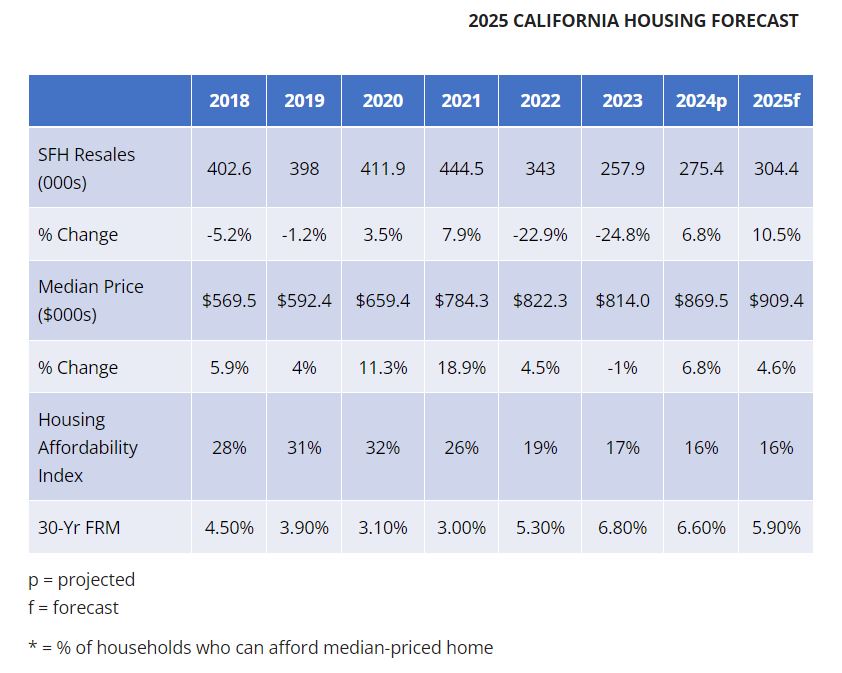
Forecasting home prices is akin to peering into a murky crystal ball. The California Association of Realtors (C.A.R.) projects a modest 6.2% increase in the median home price for 2024, reaching $860,300. Over the next five years, experts anticipate a price appreciation of 15% to 25%, though regional variations are expected. Areas with robust job markets and limited housing stock may see price hikes outpacing the national average.
Interest rates, a critical factor in affordability, are predicted to decline from 6.7% in 2023 to 6.0% in 2024, potentially sparking renewed buyer interest. The Federal Reserve’s monetary policy, however, remains a significant wildcard in this equation.
Emerging Trends and Regulatory Changes
The California housing market is more than just numbers. Emerging trends such as the rise of iBuyers, shifting demographics, and technological innovations are reshaping the landscape. Millennials and Gen Z are influencing development patterns with their preference for walkable neighborhoods and proximity to amenities.
Policy changes also loom large. Rent control debates continue, with potential implications for both affordability and investment in new rental properties. Regulations on short-term rentals like Airbnb could tighten, impacting both the rental inventory and the tourism industry.
The Road Ahead
As we look to the future, the California housing market presents a cautious yet optimistic outlook. While challenges around affordability persist, the anticipated decrease in interest rates and a slight boost in housing inventory offer a glimmer of hope. For prospective buyers and sellers, staying informed and adaptable will be key to navigating this ever-evolving landscape.
For further insights, explore California Housing Market Predictions 2025 and Will Housing Prices Drop in 2025 in California?.
More Articles
Getting licensed or staying ahead in your career can be a journey—but it doesn’t have to be overwhelming. Grab your favorite coffee or tea, take a moment to relax, and browse through our articles. Whether you’re just starting out or renewing your expertise, we’ve got tips, insights, and advice to keep you moving forward. Here’s to your success—one sip and one step at a time!
The 2026 housing market is off to a powerful start, with rising buyer activity, expanding inventory, and steady pricing creating one of the most balanced environments in years. Pending home sales and mortgage applications are climbing, inventory has reached 2.6 months of supply, and new listings continue to grow—all signaling renewed confidence and fresh opportunity for real estate professionals nationwide.
A wave of optimism is returning to U.S. commercial real estate heading into 2026, with 95% of investors planning to buy the same or more property than last year. Capital allocations are rising, Sun Belt cities continue to shine, and multifamily remains the top asset class. As pricing stabilizes and debt pressures ease, professionals across real estate and finance are entering a year defined by strategic growth and renewed opportunity.
Floridians were told insurance relief was on the way, but many homeowners are seeing the opposite as premiums continue to rise. Despite state leaders insisting the market is improving and insurers filing rate decreases, homeowners like Lisa Riggi say the real‑world impact tells a different story. Higher property valuations, inflation, and updated replacement‑cost calculations are driving premiums upward, leaving some families questioning whether they can afford to remain in Florida.
Florida once promised retirees sunshine, low costs, and a $20,000 condo by the pool. But in 2026, soaring insurance rates, rising taxes, shrinking affordable housing, and an influx of wealthier newcomers have transformed the state into a far more expensive version of the paradise our parents knew. From corporate buyouts of mobile home parks to multimillion‑dollar estates redefining the market, today’s Florida is a place of widening gaps, disappearing middle‑range homes, and a future that demands deeper pockets—and smarter market insight.
Mortgage rates continue easing into the low 6% range, giving buyers and real estate professionals a welcome boost in early February 2026. Softer labor market data and slipping Treasury yields are helping keep rates stable, with 30‑year fixed loans averaging around 6.26% and refinance rates also trending lower. While affordability remains tight, today’s calmer rate environment is opening doors for more buyers—and offers agents a clearer outlook as they guide clients through a still‑shifting market.
A new CBRE survey reveals that U.S. commercial real estate investors are preparing to ramp up acquisitions in 2026, signaling renewed confidence across the sector. Dallas leads the nation for the fifth straight year as the top investment market, followed by Atlanta and San Francisco. Florida markets like Miami and Tampa continue to rise, while cities such as Charlotte, Nashville, Seattle, and New York also attract strong investor attention. With activity heating up nationwide, 2026 is shaping into a powerful year for commercial real estate professionals.