California’s Real Estate: A Market on the Cusp of Transformation
The real estate landscape in California is bracing for a seismic shift over the next five years. With population growth, evolving economic conditions, and housing supply challenges at the forefront, the market is on the brink of significant transformation. As detailed in a recent report by Norada Real Estate Investments, these factors are set to shape the Golden State’s housing market from 2024 to 2029.
The Inventory Impasse
California’s chronic housing shortage remains a pressing issue. The limited availability of land, coupled with stringent regulations and lengthy permitting processes, has stifled new construction. This scarcity, particularly in affordable housing, is expected to persist, posing a challenge to the market’s growth.
Price Predictions and Interest Rates
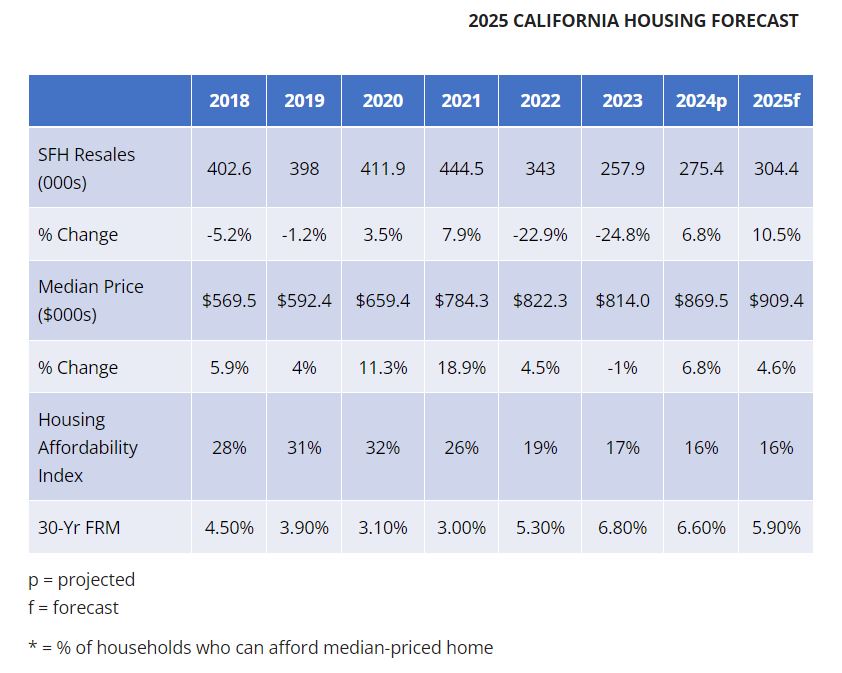
Forecasting home prices is akin to peering into a murky crystal ball. The California Association of Realtors (C.A.R.) projects a modest 6.2% increase in the median home price for 2024, reaching $860,300. Over the next five years, experts anticipate a price appreciation of 15% to 25%, though regional variations are expected. Areas with robust job markets and limited housing stock may see price hikes outpacing the national average.
Interest rates, a critical factor in affordability, are predicted to decline from 6.7% in 2023 to 6.0% in 2024, potentially sparking renewed buyer interest. The Federal Reserve’s monetary policy, however, remains a significant wildcard in this equation.
Emerging Trends and Regulatory Changes
The California housing market is more than just numbers. Emerging trends such as the rise of iBuyers, shifting demographics, and technological innovations are reshaping the landscape. Millennials and Gen Z are influencing development patterns with their preference for walkable neighborhoods and proximity to amenities.
Policy changes also loom large. Rent control debates continue, with potential implications for both affordability and investment in new rental properties. Regulations on short-term rentals like Airbnb could tighten, impacting both the rental inventory and the tourism industry.
The Road Ahead
As we look to the future, the California housing market presents a cautious yet optimistic outlook. While challenges around affordability persist, the anticipated decrease in interest rates and a slight boost in housing inventory offer a glimmer of hope. For prospective buyers and sellers, staying informed and adaptable will be key to navigating this ever-evolving landscape.
For further insights, explore California Housing Market Predictions 2025 and Will Housing Prices Drop in 2025 in California?.
More Articles
Getting licensed or staying ahead in your career can be a journey—but it doesn’t have to be overwhelming. Grab your favorite coffee or tea, take a moment to relax, and browse through our articles. Whether you’re just starting out or renewing your expertise, we’ve got tips, insights, and advice to keep you moving forward. Here’s to your success—one sip and one step at a time!
Many Floridians are discovering after major hurricanes that what they assumed was covered by their insurance simply isn’t. With more than 100,000 claims denied or closed without payment and widespread confusion over gaps like flood versus hurricane coverage, experts warn that the fine print can hit harder than the storm itself. As premiums rise and policies grow more complex, understanding what’s actually protected has become essential for homeowners and real estate professionals alike.
A new report from Zillow shows the U.S. just experienced its strongest October housing market since 2021, with inventory rising, affordability improving, and both new listings and pending sales up 5% year-over-year. Nineteen major markets now favor buyers—nine more than last year—as mortgage rates ease, inventory rebounds, and home values level off. For real estate professionals, especially in Florida, these shifts signal a market gaining momentum heading into 2025 and beyond.
Commercial real estate is heading into 2026 with major shifts in policy, technology, investment flows, and market fundamentals. From tightening capital sources and AI-driven decision-making to nationwide housing shortages and a looming wave of maturing debt, professionals across real estate, finance, insurance, and development must adapt quickly. These trends will shape opportunities, risks, and required skills in the year ahead—making strategic education and licensing upgrades more important than ever.
A major cyberattack on real‑estate data giant SitusAMC has triggered emergency responses across Wall Street, exposing sensitive loan records and legal documents tied to major banks like JPMorgan and Citigroup. While operations have been restored, the breach highlights critical weaknesses in third‑party vendors that support the nation’s real‑estate and mortgage infrastructure. Federal investigators and financial institutions are now racing to assess the fallout as experts warn of long‑term risks to the digital systems underpinning multi‑trillion‑dollar lending markets.
Australia’s commercial real estate sector is undergoing a major long‑term shift driven by hybrid work, booming logistics demand, sustainability priorities and evolving global capital flows. With the market projected to grow from USD 11.96 billion in 2024 to USD 21.03 billion by 2033, the biggest opportunities are emerging in industrial assets, ESG‑certified buildings, flexible workspaces and adaptive reuse projects. These trends echo changes developing in the U.S.—including Florida—making Australia a valuable case study for professionals watching the future of commercial real estate.
A new wave of chat‑driven AI tools is transforming how agents market properties by letting them edit listing photos simply by describing what they want changed. From removing clutter to adjusting lighting or staging entire rooms, professionals can now showcase a unit’s full potential long before it’s camera‑ready. This technology boosts efficiency for property managers, enhances buyer engagement through interactive visuals, and underscores the importance of transparency as AI becomes a core part of real estate marketing.