Cambio Secures $18M Series A To Rebuild Commercial Real Estate Workflows With AI
Cambio, an emerging force in AI-powered commercial real estate software, has secured a bold $18 million Series A round at a $100 million valuation—an impressive milestone for a company launched just two years ago. The news, first reported by Crunchbase News, signals a major leap forward for proptech innovators and global institutional investors hungry for sharper, faster, and more reliable real estate intelligence.
Turning “Messy” Building Data Into Investor-Grade Decisions
Cambio focuses on one of commercial real estate’s biggest pain points: unstructured, chaotic building data. PDFs, spreadsheets, invoices, energy audits, legal documents—you name it. These files typically bog teams down with weeks of manual analysis.
By using advanced large language models and agentic AI, Cambio transforms this maze of data into clear, actionable insights in minutes. Co-founder Leia de Guzman emphasizes that the platform doesn’t just extract data—it reasons, adapts, and builds multi-step analyses that evolve with changing regulations and market conditions.
The Global Reach
Since launching in late 2023, Cambio has expanded into 35 countries, now supporting more than 2 billion square feet of global assets. It recently opened a London headquarters to accelerate adoption across the EU and Asia-Pacific.
A Leadership Team With Deep Industry Roots
Much of Cambio’s leadership team hails from commercial real estate giants—KKR, Oxford Properties, Goldman Sachs, CBRE, and more. This experience gives the company a powerful advantage: they’re not simply patching old systems with AI; they’re rebuilding workflows from the ground up.
Maverick Ventures, the lead investor, highlighted that the founders spent decades managing institutional portfolios. This firsthand expertise enables them to solve foundational CRE workflow problems—issues most tech teams overlook entirely.
Why Cambio Matters for Today’s CRE Professionals
Commercial real estate exceeds $20 trillion in the U.S. alone, yet much of the industry still relies on manual processes. Automating even a fraction of CRE workflows unlocks massive benefits: stronger compliance, reduced operational costs, cleaner data, and far more informed capital decisions.
In 2025, real estate-related startups attracted more than $10.5 billion globally. As AI reshapes the industry, platforms like Cambio are becoming indispensable for serious institutional investors.
Looking to Break Into Commercial Real Estate or Advance Your Career?
Cameron Academy empowers aspiring and established professionals to earn licenses, upgrade credentials, and stay competitive as technology—including AI—reshapes CRE. Whether you’re pursuing a Florida real estate license or expanding your training across mortgage, insurance, finance, or medical fields, Cameron Academy delivers flexible, high‑quality online education designed for busy professionals.
Learn More and Explore the Source
For deeper insights, expert commentary, and connected funding trends, check out the full Crunchbase coverage:
Getting licensed or staying ahead in your career can be a journey—but it doesn’t have to be overwhelming. Grab your favorite coffee or tea, take a moment to relax, and browse through our articles. Whether you’re just starting out or renewing your expertise, we’ve got tips, insights, and advice to keep you moving forward. Here’s to your success—one sip and one step at a time!
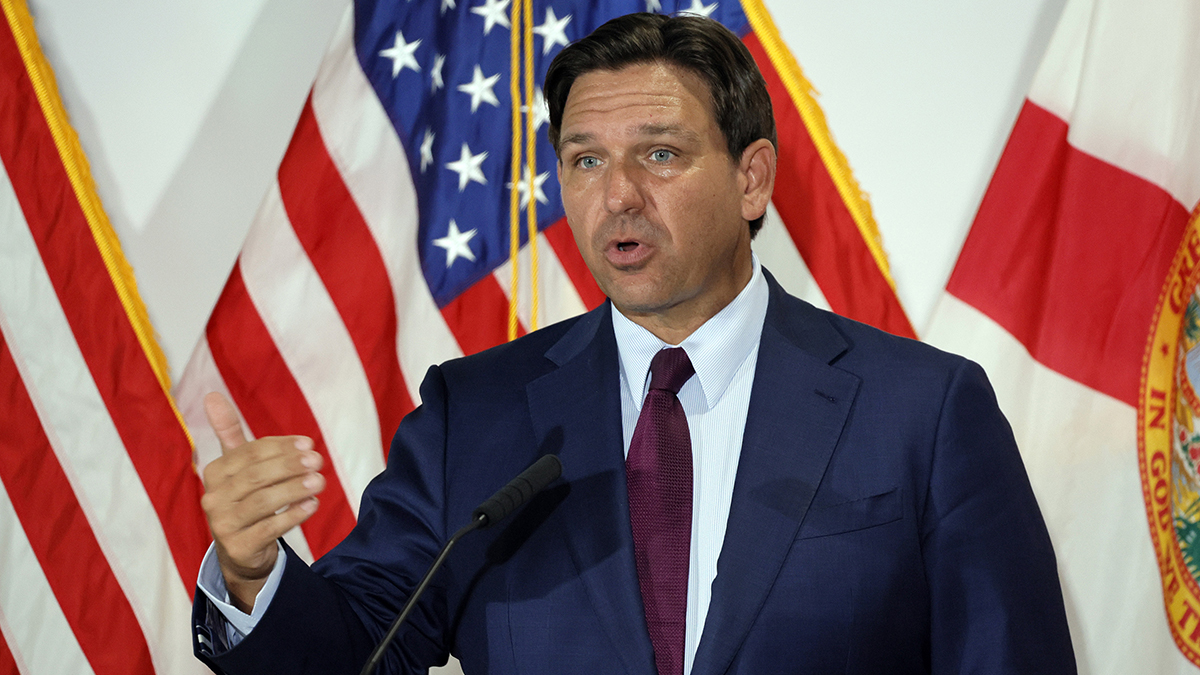
Florida homeowners — especially in hard‑hit South Florida — are set to see rare and substantial reductions in their property insurance premiums. Gov. Ron DeSantis announced an average statewide Citizens Insurance decrease of 8.7%, with even larger savings of up to 14% in counties like Miami-Dade, Broward, and Palm Beach. State officials credit recent legal and regulatory reforms for stabilizing the market, attracting new insurers, and delivering the first meaningful rate relief Floridians have seen in years.
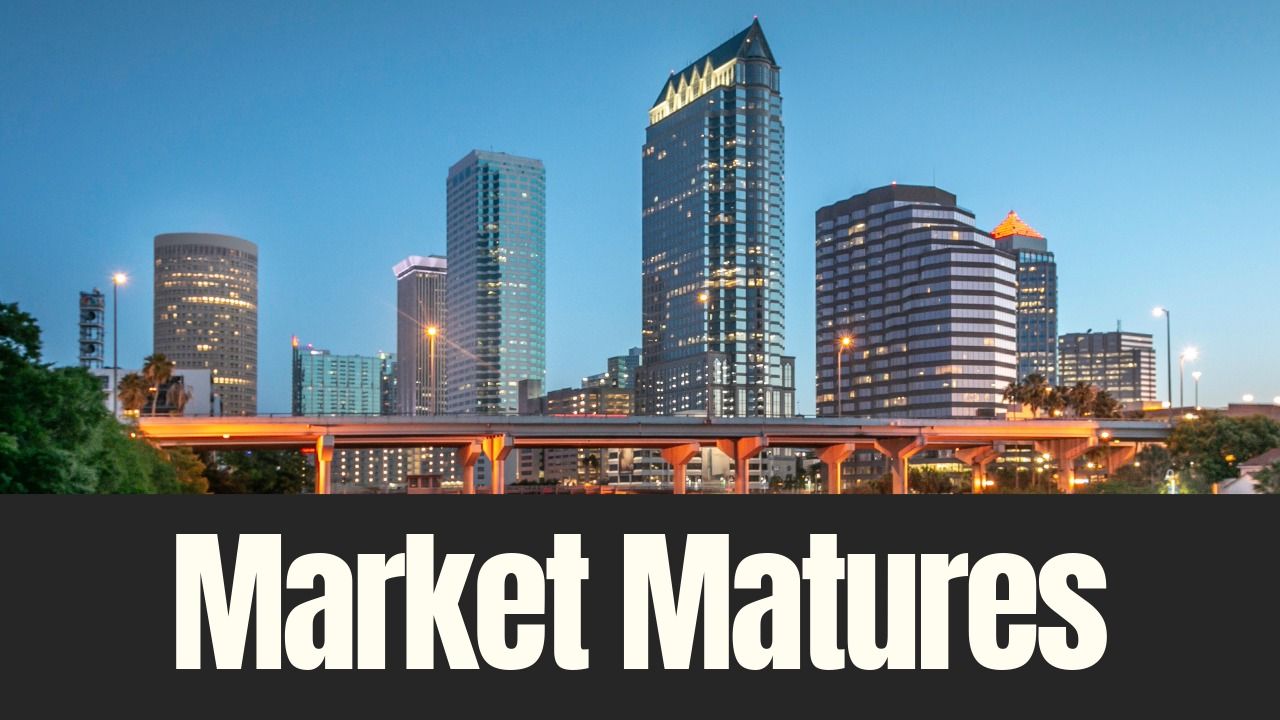
Tampa’s commercial real estate market isn’t slowing—it’s maturing. With strong population growth, rising office demand, a normalized industrial sector, resurgent retail, and an emerging health‑care real estate boom, investors are shifting from speed to strategy. Tighter underwriting, cautious capital and increased due‑diligence are shaping a more disciplined market, creating new opportunities for informed professionals.
Florida homeowners are finally seeing relief as Citizens Property Insurance announces a major 8.7% average rate decrease—far larger than originally proposed. Driven by legislative reforms, fewer lawsuits, and a calm hurricane season, the state’s once‑unstable insurance market is showing real signs of recovery. But with reduced coverage limits and shifting legal protections, experts warn that lower premiums may come with hidden trade‑offs.
After a decade of rising premiums and retreating carriers, Florida homeowners are finally seeing long‑awaited relief. Dozens of insurers have filed for rate decreases—some as high as 11%—thanks to legislative reforms and a stabilizing market. Early approvals are already hitting counties across the state, and experts say the momentum could boost buyer confidence, affordability, and competition throughout Florida’s real estate and insurance sectors.
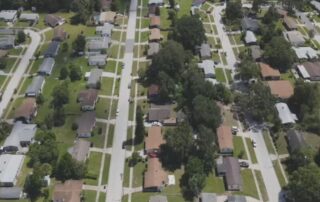
After years of slowed activity caused by rising interest rates, the self‑storage industry is heating up again. New data from Marcus & Millichap shows a fresh market cycle emerging, driven by renewed buyer confidence, recalibrated pricing, and stronger lender participation. Acquisitions are rebounding, development is resetting in a healthier direction, and financing conditions are improving—creating one of the most promising investment landscapes the sector has seen in years.
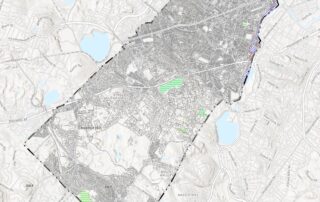
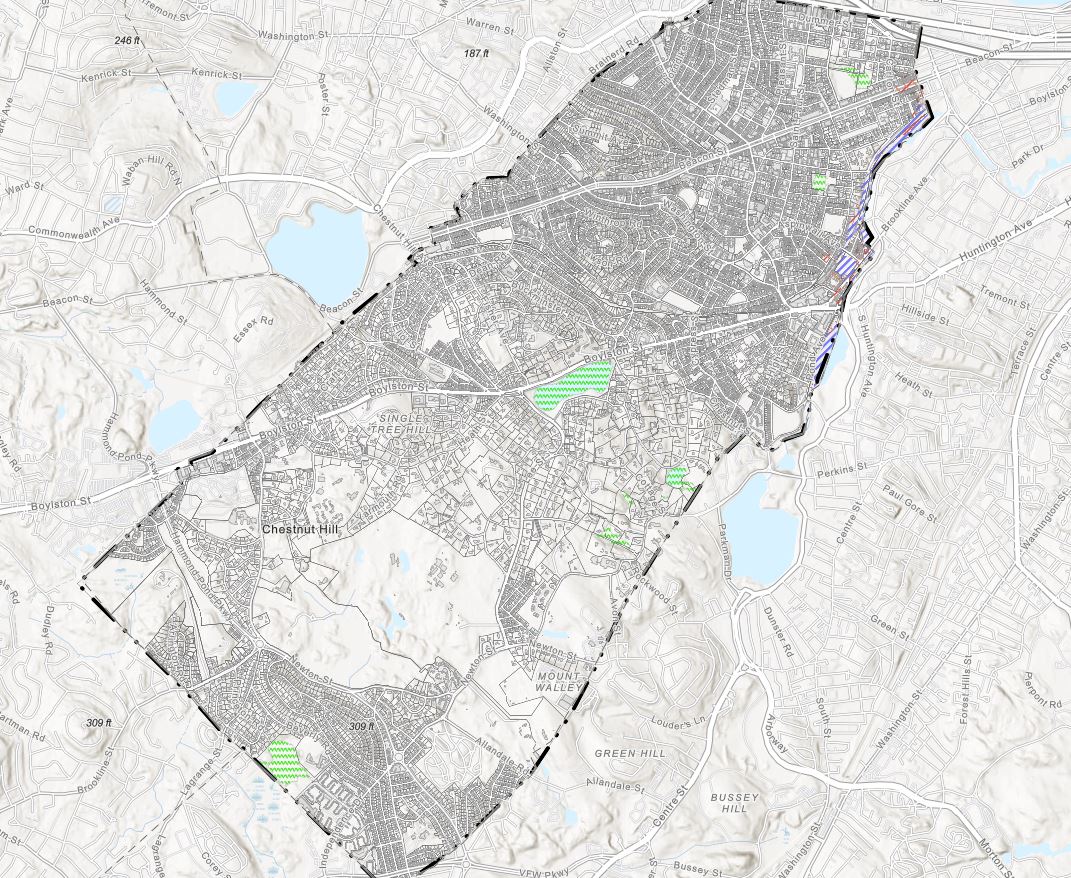
Brookline’s newly updated FEMA flood maps identify 97 high‑risk parcels, but local experts warn the true threat is far greater. While FEMA highlights river‑based flooding around Leverett Pond and the Muddy River, alternative models show more than 1,300 Brookline properties at risk within 30 years. Hidden vulnerabilities along major corridors like Beacon Street, rising rainfall intensity, aging infrastructure, and climate‑driven storm patterns suggest that many “low‑risk” areas may be anything but safe.