Cambio Secures $18M Series A To Rebuild Commercial Real Estate Workflows With AI
Cambio, an emerging force in AI-powered commercial real estate software, has secured a bold $18 million Series A round at a $100 million valuation—an impressive milestone for a company launched just two years ago. The news, first reported by Crunchbase News, signals a major leap forward for proptech innovators and global institutional investors hungry for sharper, faster, and more reliable real estate intelligence.
Turning “Messy” Building Data Into Investor-Grade Decisions
Cambio focuses on one of commercial real estate’s biggest pain points: unstructured, chaotic building data. PDFs, spreadsheets, invoices, energy audits, legal documents—you name it. These files typically bog teams down with weeks of manual analysis.
By using advanced large language models and agentic AI, Cambio transforms this maze of data into clear, actionable insights in minutes. Co-founder Leia de Guzman emphasizes that the platform doesn’t just extract data—it reasons, adapts, and builds multi-step analyses that evolve with changing regulations and market conditions.
The Global Reach
Since launching in late 2023, Cambio has expanded into 35 countries, now supporting more than 2 billion square feet of global assets. It recently opened a London headquarters to accelerate adoption across the EU and Asia-Pacific.
A Leadership Team With Deep Industry Roots
Much of Cambio’s leadership team hails from commercial real estate giants—KKR, Oxford Properties, Goldman Sachs, CBRE, and more. This experience gives the company a powerful advantage: they’re not simply patching old systems with AI; they’re rebuilding workflows from the ground up.
Maverick Ventures, the lead investor, highlighted that the founders spent decades managing institutional portfolios. This firsthand expertise enables them to solve foundational CRE workflow problems—issues most tech teams overlook entirely.
Why Cambio Matters for Today’s CRE Professionals
Commercial real estate exceeds $20 trillion in the U.S. alone, yet much of the industry still relies on manual processes. Automating even a fraction of CRE workflows unlocks massive benefits: stronger compliance, reduced operational costs, cleaner data, and far more informed capital decisions.
In 2025, real estate-related startups attracted more than $10.5 billion globally. As AI reshapes the industry, platforms like Cambio are becoming indispensable for serious institutional investors.
Looking to Break Into Commercial Real Estate or Advance Your Career?
Cameron Academy empowers aspiring and established professionals to earn licenses, upgrade credentials, and stay competitive as technology—including AI—reshapes CRE. Whether you’re pursuing a Florida real estate license or expanding your training across mortgage, insurance, finance, or medical fields, Cameron Academy delivers flexible, high‑quality online education designed for busy professionals.
Learn More and Explore the Source
For deeper insights, expert commentary, and connected funding trends, check out the full Crunchbase coverage:
Getting licensed or staying ahead in your career can be a journey—but it doesn’t have to be overwhelming. Grab your favorite coffee or tea, take a moment to relax, and browse through our articles. Whether you’re just starting out or renewing your expertise, we’ve got tips, insights, and advice to keep you moving forward. Here’s to your success—one sip and one step at a time!
Just 48 hours after NAR unveiled major revisions to its MLS policies, plaintiffs in the Michigan-based Hardy lawsuit moved to use those changes as evidence, arguing they prove NAR’s prior rules were anticompetitive. NAR denies any wrongdoing, but the case is quickly becoming a key test for whether MLS access should require Realtor membership — a question now echoing across multiple states and potentially reshaping how real estate professionals nationwide access the industry’s most essential tool.
Florida homeowners are now paying some of the highest insurance premiums in the country, with average costs topping $5,800 per year—nearly double the national average. Residents report skyrocketing rates, denied claims, and tough choices between costly coverage and financial risk. As frustration grows, lawmakers and consumer advocates are pushing new reforms aimed at increasing transparency, capping rate hikes, and protecting policyholders in one of the nation’s most volatile insurance markets.
Economic uncertainty, rapid AI adoption, tighter capital flows, and rising portfolio risk are reshaping the 2026 commercial real estate landscape. From shifting workforce patterns to a national housing attainability crisis, the industry is entering a data‑driven, fundamentals‑focused era—making adaptability, education, and tech literacy essential for real estate professionals.
Mortgage rates have climbed to 6.23 percent as investors grow doubtful that the Federal Reserve will deliver a rate cut in December. A soft but unclear jobs report and persistent inflation have pushed borrowing costs higher, reversing October’s brief relief in the housing market. Real estate and mortgage professionals should prepare clients for continued volatility as the Fed’s December meeting approaches.
After years of tight inventory, high mortgage rates, and sluggish sales, economists say 2026 is shaping up to be the turnaround real estate professionals have been waiting for. NAR projects a 14 percent jump in home sales, mortgage rates easing toward 6 percent, and buyer demand finally gaining momentum. While higher‑end homes are moving quickly, first‑time buyers continue to face affordability challenges, and price reductions are reappearing as sellers adjust to shifting conditions. For Florida agents, brokers, and newcomers, the stage is being set for a busy and opportunity‑rich year.
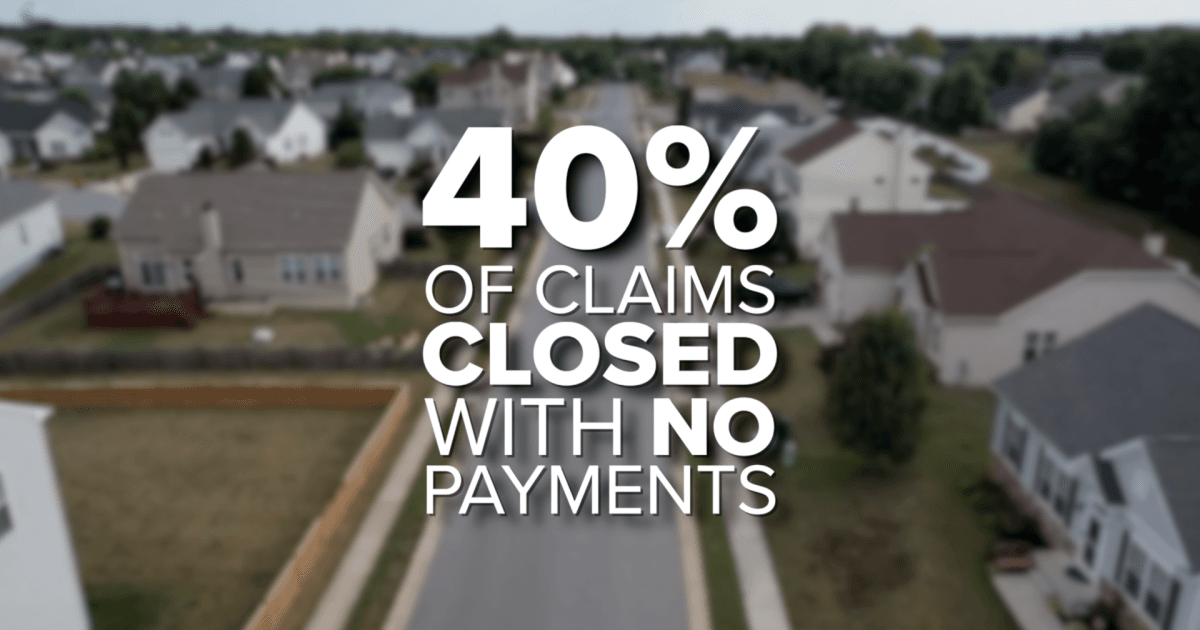
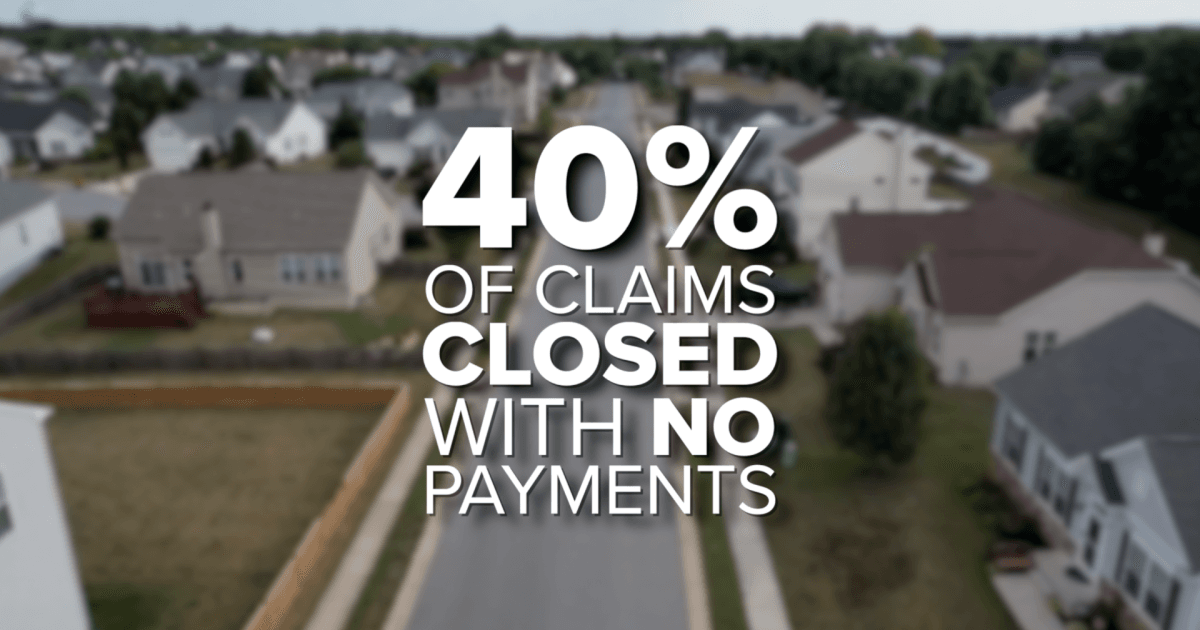
Florida’s average homeowner insurance premium has soared to $5,838 a year—almost $3,000 above the national average—pushing many residents to the financial brink. From tripled premiums to lowball claim payouts, homeowners are speaking out as frustration mounts. Some are even dropping coverage entirely. With more than 40% of claims closed without payment and policy cancellations at record levels, lawmakers are pushing for reforms, but political hurdles remain. The outcome could reshape Florida real estate, insurance, and mortgage markets for years to come.