Why Buying a Home in the Lower Tier of Pricing is Still Worth it

Are you worried about the rising prices of homes but still want to own one? Don’t give up hope just yet. Homes in the lower tier of pricing may still be 8 percent more expensive than last year but it’s not all bad news. The benefits of owning a home far outweigh the costs, even in a rising market. In this article, we will explore why you should consider buying a home in the lower price range even in these challenging times.

1. Build Equity

One of the biggest advantages of owning a home is that it allows you to build equity over time. This is the difference between the amount you owe on your home and its current value. As you pay off your mortgage and your home increases in value, your equity in the property grows. This can be used as collateral for future loans, or you can sell your home and use the profits to buy a new one or invest in other opportunities.

2. Tax Benefits

Another compelling reason to buy a home in the lower tier of pricing is the tax benefits associated with homeownership. You can usually deduct the interest you pay on your mortgage from your taxable income. This can translate into significant savings come tax season. Additionally, when you sell your home, you can exclude up to $250,000 in profits from your taxable income (or $500,000 for married couples). These tax benefits are not available to renters.

3. Stability and Security

Owning a home in the lower tier of pricing provides stability and security that renting cannot. You have control over your living situation and can make alterations to your home to suit your needs. You also have the peace of mind of knowing that you won’t be forced to move if your landlord decides to sell the property or raise the rent. This stability and security are especially important for families and retirees who value consistency in their living arrangements.

4. Homeownership is a Long-term Investment

Buying a home is a long-term investment. Even if the market fluctuates, the value of your home is likely to appreciate over time. According to Zillow, homes in the lower tier of pricing are still 8 percent more expensive than at this time last year. That means that your home is likely to increase in value, making it a valuable asset for your future. As a long-term investment, homeownership can provide financial security and peace of mind for years to come.

5. Get a Quality Home at a More Affordable Price

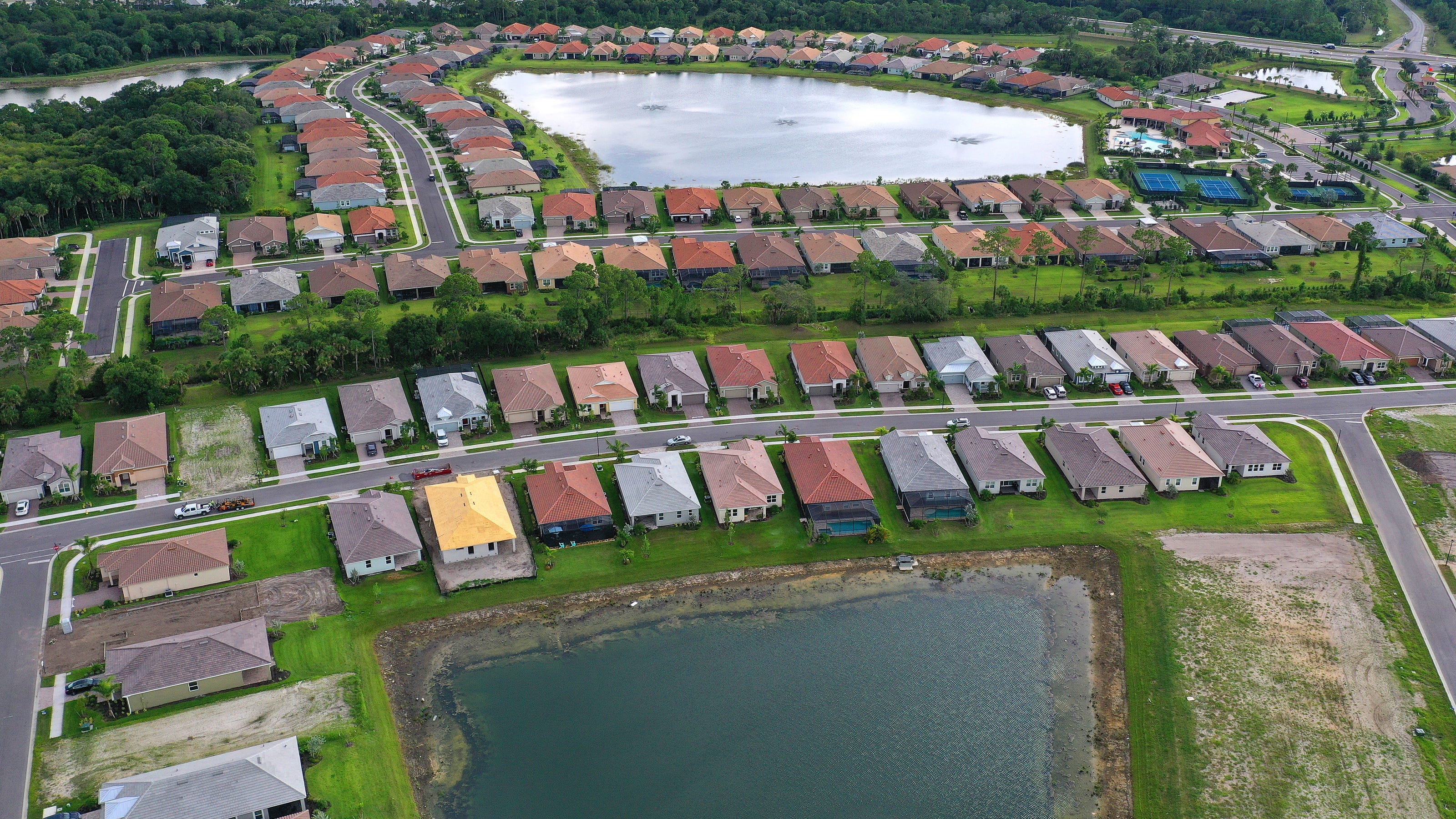
Finally, one of the most compelling reasons to buy a home in the lower tier of pricing is that you can still get a quality home at a more affordable price. While prices may have increased over the past year, homes in the lower price range are still more affordable than those in the higher tiers. You can still find a great home that meets your needs and budget without breaking the bank.

Conclusion: Why Owning a Home is Still a Great Investment

Despite rising home prices, buying a home in the lower tier of pricing is still a great investment. You can build equity, take advantage of tax benefits, enjoy stability and security, and make a long-term investment in your financial future. The benefits of owning a home far outweigh the costs, so don’t let rising prices discourage you from pursuing your dreams of homeownership. If you’re interested in learning more about real estate, mortgage, insurance, and other related fields, check out Cameron Academy’s website at Learn More About Getting a License in Real Estate, Mortgage, Insurance, & More at Cameron Academy. They offer a range of courses and resources to help you succeed in these industries.


More Articles

Getting licensed or staying ahead in your career can be a journey—but it doesn’t have to be overwhelming. Grab your favorite coffee or tea, take a moment to relax, and browse through our articles. Whether you’re just starting out or renewing your expertise, we’ve got tips, insights, and advice to keep you moving forward. Here’s to your success—one sip and one step at a time!

The Rise of Fintech: How Technology Is Reshaping Money and Modern Careers

Fintech has evolved from simple digital banking tools into a global force transforming how we pay, borrow, invest, and manage financial data. With AI, blockchain, and open banking leading the way, fintech is opening new opportunities for consumers, businesses, and professionals across real estate, mortgage, insurance, and finance.

Large CRE Deals Surge in Q3 2025 as Market Confidence Returns

After months of hesitation, the commercial real estate market showed a major resurgence in Q3 2025. Large single‑asset transactions over $10 million jumped to $76 billion — the strongest level since 2022 — signaling renewed liquidity and growing confidence among institutional buyers. While overall volumes remain below peak highs, rising deal counts, stabilizing prices, and increased activity across industrial, multifamily, office, and retail sectors point toward a market steadily moving back toward normalization.

California’s Insurance Crisis: Politics, Wildfires, and a System on the Brink

California’s property insurance market didn’t collapse overnight—it unraveled over years of political delays, soaring wildfire losses, and mounting pressure on insurers and reinsurers. As major carriers pulled out and rate approvals stalled, millions of homeowners were left scrambling for coverage under an overwhelmed FAIR Plan. At the center of the controversy stands Insurance Commissioner Ricardo Lara, whose decisions, industry ties, and behind‑the‑scenes negotiations have drawn sharp criticism. The result is a destabilized market affecting homeowners, real estate professionals, lenders, and entire communities—and the question of whether current reforms can truly fix what’s broken.

Large U.S. CRE Deals Roar Back in Q3 2025, Signaling Investor Confidence

After a slow start to the year, commercial real estate showed a major resurgence in Q3 2025 as large single‑asset deals over $10 million surged past $76 billion in volume. With 1,826 major trades and the strongest growth rate in more than a decade, investor confidence appears to be returning across U.S. markets. While overall volumes still trail the record highs of 2021–2022, the renewed momentum in big‑ticket transactions points to improving liquidity, clearer pricing, and a potentially pivotal turning point for brokers, investors, and industry professionals.

California’s Insurance Meltdown: The Crisis Reshaping Real Estate, Finance, and Insurance Nationwide

California’s property insurance market has unraveled into one of the most expensive and consequential crises in U.S. history. Major carriers pulled back, wildfire risks soared, regulators stalled, and the state’s FAIR Plan exploded in size — leaving hundreds of thousands of homeowners without affordable coverage. Now, with victims underinsured, premiums surging, and a billion‑dollar bailout looming, the fallout is spilling beyond California. For real estate, mortgage, finance, and insurance professionals across the country, this is a warning of what happens when rising climate risks collide with outdated regulatory systems.

Florida’s Next Mega-Development: Winchester Ranch Set to Add Nearly 9,000 Homes in Sarasota County

Sarasota County is on the brink of one of its largest modern expansions as the Winchester Ranch project moves closer to approval. Spanning more than 3,100 acres near North Port, the planned mega-development could bring up to 8,999 homes plus major commercial and industrial space. With construction projected to begin in 2027–2028, the community has sparked both excitement over new housing opportunities and concerns about environmental impact, placing it at the center of Florida’s ongoing growth debate.