Why Buying a Home in the Lower Tier of Pricing is Still Worth it
Are you worried about the rising prices of homes but still want to own one? Don’t give up hope just yet. Homes in the lower tier of pricing may still be 8 percent more expensive than last year but it’s not all bad news. The benefits of owning a home far outweigh the costs, even in a rising market. In this article, we will explore why you should consider buying a home in the lower price range even in these challenging times.
1. Build Equity
One of the biggest advantages of owning a home is that it allows you to build equity over time. This is the difference between the amount you owe on your home and its current value. As you pay off your mortgage and your home increases in value, your equity in the property grows. This can be used as collateral for future loans, or you can sell your home and use the profits to buy a new one or invest in other opportunities.
2. Tax Benefits
Another compelling reason to buy a home in the lower tier of pricing is the tax benefits associated with homeownership. You can usually deduct the interest you pay on your mortgage from your taxable income. This can translate into significant savings come tax season. Additionally, when you sell your home, you can exclude up to $250,000 in profits from your taxable income (or $500,000 for married couples). These tax benefits are not available to renters.
3. Stability and Security
Owning a home in the lower tier of pricing provides stability and security that renting cannot. You have control over your living situation and can make alterations to your home to suit your needs. You also have the peace of mind of knowing that you won’t be forced to move if your landlord decides to sell the property or raise the rent. This stability and security are especially important for families and retirees who value consistency in their living arrangements.
4. Homeownership is a Long-term Investment
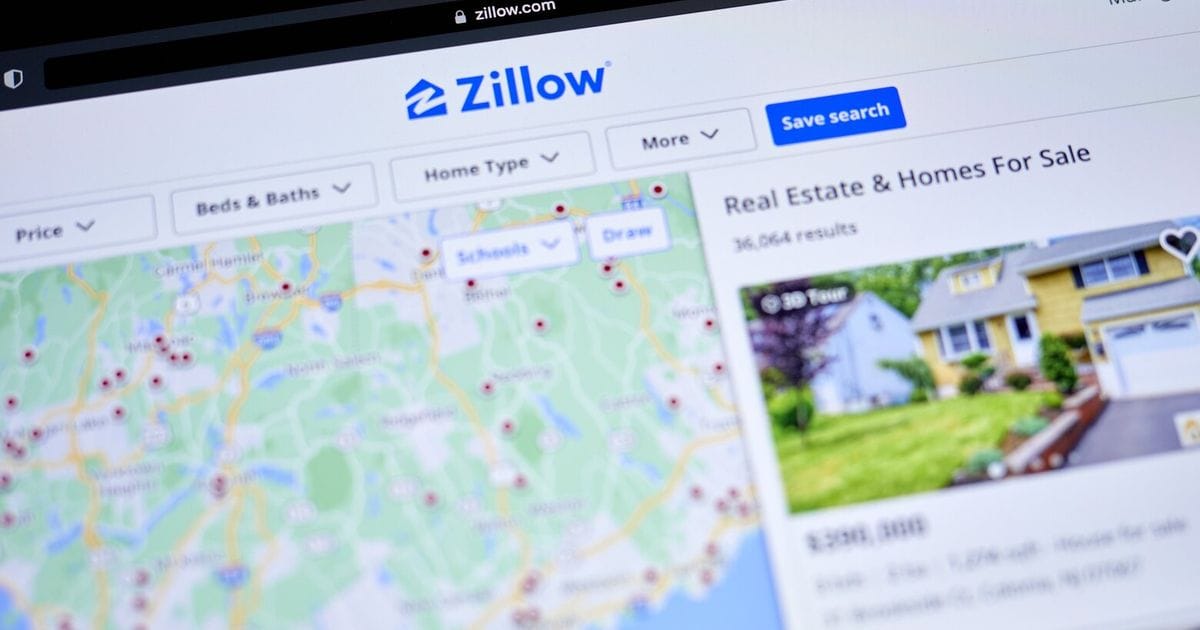
Buying a home is a long-term investment. Even if the market fluctuates, the value of your home is likely to appreciate over time. According to Zillow, homes in the lower tier of pricing are still 8 percent more expensive than at this time last year. That means that your home is likely to increase in value, making it a valuable asset for your future. As a long-term investment, homeownership can provide financial security and peace of mind for years to come.
5. Get a Quality Home at a More Affordable Price
Finally, one of the most compelling reasons to buy a home in the lower tier of pricing is that you can still get a quality home at a more affordable price. While prices may have increased over the past year, homes in the lower price range are still more affordable than those in the higher tiers. You can still find a great home that meets your needs and budget without breaking the bank.
Conclusion: Why Owning a Home is Still a Great Investment
Despite rising home prices, buying a home in the lower tier of pricing is still a great investment. You can build equity, take advantage of tax benefits, enjoy stability and security, and make a long-term investment in your financial future. The benefits of owning a home far outweigh the costs, so don’t let rising prices discourage you from pursuing your dreams of homeownership.
If you’re interested in learning more about real estate, mortgage, insurance, and other related fields, check out Cameron Academy’s website at
Learn More About Getting a License in Real Estate, Mortgage, Insurance, & More at Cameron Academy. They offer a range of courses and resources to help you succeed in these industries.