Cape Coral Faces Spike in Housing Costs Two Years After Hurricane Ian
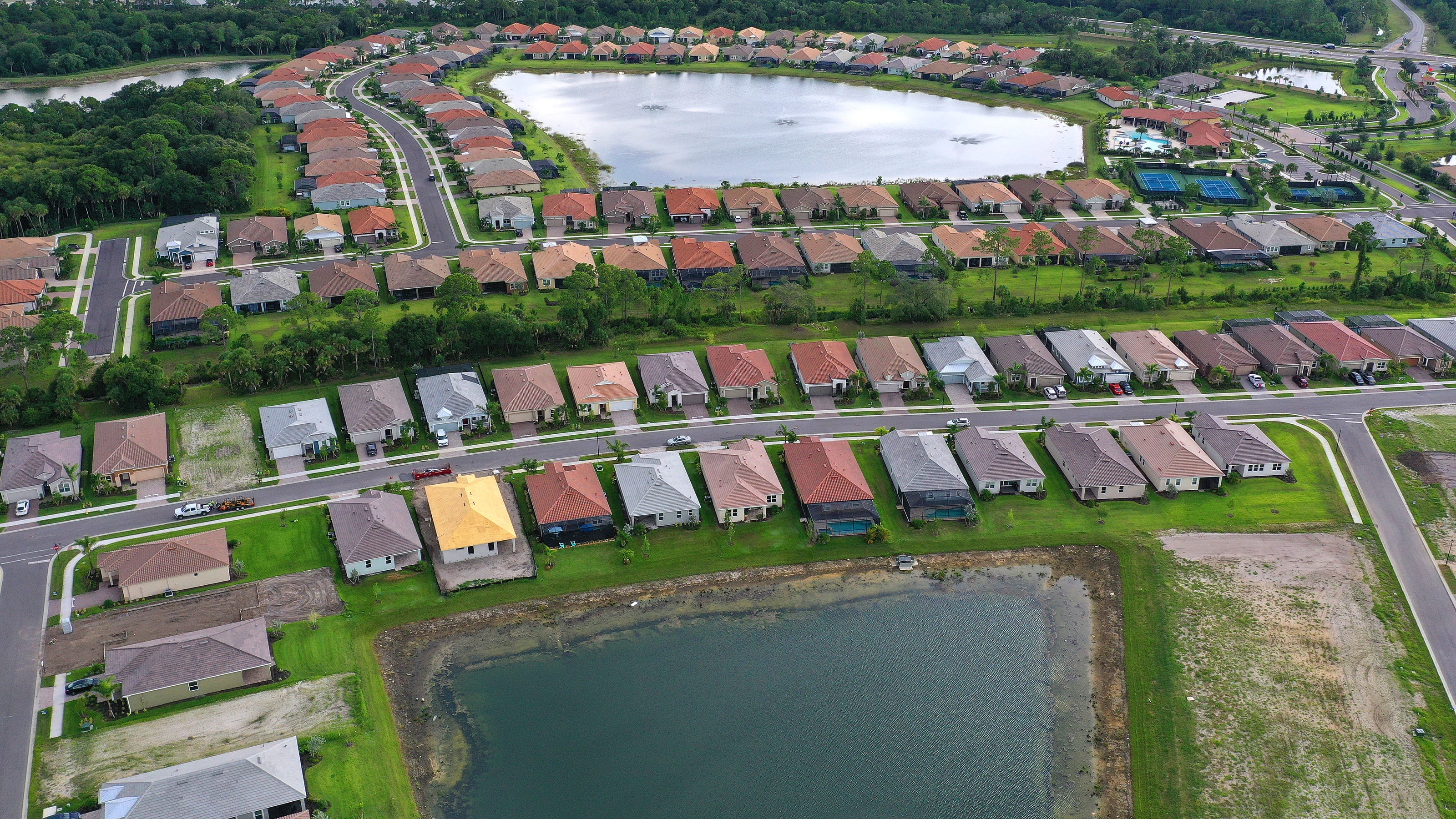
CAPE CORAL, Fla. — As the Atlantic Hurricane Season looms, forecasts indicate increased activity, casting a shadow over Florida’s southwest coast where Cape Coral is still dealing with the aftermath of Hurricane Ian. The storm, which struck over a year and a half ago, left a trail of destruction valued at more than $117 billion, impacting housing and insurance costs significantly. Many homeowners, facing unsustainable financial burdens, have put their properties on the market.
Cape Coral, with its intricate network of 400 miles of canals providing boat access to the Gulf of Mexico, attracted residents like Jerry Smith from New Jersey. He moved there during the COVID pandemic, drawn by visions of a serene Florida lifestyle. Although Smith’s home suffered only minor damage, insurance premiums have increased dramatically, posing financial challenges for locals.
In the late 1950s, developers transformed Cape Coral into what they marketed as a “waterfront wonderland,” but today, such a venture might never materialize due to environmental considerations. Realtor Sam Yaffe notes that, while Cape Coral once offered a cost advantage, recent months have seen a slowdown in sales, attributed primarily to soaring mortgage rates and rising insurance costs.
A study by First Street reveals Cape Coral has more properties at risk of flooding than any other city in Florida. Following Hurricane Ian, FEMA withdrew the city’s flood insurance discount, blaming improper rebuilding practices. The resultant 25% hike in flood insurance rates prompted Mayor John Gunter to describe the decision as “another catastrophic event.”
Cape Coral is contesting FEMA’s action, holding hearings for numerous homeowners accused of guideline violations. Among them, Sherry Oakes managed to prove minimal storm damage, yet she remains concerned about the increasing cost of living in the area, with her annual insurance bill already at $8,000.
As climate change continues to exert pressure, Jeremy Porter of First Street predicts nearly every home in Cape Coral will face flood risks by 2050. The rising insurance costs reflect these changes, posing a growing challenge to the notion of affordable coastal living.
Despite the financial hurdles, homeowner Jerry Smith believes the draw of coastal life—warmth, water access, and natural beauty—will always attract residents willing to bear the additional costs. However, with interest rates soaring, cash transactions dominate Cape Coral’s real estate market.
For further reference, see the studies linked in the original article:
Getting licensed or staying ahead in your career can be a journey—but it doesn’t have to be overwhelming. Grab your favorite coffee or tea, take a moment to relax, and browse through our articles. Whether you’re just starting out or renewing your expertise, we’ve got tips, insights, and advice to keep you moving forward. Here’s to your success—one sip and one step at a time!
Florida families are feeling the squeeze as everyday costs, insurance premiums, and homeownership barriers continue to climb. House District 102 candidate Jayden D’Onofrio is calling for a broader, more unified affordability strategy—one that tackles the state’s insurance crisis, supports first‑time homebuyers, and restores real competition in the market. His message centers on transparency, practical solutions, and keeping Florida livable for the professionals, workers, and families who power its economy.
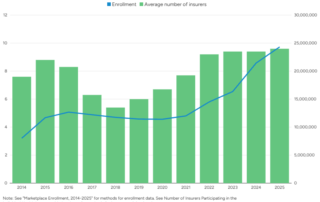
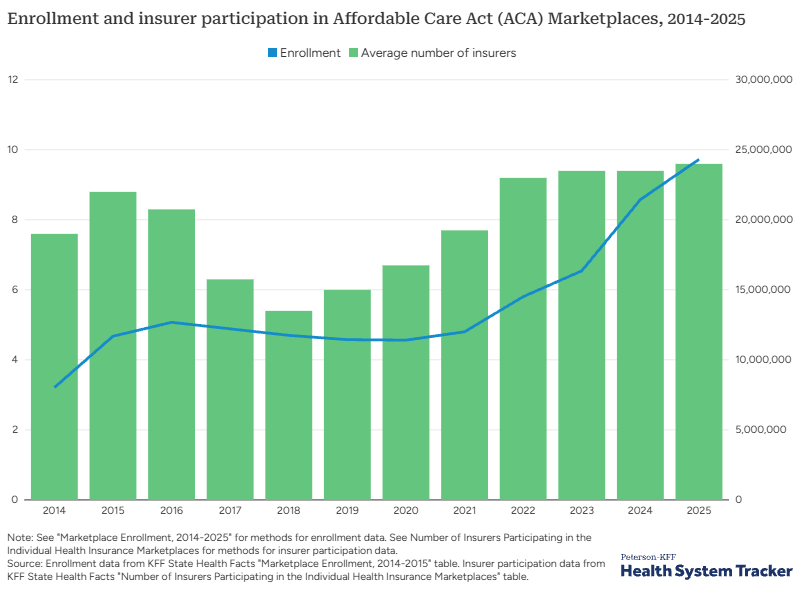
A decade of dramatic change is reshaping America’s health insurance markets. Employer group plans are becoming increasingly dominated by a few powerful insurers, while the ACA individual marketplace is experiencing record‑breaking competition and enrollment. Self‑funded plans are surging, small‑group premiums are driving employers to new coverage models, and major policy shifts in 2025 could redefine affordability for millions. This data‑driven Peterson‑KFF analysis breaks down the trends every insurance, finance, and business professional needs to understand as the industry enters a transformative new era.
Sarasota County is inching closer to approving Winchester Ranch, a massive 8,999‑home community planned for more than 3,100 acres in North Port. With a 7‑1 vote from the Planning Commission and a final decision expected in early 2026, the project could become one of Southwest Florida’s largest developments in decades—bringing new housing, commercial space, and industry while raising fresh questions about growth, the environment, and the region’s rapidly evolving real estate market.
Lument Finance Trust has closed a major $663.8 million commercial real estate CLO, marking one of the standout CRE finance deals of 2025. The transaction, LMNT 2025-FL3, features a strong reinvestment period, non‑recourse and non‑mark‑to‑market financing, and a diversified pool of 32 loans tied to 49 properties nationwide. With J.P. Morgan leading the structuring and more than $585 million placed in investment‑grade securities, the deal highlights renewed stability in transitional CRE debt—making it a development real estate and finance professionals will want to watch closely.
Walmart has partnered with Alquist 3D to roll out the nation’s first large‑scale wave of 3D‑printed commercial buildings, signaling a major shift in how future retail and industrial spaces will be constructed. After completing an 8,000‑square‑foot 3D‑printed expansion in Tennessee—the largest of its kind—the company is moving forward with over a dozen new projects nationwide, accelerating a tech‑driven transformation in commercial real estate.
Citizens Property Insurance Corp. is recommending statewide rate reductions for 2026—the first proposed decrease in more than a decade. Most Citizens policyholders could see an average 11.5% drop, reflecting recent insurance‑market reforms that have stabilized Florida’s turbulent property sector. With hundreds of thousands of policies moving back to private insurers and state‑backed Citizens shrinking to record‑low enrollment, real estate and insurance professionals should prepare for how lower premiums may influence affordability, buyer confidence, and market activity heading into 2026.