Cape Coral’s Housing Market Hits Buyer-Friendly Territory as Homes Sit 119 Days

Florida housing market illustration

The Cape Coral–Fort Myers housing market has officially shifted into buyer-favorable territory, with homes now taking a median 119 days to sell—far slower than Florida’s 98‑day median and significantly behind the national pace of 77 days. Fresh data from HousingWire confirms that this prolonged time on market signals a meaningful regional cooling that buyers and real estate professionals should watch closely.

Inventory Rises, Buyers Gain Leverage

The metro currently holds 7,910 active listings and 4.6 months of supply—noticeably higher than Florida’s 3.3 months and the U.S. average of 2.7 months. More inventory equals more negotiating power for buyers.

Even though 369 new homes hit the market this week and 444 were absorbed, accumulated inventory from previous months remains elevated, maintaining buyer-friendly conditions.

Market Snapshot at a Glance

  • 119 days median on market
  • 4.6 months of housing supply
  • 36.9% listings with price reductions
  • Median list price: $454,000

Price Reductions Reflect a Market Reset

A notable 36.9% of active listings dropped their asking prices last week, while only 1.6% increased them. The current median list price sits at $454,000—about 6.4% below the statewide median.

Interestingly, price per square foot sits nearly equal to Florida’s average ($251.7 vs. $250.5), indicating that the region’s homes maintain intrinsic value even amid price adjustments.

A Region Moving Differently Than the Rest of Florida

Cape Coral–Fort Myers stands apart from statewide patterns. Homes take nearly three extra weeks to sell compared to Florida’s median, and inventory provides far more breathing room. Compared to national trends, the divide is even more dramatic.

The data suggests a market easing out of the fast-paced frenzy of previous years, allowing buyers to move more deliberately and negotiate more assertively.

What Buyers and Sellers Should Watch

Professionals should monitor a few crucial indicators:

  • The 119-day time-on-market trend.
  • Price reduction frequency—now at 36.9%.
  • Absorption vs. new listings—currently favoring absorption.

For buyers, the moment is advantageous: more choices, slower timelines, and pricing flexibility. For sellers, strategic pricing and patience are key.

Cameron Academy’s Take

For Florida real estate students and professionals training with Cameron Academy, this market serves as a real-world case study in inventory cycles, absorption rates, and pricing trends. Our Florida real estate courses prepare you to analyze markets exactly like this—giving you confidence and expertise in shifting conditions.

Explore the Source and Go Deeper

This analysis draws from original reporting and data by HousingWire. Explore the full article here:

Read the full HousingWire market analysis

Interested in building your own custom market report?

Try HousingWire’s market report generator

Enterprise users can also explore premium data tools:

Visit HW Data Enterprise

More Articles

Getting licensed or staying ahead in your career can be a journey—but it doesn’t have to be overwhelming. Grab your favorite coffee or tea, take a moment to relax, and browse through our articles. Whether you’re just starting out or renewing your expertise, we’ve got tips, insights, and advice to keep you moving forward. Here’s to your success—one sip and one step at a time!

Florida’s Long‑Standing Condo Lending Restrictions May Finally End This December

After nearly 20 years under uniquely harsh lending rules, Florida may finally see its condo market freed from a 25% down payment requirement imposed only on the state. Industry leaders say Fannie Mae could announce changes as early as December—potentially restoring the standard 10% down payment used everywhere else in the country. Experts believe the shift would boost maintenance funding, improve affordability, and stabilize Florida’s condo market after years of strain.

Confidence Surges in Phoenix as Commercial Real Estate Rebounds in 2025

Phoenix’s commercial real estate market is shaking off years of uncertainty as broker optimism hits its highest level since interest rates began climbing. The latest ASU Commercial Broker Sentiment Index soared to 62.7, signaling strong confidence across multifamily, retail, office, and capital markets. With population growth accelerating, interest rates easing, and AI boosting industry efficiency, Phoenix is positioning itself for a powerful run into 2026—offering meaningful opportunities for both new and seasoned real estate professionals.

Michigan Lawmakers Consider Allowing All Continuing Education Hours to Be Completed Online

Michigan’s House Rules Committee heard testimony on a proposal that would let licensed professionals complete all required continuing education online. Supporters say the change would modernize outdated rules, reduce costs, and improve access for rural and busy workers. The state licensing department backs the measure, and lawmakers noted it could reshape CE options across industries from real estate to insurance and healthcare.

Florida’s Home Insurance Crisis Reaches a Breaking Point as Premiums Skyrocket

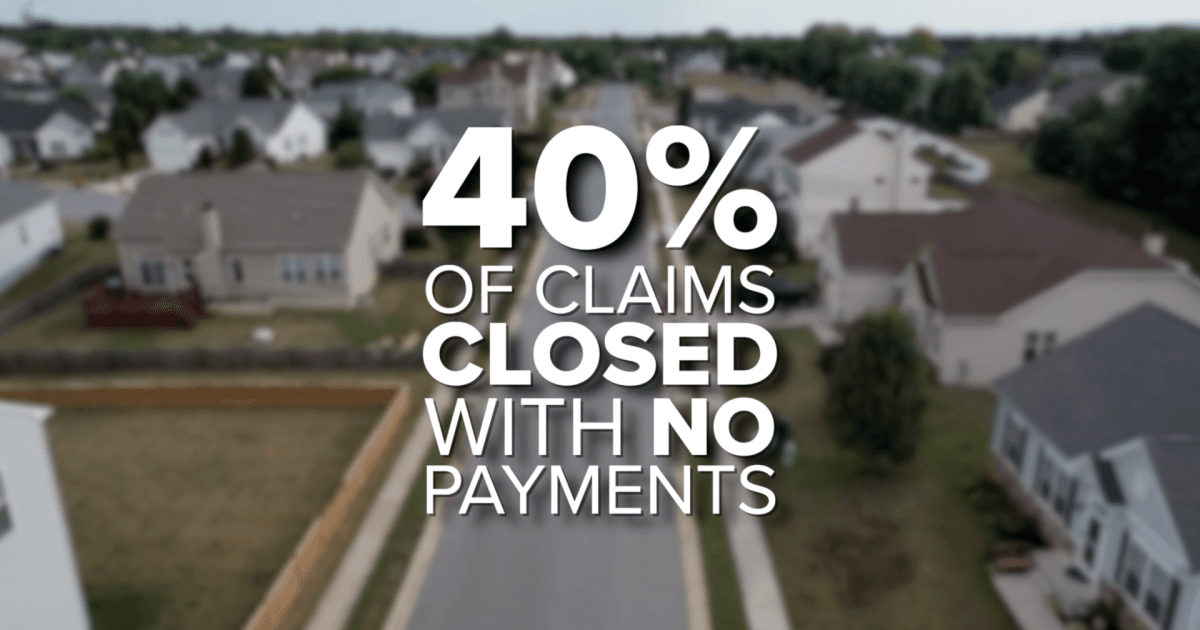
Florida homeowners are now paying an average of $5,838 per year for insurance — nearly $3,000 above the national average — making it one of the most expensive states in the country. As premiums continue to triple for some residents, many are being forced into tough decisions, from delaying home improvements to dropping coverage altogether. With more than 40% of claims closed with no payment and lawmakers pushing for aggressive reforms, the crisis is reshaping Florida’s housing market and placing growing pressure on real estate, mortgage, and insurance professionals statewide.

Griffin Funding Names John Jones SVP of Growth as It Sets Sights on $3B Non-QM Volume by 2030

Griffin Funding has elevated John Jones to Senior Vice President of Growth and EOS Integrator, marking a major step in the company’s long-term expansion strategy. Already a key operational leader since April 2025, Jones will now drive performance optimization, market expansion, and leadership development as the lender pursues an ambitious goal of reaching $3 billion in annual non-QM loan volume by 2030. His promotion underscores Griffin Funding’s commitment to scaling strategically while strengthening its position in the fast-growing non-QM space.

Why Lower Rates Still Haven’t Unlocked Commercial Real Estate

Despite recent Federal Reserve rate cuts, commercial real estate remains frozen. Long‑term Treasury yields continue to climb, keeping borrowing costs high and preventing the relief investors expected. With nearly $1 trillion in commercial loans coming due, refinancing at today’s elevated rates is squeezing owners, slowing transactions, and creating a widening gap between buyers and sellers. For patient, well‑capitalized investors, this period of recalibration may offer some of the strongest opportunities in years.