Cape Coral’s Housing Market Hits Buyer-Friendly Territory as Homes Sit 119 Days

Florida housing market illustration

The Cape Coral–Fort Myers housing market has officially shifted into buyer-favorable territory, with homes now taking a median 119 days to sell—far slower than Florida’s 98‑day median and significantly behind the national pace of 77 days. Fresh data from HousingWire confirms that this prolonged time on market signals a meaningful regional cooling that buyers and real estate professionals should watch closely.

Inventory Rises, Buyers Gain Leverage

The metro currently holds 7,910 active listings and 4.6 months of supply—noticeably higher than Florida’s 3.3 months and the U.S. average of 2.7 months. More inventory equals more negotiating power for buyers.

Even though 369 new homes hit the market this week and 444 were absorbed, accumulated inventory from previous months remains elevated, maintaining buyer-friendly conditions.

Market Snapshot at a Glance

  • 119 days median on market
  • 4.6 months of housing supply
  • 36.9% listings with price reductions
  • Median list price: $454,000

Price Reductions Reflect a Market Reset

A notable 36.9% of active listings dropped their asking prices last week, while only 1.6% increased them. The current median list price sits at $454,000—about 6.4% below the statewide median.

Interestingly, price per square foot sits nearly equal to Florida’s average ($251.7 vs. $250.5), indicating that the region’s homes maintain intrinsic value even amid price adjustments.

A Region Moving Differently Than the Rest of Florida

Cape Coral–Fort Myers stands apart from statewide patterns. Homes take nearly three extra weeks to sell compared to Florida’s median, and inventory provides far more breathing room. Compared to national trends, the divide is even more dramatic.

The data suggests a market easing out of the fast-paced frenzy of previous years, allowing buyers to move more deliberately and negotiate more assertively.

What Buyers and Sellers Should Watch

Professionals should monitor a few crucial indicators:

  • The 119-day time-on-market trend.
  • Price reduction frequency—now at 36.9%.
  • Absorption vs. new listings—currently favoring absorption.

For buyers, the moment is advantageous: more choices, slower timelines, and pricing flexibility. For sellers, strategic pricing and patience are key.

Cameron Academy’s Take

For Florida real estate students and professionals training with Cameron Academy, this market serves as a real-world case study in inventory cycles, absorption rates, and pricing trends. Our Florida real estate courses prepare you to analyze markets exactly like this—giving you confidence and expertise in shifting conditions.

Explore the Source and Go Deeper

This analysis draws from original reporting and data by HousingWire. Explore the full article here:

Read the full HousingWire market analysis

Interested in building your own custom market report?

Try HousingWire’s market report generator

Enterprise users can also explore premium data tools:

Visit HW Data Enterprise

More Articles

Getting licensed or staying ahead in your career can be a journey—but it doesn’t have to be overwhelming. Grab your favorite coffee or tea, take a moment to relax, and browse through our articles. Whether you’re just starting out or renewing your expertise, we’ve got tips, insights, and advice to keep you moving forward. Here’s to your success—one sip and one step at a time!

Malware Trends 2025: The New Era of Subscription‑Based Cybercrime

Cybercrime in 2025 has evolved into a full‑scale service economy, with malware now available through subscription platforms that operate like mainstream tech businesses. Bitsight’s latest analysis reveals explosive growth in Malware‑as‑a‑Service tools, rising attacks across industries like healthcare, finance, tech, and real estate, and a surge in cross‑platform malware and supply‑chain exploits. For professionals in any licensed field, the message is clear: today’s digital landscape demands heightened vigilance, stronger identity security, and proactive defense against an increasingly organized underground threat environment.

The Proptech Revolution: How Gllit Is Making Real Estate Transactions as Simple as Booking a Flight

A new proptech startup in the UAE, Gllit is redefining how property deals happen by removing agents, eliminating commissions, and integrating AI tools that let users create professional listings in seconds. With a fast, transparent, and direct-to-owner model, Gllit offers a glimpse into the future of global real estate — and a powerful case study for U.S. professionals preparing for tech-driven changes in the industry.

2026 Housing Market Outlook: What Buyers, Renters, and Agents Need to Know

The 2026 housing market is shaping up to be a year of stability with a few surprises. Mortgage rates are expected to hold steady, home price growth is slowing, and yet ownership costs continue to rise due to soaring taxes and insurance. Meanwhile, renting is becoming more attractive as affordability improves and built‑to‑rent communities expand. This breakdown highlights the biggest trends ahead — and what they mean for buyers, sellers, and real estate professionals, especially in Florida.

Florida Homeowners Slammed by Soaring Insurance Costs as Lawmakers Push for Major Reform

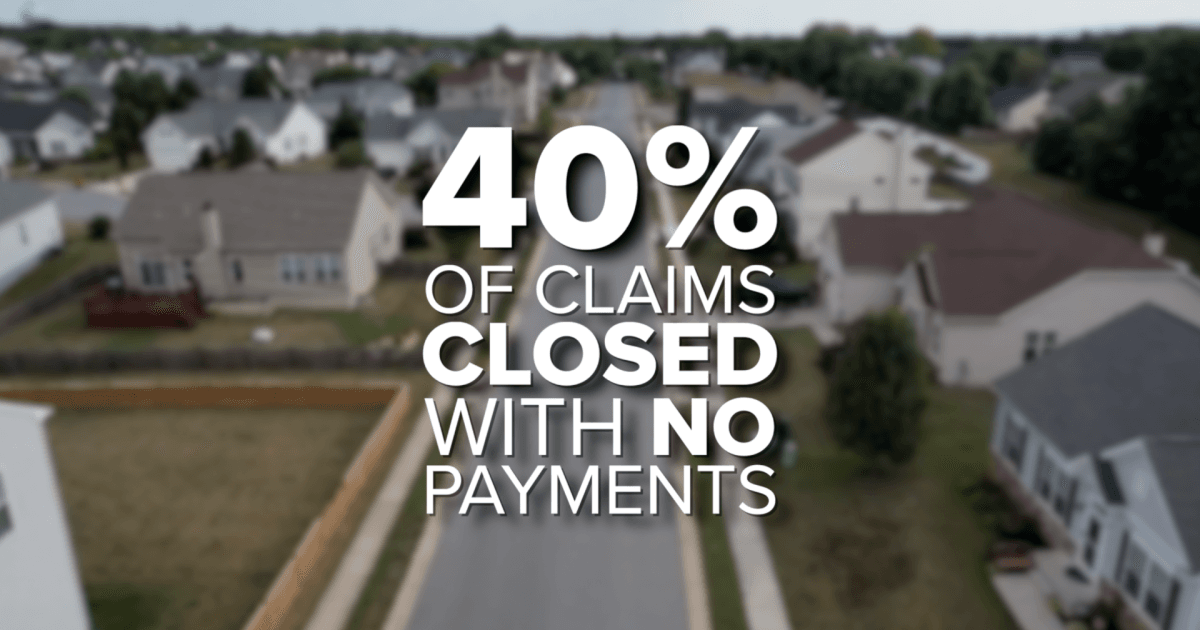
Florida homeowners are facing some of the highest insurance premiums in the nation, with average costs now topping $5,800 per year—about $3,000 above the U.S. average. Many residents report their rates have doubled or even tripled, while more than 40 percent of claims are closed with no payment. As frustration grows, state lawmakers and consumer advocates are pushing for transparency, rate caps, and incentives to help storm‑proof homes. The outcome of these reform efforts could reshape Florida’s real estate market, insurance landscape, and affordability for years to come.

Are Insurance Leaders Stuck in Silos? New Global Study Exposes a Hidden Weakness in Decision‑Making

A new global study from Risk.net and SAS reveals that many insurance companies are still making key decisions in isolated silos, despite industry-wide pushes toward data-driven strategies. While most leaders claim to have a clear vision, 38 percent admit they lack a real-time view of risks, revenue and costs. With poor data quality, limited collaboration and outdated processes holding teams back, experts say the industry is poised for a major transformation through AI, analytics and unified strategy—offering lessons for professionals across insurance, real estate, finance and other regulated fields.

Atlanta Housing Market Outlook 2025–2026: Stability, Rising Inventory, and What It Means for You

Atlanta’s housing market is shifting into a more balanced and predictable phase. Prices have leveled off, inventory has finally caught up, and mortgage rates are easing enough to bring buyers back into the game. With steady demand, growing listings, and only mild price corrections forecasted into 2026, Atlanta remains one of the Southeast’s strongest real estate markets for buyers, sellers, and investors alike.