CDK Global’s Cyberattack Disrupts U.S. Car Dealerships
In a significant cyberattack that has disrupted operations across the United States, CDK Global, a leading provider of cloud-based software to automotive dealerships, was forced to shut down most of its systems. This precautionary measure, described as taken “out of an abundance of caution” by spokesperson Lisa Finney, left dealerships resorting to manual, handwritten forms to continue operations.
CDK Global, which supports over 15,000 retail locations in North America, began a system restoration process that is expected to take several days. The company had initially restored some systems, but a subsequent cyberattack forced them offline again. This incident has highlighted the vulnerabilities and rising trend of cyberattacks targeting the auto industry.
Ransom Demands and Cybersecurity Challenges
According to a report by Bloomberg News, an insider revealed that a group believed to be based in Eastern Europe is demanding tens of millions of dollars in ransom. There are rumors that CDK might comply with the demands, though this remains unconfirmed.
The incident underscores the urgent need for fortified cybersecurity measures within the auto industry. Despite CDK Global’s emphasis on a robust cybersecurity strategy, the attack has exposed significant challenges in mitigating such threats. This situation is not isolated, as a recent attack on Findlay Automotive Group further illustrates the growing threat to dealerships.
Dealerships Adapting to Challenges
Dealerships like Northtown Automotive Companies in Buffalo, New York, have implemented contingency plans that allowed them to continue operations using manual methods. Craig Schreiber, one of the company’s owners, noted that their preparedness enabled them to go “old school” with handwritten forms, though he acknowledged the inevitable backlog once systems are restored.
Eric Watson, vice president of sales operations for Kia America, acknowledged the disruption to “many Kia Dealers” using CDK’s platform and advised them to rely on manual tools in the interim. This advice reflects a broader need for dealerships to enhance their preparedness against cyber threats.
Why Are Dealerships Targeted?
Car dealerships have become attractive targets for cybercriminals due to the vast amounts of sensitive customer data they hold, including credit applications and financial information. A 2023 report from CDK highlighted that 17% of surveyed dealers experienced a cyberattack in the past year, with 46% reporting negative financial or operational impacts.
The interconnected nature of dealership systems with external interfaces and often outdated software further exacerbates their vulnerability, as noted in a 2023 article from Zurich North America.
“`
More Articles
Getting licensed or staying ahead in your career can be a journey—but it doesn’t have to be overwhelming. Grab your favorite coffee or tea, take a moment to relax, and browse through our articles. Whether you’re just starting out or renewing your expertise, we’ve got tips, insights, and advice to keep you moving forward. Here’s to your success—one sip and one step at a time!
Just 48 hours after NAR unveiled major revisions to its MLS policies, plaintiffs in the Michigan-based Hardy lawsuit moved to use those changes as evidence, arguing they prove NAR’s prior rules were anticompetitive. NAR denies any wrongdoing, but the case is quickly becoming a key test for whether MLS access should require Realtor membership — a question now echoing across multiple states and potentially reshaping how real estate professionals nationwide access the industry’s most essential tool.
Florida homeowners are now paying some of the highest insurance premiums in the country, with average costs topping $5,800 per year—nearly double the national average. Residents report skyrocketing rates, denied claims, and tough choices between costly coverage and financial risk. As frustration grows, lawmakers and consumer advocates are pushing new reforms aimed at increasing transparency, capping rate hikes, and protecting policyholders in one of the nation’s most volatile insurance markets.
Economic uncertainty, rapid AI adoption, tighter capital flows, and rising portfolio risk are reshaping the 2026 commercial real estate landscape. From shifting workforce patterns to a national housing attainability crisis, the industry is entering a data‑driven, fundamentals‑focused era—making adaptability, education, and tech literacy essential for real estate professionals.
Mortgage rates have climbed to 6.23 percent as investors grow doubtful that the Federal Reserve will deliver a rate cut in December. A soft but unclear jobs report and persistent inflation have pushed borrowing costs higher, reversing October’s brief relief in the housing market. Real estate and mortgage professionals should prepare clients for continued volatility as the Fed’s December meeting approaches.
After years of tight inventory, high mortgage rates, and sluggish sales, economists say 2026 is shaping up to be the turnaround real estate professionals have been waiting for. NAR projects a 14 percent jump in home sales, mortgage rates easing toward 6 percent, and buyer demand finally gaining momentum. While higher‑end homes are moving quickly, first‑time buyers continue to face affordability challenges, and price reductions are reappearing as sellers adjust to shifting conditions. For Florida agents, brokers, and newcomers, the stage is being set for a busy and opportunity‑rich year.
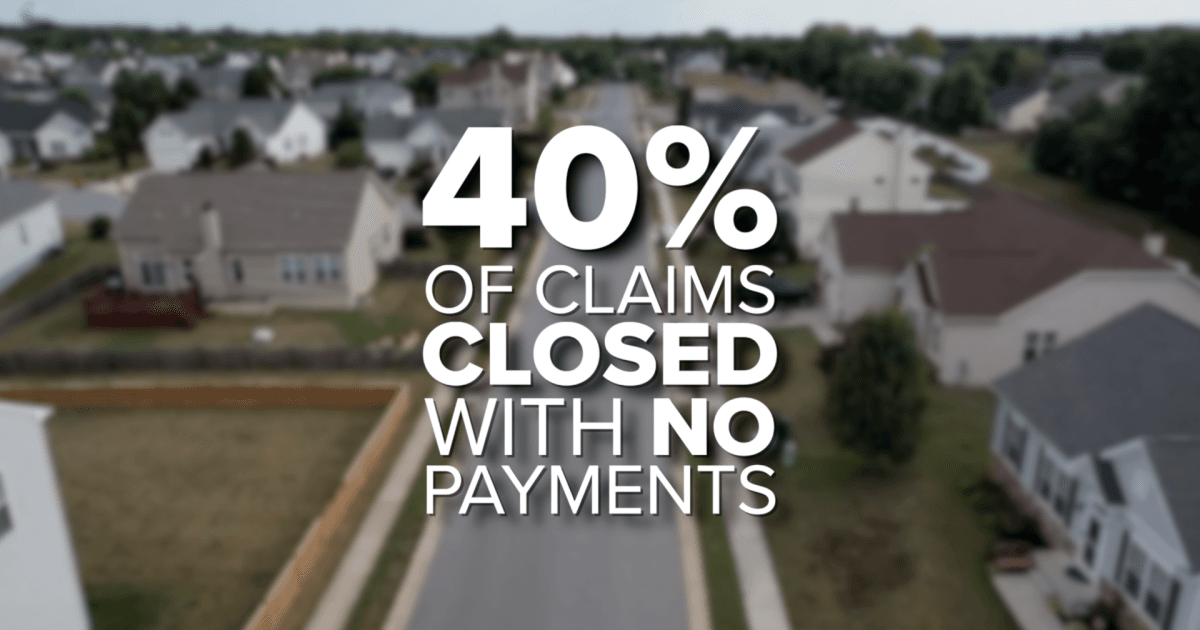
Florida’s average homeowner insurance premium has soared to $5,838 a year—almost $3,000 above the national average—pushing many residents to the financial brink. From tripled premiums to lowball claim payouts, homeowners are speaking out as frustration mounts. Some are even dropping coverage entirely. With more than 40% of claims closed without payment and policy cancellations at record levels, lawmakers are pushing for reforms, but political hurdles remain. The outcome could reshape Florida real estate, insurance, and mortgage markets for years to come.