CDK Global’s Cyberattack Disrupts U.S. Car Dealerships
In a significant cyberattack that has disrupted operations across the United States, CDK Global, a leading provider of cloud-based software to automotive dealerships, was forced to shut down most of its systems. This precautionary measure, described as taken “out of an abundance of caution” by spokesperson Lisa Finney, left dealerships resorting to manual, handwritten forms to continue operations.
CDK Global, which supports over 15,000 retail locations in North America, began a system restoration process that is expected to take several days. The company had initially restored some systems, but a subsequent cyberattack forced them offline again. This incident has highlighted the vulnerabilities and rising trend of cyberattacks targeting the auto industry.
Ransom Demands and Cybersecurity Challenges
According to a report by Bloomberg News, an insider revealed that a group believed to be based in Eastern Europe is demanding tens of millions of dollars in ransom. There are rumors that CDK might comply with the demands, though this remains unconfirmed.
The incident underscores the urgent need for fortified cybersecurity measures within the auto industry. Despite CDK Global’s emphasis on a robust cybersecurity strategy, the attack has exposed significant challenges in mitigating such threats. This situation is not isolated, as a recent attack on Findlay Automotive Group further illustrates the growing threat to dealerships.
Dealerships Adapting to Challenges
Dealerships like Northtown Automotive Companies in Buffalo, New York, have implemented contingency plans that allowed them to continue operations using manual methods. Craig Schreiber, one of the company’s owners, noted that their preparedness enabled them to go “old school” with handwritten forms, though he acknowledged the inevitable backlog once systems are restored.
Eric Watson, vice president of sales operations for Kia America, acknowledged the disruption to “many Kia Dealers” using CDK’s platform and advised them to rely on manual tools in the interim. This advice reflects a broader need for dealerships to enhance their preparedness against cyber threats.
Why Are Dealerships Targeted?
Car dealerships have become attractive targets for cybercriminals due to the vast amounts of sensitive customer data they hold, including credit applications and financial information. A 2023 report from CDK highlighted that 17% of surveyed dealers experienced a cyberattack in the past year, with 46% reporting negative financial or operational impacts.
The interconnected nature of dealership systems with external interfaces and often outdated software further exacerbates their vulnerability, as noted in a 2023 article from Zurich North America.
“`
More Articles
Getting licensed or staying ahead in your career can be a journey—but it doesn’t have to be overwhelming. Grab your favorite coffee or tea, take a moment to relax, and browse through our articles. Whether you’re just starting out or renewing your expertise, we’ve got tips, insights, and advice to keep you moving forward. Here’s to your success—one sip and one step at a time!
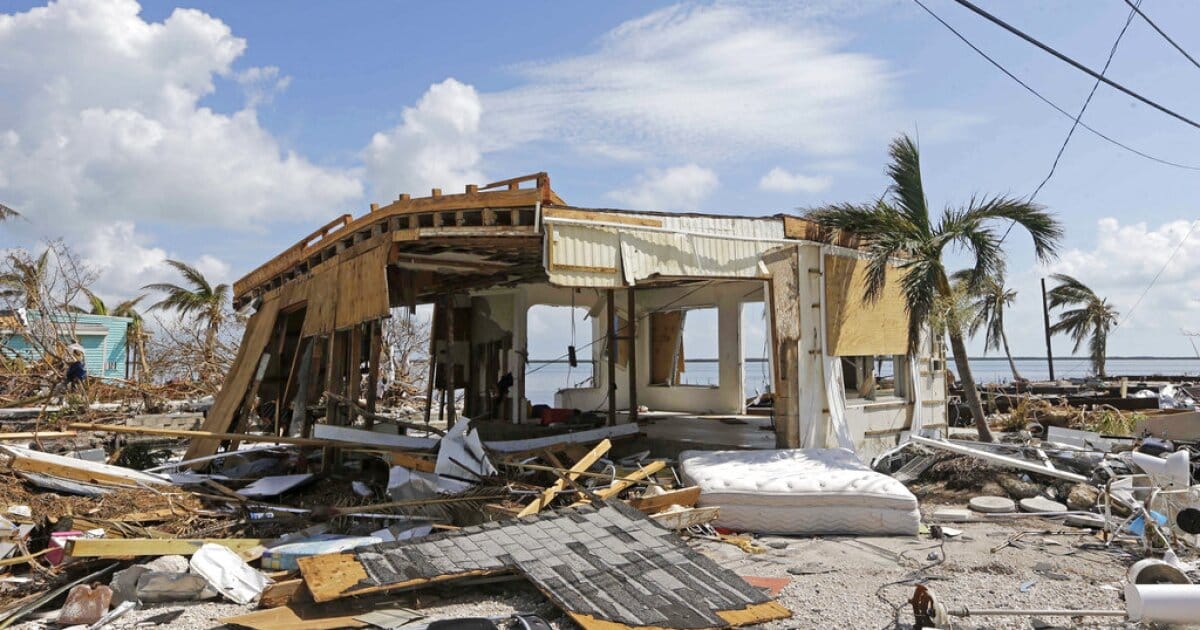
Skyrocketing insurance premiums and soaring rebuilding costs are transforming communities across Southwest Florida, especially in the wake of Hurricane Ian. As longtime residents struggle to keep up with rising financial pressure, wealthier newcomers and stricter building standards are reshaping the identity of places like Fort Myers Beach. With insurance rates now driving home sales, triggering potential foreclosures, and squeezing both owners and renters, Florida’s middle-class families face a growing question: can they afford to stay in the state they love?
Florida’s insurance industry is stabilizing fast, with nearly 1.6 million policies shifting from Citizens to private insurers and litigation dropping sharply. Regulators report stronger market confidence, decreasing premiums, and renewed competition—signaling one of the healthiest periods the state has seen in years.
A Leon County judge has ordered the restart of arbitration for Citizens Property Insurance claims, directly conflicting with a previous ruling that halted the process as potentially unconstitutional. With more than 400 cases now back in motion, real estate, insurance, and mortgage professionals can expect renewed activity in claim disputes and fresh uncertainty as Florida courts clash over the legality of Citizens’ arbitration system.
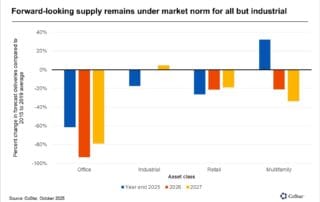
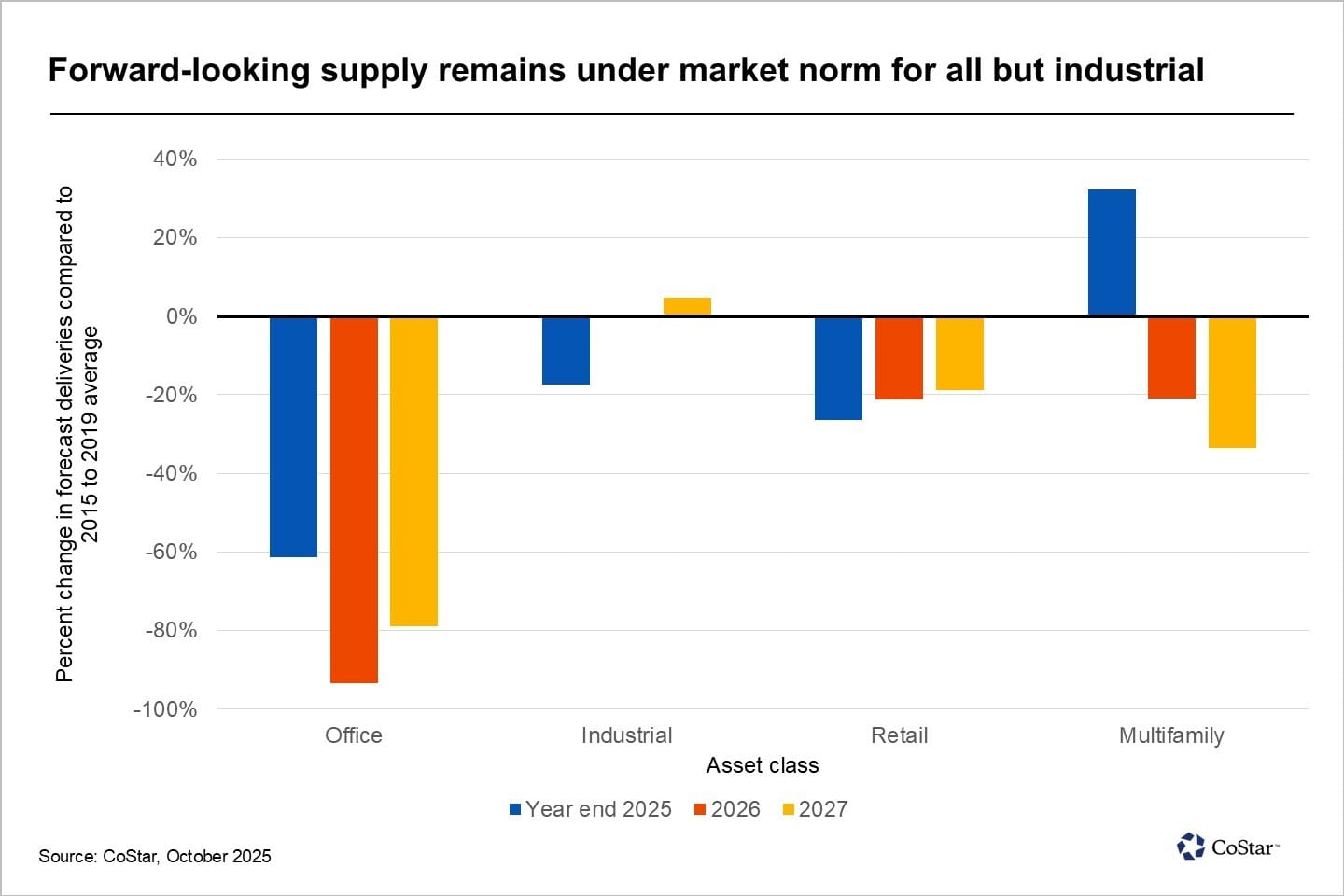
The DFW market is transitioning into a new construction phase marked by a slowdown in office development, a more selective approach to industrial projects, and an evolving housing landscape shaped by affordability and population growth. Developers are recalibrating their priorities, and for real estate professionals, understanding these shifts offers a critical edge in navigating—and capitalizing on—the next phase of the metroplex’s growth.
A new federal lawsuit claims Zillow pushed homebuyers toward Zillow Home Loans by rewarding affiliated agents with valuable leads — all without proper disclosure. The suit alleges undisclosed incentives, referral quotas, and potential RESPA violations, raising major concerns about steering, fiduciary duties, and Zillow’s expanding mortgage ambitions.
The mortgage industry is evolving fast, and the lenders who come out on top will be those who innovate without uprooting what already works. By building on strong technology foundations, streamlining workflows and adopting smart automation, lenders can reduce costs, improve customer experience and stay resilient in any market cycle. This article breaks down why innovation matters now, how a stable tech ecosystem protects lenders in volatile conditions and why small, strategic steps can drive long-term transformation.