Cedar City’s Creative Answer to Rising Home Prices: Luxury Feel, Attainable Cost

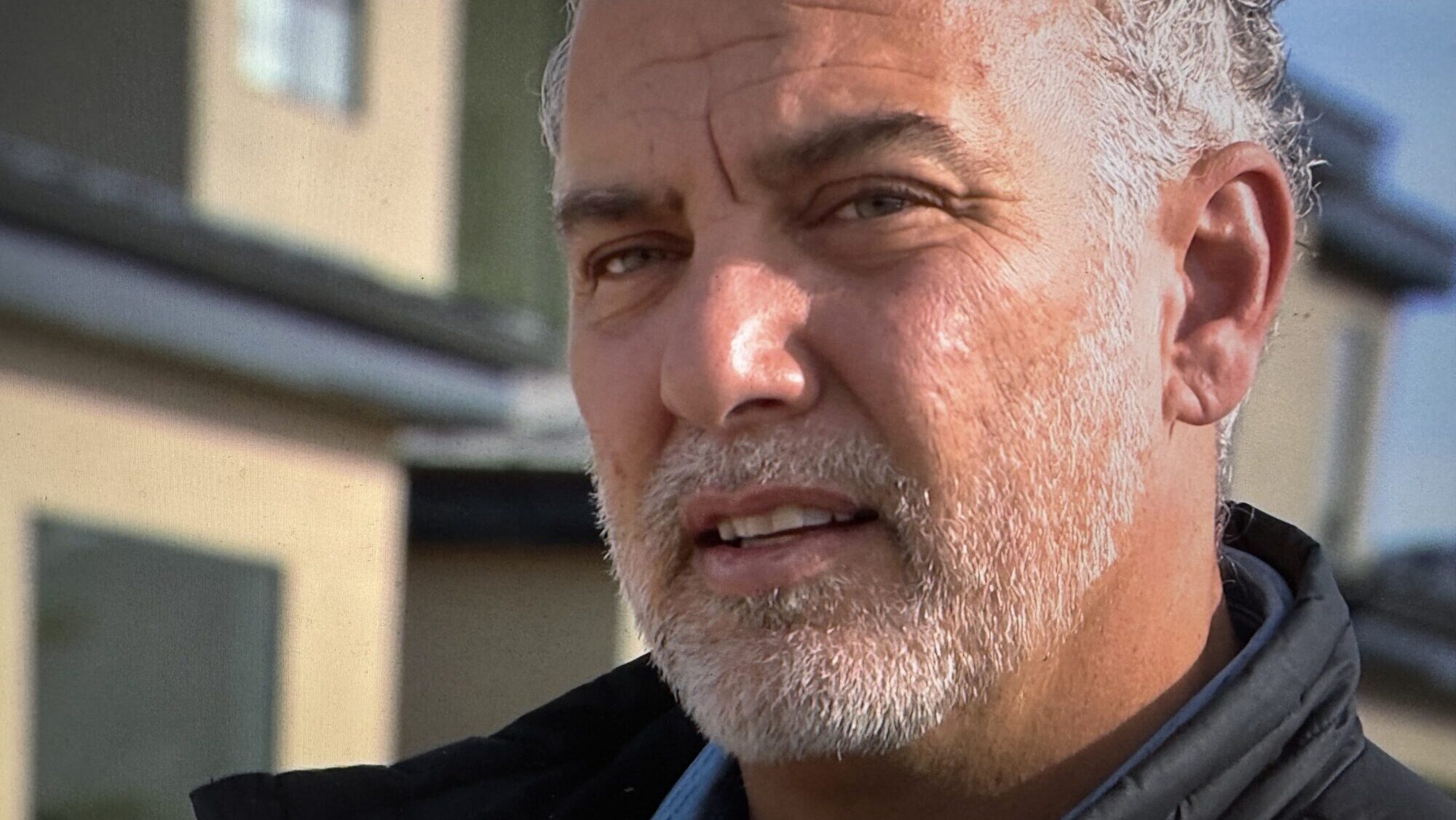
Home builder standing outside modern home

As home prices across Utah continue their steady climb, one Cedar City builder is rethinking how affordability and quality can coexist in today’s market. Their solution is gaining attention—not just for its price point, but for how it challenges industry norms during one of the tightest housing shortages in the nation.

The team behind Temple View Commons, a new 160‑unit development in Iron County, has adopted an unconventional but intentional strategy: a small staff, hands‑on leadership, and no realtors. According to director of operations Jarrod Grannum, this approach keeps costs controlled without sacrificing the upscale features buyers crave.

A Small Team With Big Intentions

“I wear multiple hats, our general contractor, our owner’s wife—she’s our designer,” Grannum said in an interview with KSL TV. “We all are just willing to get dirty, get in the mud and take on whatever task is assigned to us.”

Their mission? Make homeownership accessible while delivering finishes typically reserved for premium builds.

“These are luxury twin homes, upgraded features, large backyards,” Grannum explained. “Right now, the average median price in Iron County was $430,000. That’s my two‑story option. We’re just below that. My one‑story option is essentially $40,000 less.”

Utah’s Housing Market: High Demand, Limited Inventory

Utah remains one of the top 10 most expensive housing markets in the country, according to new statewide housing research. With a shortage estimated in the tens of thousands of units, prices have stayed elevated—even as interest rates shift.

Governor Spencer Cox has called for the development of 35,000 new starter homes by 2028, noting the state has “a long ways to go” but remains optimistic about improving economic conditions. His full remarks are available here.

Luxury Touches at Accessible Prices

The Temple View Commons team also draws inspiration from high‑end properties built in St. George—another region experiencing rapid growth and rising costs. Their philosophy is simple: if luxury is attainable for a few, it should be enjoyable for many.

“Why don’t we take some of these features and styles that we do in these luxury homes and put it into more affordable housing so that everybody can enjoy what the ‘few’ has always enjoyed,” Grannum said.

What This Means for Real Estate Professionals

For agents, developers, and the next generation of real estate talent, projects like this emphasize a critical shift: buyers want homes that feel premium—even when priced responsibly.

Professionals looking to stay competitive can benefit from modern education. Cameron Academy provides licensing and continuing education across real estate, mortgage, insurance, and more—helping today’s workforce stay ahead of affordability and design trends.

Want to Explore More Stories on Housing Affordability?

See how Utah families are navigating rising costs in this related story: How some Utah families are trying to find an affordable home

More Articles

Getting licensed or staying ahead in your career can be a journey—but it doesn’t have to be overwhelming. Grab your favorite coffee or tea, take a moment to relax, and browse through our articles. Whether you’re just starting out or renewing your expertise, we’ve got tips, insights, and advice to keep you moving forward. Here’s to your success—one sip and one step at a time!

Florida’s Property Insurance Crisis Reaches Breaking Point as Lawmakers Hit Pause

Florida now leads the nation in property insurance costs, with many homeowners paying more than $10,000 a year for shrinking coverage and higher deductibles. Despite nearly half of hurricane‑related claims ending with no payout and appeals failing over 90% of the time, state leaders say reforms “need more time to work.” With key relief bills stalled and real estate professionals feeling the shockwaves, experts warn that legislative inaction is deepening a crisis that threatens homeownership and the state’s economic stability.

A Time of Reckoning for Commercial Real Estate

Banks are finally calling in billions tied to troubled commercial real estate loans, pushing delinquency rates to historic highs and ending years of “extend and pretend.” With more than 12% of office loans now delinquent and $875 billion in commercial debt maturing in 2026, regional banks and property owners are facing mounting pressure. As valuations drop and refinancing becomes harder, experts warn that tighter lending standards and broader economic ripple effects are on the horizon—making strategic preparation essential for today’s real estate and finance professionals.

Florida Ends FIGA’s 1% Insurance Assessment Two Years Early

Florida policyholders are getting rare good news: the Florida Insurance Guaranty Association is ending its 1% emergency insurance assessment on October 1—two years ahead of schedule. The decision follows a calmer hurricane season, fewer insurer insolvencies, and growing market stability. The early termination is expected to save Floridians up to $650 million, with the average homeowner seeing about $31 in annual savings. This marks another milestone in the state’s insurance market recovery after major legislative reforms in 2022 and 2023.

The Moment Real Estate Realized AI Isn’t a Toy Anymore

The real estate industry has officially moved past its AI honeymoon phase. What began as a fun, optional tool has quietly become the backbone of how agents create content, communicate with clients, and market properties. But with that shift comes rising concern about authenticity, legal risks, and whether consumers will start questioning what they’re really paying agents for. As AI blends into everything from listing descriptions to client advice, professionals now face a new challenge: proving the human value behind the technology.

Commercial Real Estate Is Finally Turning Around: Why 2026 Could Be the Big Rebound Year

After years of volatility, industry analysts say commercial real estate may finally be on the verge of a major comeback. Investment activity is rising, leasing demand is strengthening, and key cities like Manhattan are leading a broader national recovery. With vacancy rates expected to drop and high‑quality buildings outperforming the rest, 2026 is shaping up to be the turning point investors and professionals have been waiting for.

Rising Costs and Slower Premium Growth Signal a Tougher 2026 for P/C Insurance

AM Best warns that the property and casualty insurance market is heading into a more challenging 2026 as premium growth slows, inflation drives up claims costs, and combined ratios rise. Despite a strong 2025, moderating rates, higher repair and construction expenses, and ongoing reserve deficiencies are pressuring profitability. While commercial lines and personal lines both feel the strain, the E&S market continues to expand as traditional carriers pull back. This shifting landscape highlights the need for insurance professionals to stay sharp, informed, and adaptable.