Cedar City’s Creative Answer to Rising Home Prices: Luxury Feel, Attainable Cost

Home builder standing outside modern home

As home prices across Utah continue their steady climb, one Cedar City builder is rethinking how affordability and quality can coexist in today’s market. Their solution is gaining attention—not just for its price point, but for how it challenges industry norms during one of the tightest housing shortages in the nation.

The team behind Temple View Commons, a new 160‑unit development in Iron County, has adopted an unconventional but intentional strategy: a small staff, hands‑on leadership, and no realtors. According to director of operations Jarrod Grannum, this approach keeps costs controlled without sacrificing the upscale features buyers crave.

A Small Team With Big Intentions

“I wear multiple hats, our general contractor, our owner’s wife—she’s our designer,” Grannum said in an interview with KSL TV. “We all are just willing to get dirty, get in the mud and take on whatever task is assigned to us.”

Their mission? Make homeownership accessible while delivering finishes typically reserved for premium builds.

“These are luxury twin homes, upgraded features, large backyards,” Grannum explained. “Right now, the average median price in Iron County was $430,000. That’s my two‑story option. We’re just below that. My one‑story option is essentially $40,000 less.”

Utah’s Housing Market: High Demand, Limited Inventory

Utah remains one of the top 10 most expensive housing markets in the country, according to new statewide housing research. With a shortage estimated in the tens of thousands of units, prices have stayed elevated—even as interest rates shift.

Governor Spencer Cox has called for the development of 35,000 new starter homes by 2028, noting the state has “a long ways to go” but remains optimistic about improving economic conditions. His full remarks are available here.

Luxury Touches at Accessible Prices

The Temple View Commons team also draws inspiration from high‑end properties built in St. George—another region experiencing rapid growth and rising costs. Their philosophy is simple: if luxury is attainable for a few, it should be enjoyable for many.

“Why don’t we take some of these features and styles that we do in these luxury homes and put it into more affordable housing so that everybody can enjoy what the ‘few’ has always enjoyed,” Grannum said.

What This Means for Real Estate Professionals

For agents, developers, and the next generation of real estate talent, projects like this emphasize a critical shift: buyers want homes that feel premium—even when priced responsibly.

Professionals looking to stay competitive can benefit from modern education. Cameron Academy provides licensing and continuing education across real estate, mortgage, insurance, and more—helping today’s workforce stay ahead of affordability and design trends.

Want to Explore More Stories on Housing Affordability?

See how Utah families are navigating rising costs in this related story: How some Utah families are trying to find an affordable home

More Articles

Getting licensed or staying ahead in your career can be a journey—but it doesn’t have to be overwhelming. Grab your favorite coffee or tea, take a moment to relax, and browse through our articles. Whether you’re just starting out or renewing your expertise, we’ve got tips, insights, and advice to keep you moving forward. Here’s to your success—one sip and one step at a time!

The Rising Cost of Disaster: How Insurance Upheaval Is Reshaping Florida’s Middle Class

Skyrocketing insurance premiums and soaring rebuilding costs are transforming communities across Southwest Florida, especially in the wake of Hurricane Ian. As longtime residents struggle to keep up with rising financial pressure, wealthier newcomers and stricter building standards are reshaping the identity of places like Fort Myers Beach. With insurance rates now driving home sales, triggering potential foreclosures, and squeezing both owners and renters, Florida’s middle-class families face a growing question: can they afford to stay in the state they love?

Florida’s Insurance Market Enters Its Strongest Phase in Years as Private Carriers Take Over

Florida’s insurance industry is stabilizing fast, with nearly 1.6 million policies shifting from Citizens to private insurers and litigation dropping sharply. Regulators report stronger market confidence, decreasing premiums, and renewed competition—signaling one of the healthiest periods the state has seen in years.

Florida Judge Restarts Citizens Insurance Arbitration, Re‑Igniting 400+ Stalled Claims

A Leon County judge has ordered the restart of arbitration for Citizens Property Insurance claims, directly conflicting with a previous ruling that halted the process as potentially unconstitutional. With more than 400 cases now back in motion, real estate, insurance, and mortgage professionals can expect renewed activity in claim disputes and fresh uncertainty as Florida courts clash over the legality of Citizens’ arbitration system.

Dallas–Fort Worth Enters a New Real Estate Cycle as Developers Shift Strategies

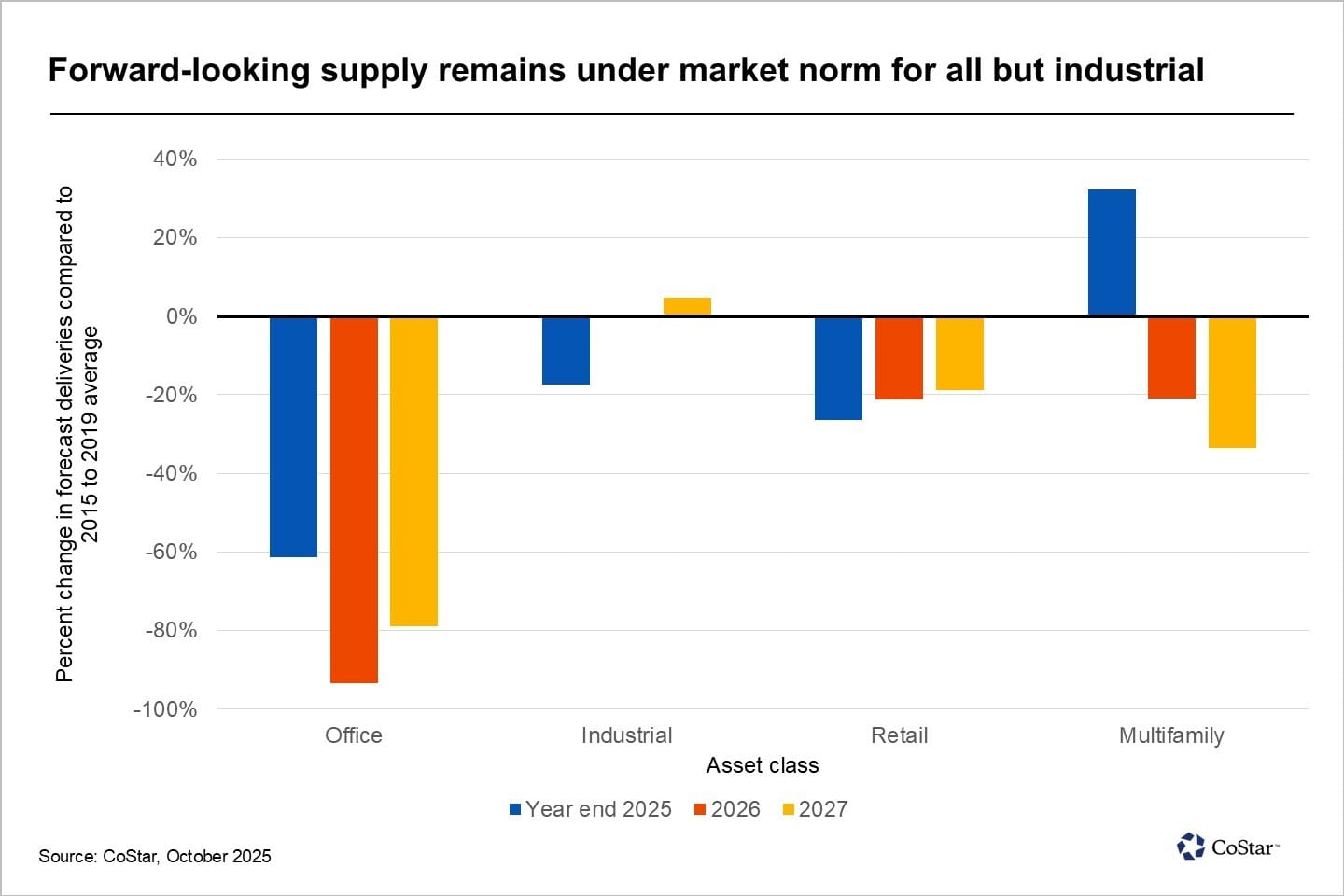
The DFW market is transitioning into a new construction phase marked by a slowdown in office development, a more selective approach to industrial projects, and an evolving housing landscape shaped by affordability and population growth. Developers are recalibrating their priorities, and for real estate professionals, understanding these shifts offers a critical edge in navigating—and capitalizing on—the next phase of the metroplex’s growth.

Zillow Faces New Lawsuit Over Alleged Pressure on Buyers to Use Zillow Home Loans

A new federal lawsuit claims Zillow pushed homebuyers toward Zillow Home Loans by rewarding affiliated agents with valuable leads — all without proper disclosure. The suit alleges undisclosed incentives, referral quotas, and potential RESPA violations, raising major concerns about steering, fiduciary duties, and Zillow’s expanding mortgage ambitions.

Embracing Innovation to Stay Competitive in a Shifting Mortgage Market

The mortgage industry is evolving fast, and the lenders who come out on top will be those who innovate without uprooting what already works. By building on strong technology foundations, streamlining workflows and adopting smart automation, lenders can reduce costs, improve customer experience and stay resilient in any market cycle. This article breaks down why innovation matters now, how a stable tech ecosystem protects lenders in volatile conditions and why small, strategic steps can drive long-term transformation.