Central Bank Digital Currencies: Bridging Innovation and Stability
In a world increasingly dominated by digital innovation, the emergence of central bank digital currencies (CBDCs) marks a pivotal evolution in the financial sector. Unlike traditional money, CBDCs offer a digital alternative that is both backed and issued by national central banks, combining the benefits of digital transactions with the stability of government-backed currency. Understanding the depth and breadth of CBDCs is crucial for financial experts navigating the future of finance.
The Evolution of Money and Introduction of CBDCs
Money has seen significant transformations over the centuries, evolving from barter systems to banknotes and now to digital banking. CBDCs represent the next step, aiming to modernize financial services to be more resilient and inclusive. Central banks like the European Central Bank and the Federal Reserve are exploring CBDCs to stay at the forefront of technological innovation while safeguarding monetary sovereignty.
Technological Underpinnings
CBDCs are digital currencies issued by central banks that hold legal tender status, bridging the gap between digital and physical economies. While some countries opt for blockchain technology to leverage decentralization, transparency, and security, others prefer a centralized approach to maintain tighter control. Key technological considerations for CBDCs include:
Scalability: Ensuring the system can handle large volumes of transactions.
Security: Implementing robust defenses against cyber threats and fraud.
Interoperability: Facilitating seamless integration with existing financial technologies.
Privacy: Balancing transparency with individual rights to privacy.
Worldwide Implementation Efforts
Different nations have taken unique approaches to deploying CBDCs, reflecting their diverse economic contexts and objectives:
Sweden’s E-krona: Developed in response to dwindling cash usage, aiming to secure public access to trusted money in a digital format.
China’s Digital Yuan: Part of a broader initiative to increase China’s influence in the global financial system.
Eastern Caribbean’s DCash: Implemented to improve financial accessibility and resilience in a region prone to natural disasters.
Advantages of CBDCs
CBDCs offer numerous advantages, including:
Efficiency: Streamlining payments and settlements, enhancing economic activity and reducing transaction costs.
Financial Inclusion: Providing a gateway for financial services to populations typically outside the banking system.
Reduced Operational Costs: Digital formats decrease costs related to printing, distributing, and securing physical currency.
Monetary Sovereignty: Helping countries assert control over their monetary systems.
Stability: Offering a secure alternative to private digital currencies and volatile cryptocurrencies.
Economic and Market Implications
The implementation of CBDCs could significantly impact monetary policy and financial stability. By providing central banks with a new tool for conducting monetary policy, CBDCs could enhance control over the money supply and interest rates. They may also influence the banking system by providing individuals with direct access to the central bank’s resources, potentially reducing transaction costs and increasing speed.
CBDCs carry significant implications for the global financial marketplace, including:
Banking Sector Dynamics: With the potential to hold funds directly with the central bank, consumers might choose CBDCs over traditional bank deposits.
International Trade: Facilitating easier and cheaper cross-border transactions, potentially reshaping economic engagement.
Innovation and Competition: Spurring innovation within the private sector, pushing financial institutions to enhance their service offerings.
Despite the potential benefits, CBDCs raise significant issues, particularly regarding privacy and data security. Ensuring a CBDC system is secure against cyberattacks while maintaining user privacy is a complex challenge.
Regulatory and Policy Frameworks
The successful rollout of CBDCs will require comprehensive regulatory frameworks to address potential risks and ensure smooth operation. These frameworks need to tackle issues related to cybersecurity, privacy, legal tender status, and international cooperation.
As digital currencies become more integrated into the global financial system, they may offer a more inclusive and efficient financial framework but will require careful implementation to balance innovation with stability. CBDCs present a profound opportunity to enhance financial transactions, promoting greater efficiency, inclusivity, and stability. However, their successful integration demands careful consideration of technological choices, impact assessments on existing financial structures, and robust regulatory measures.
The information provided here is not investment, tax, or financial advice. You should consult with a licensed professional for advice concerning your specific situation.
More Articles
Getting licensed or staying ahead in your career can be a journey—but it doesn’t have to be overwhelming. Grab your favorite coffee or tea, take a moment to relax, and browse through our articles. Whether you’re just starting out or renewing your expertise, we’ve got tips, insights, and advice to keep you moving forward. Here’s to your success—one sip and one step at a time!
The commercial real estate landscape is on the brink of transformation as leaders seek to navigate the challenges of recent years and position their organizations for future opportunities.
The pandemic has ushered in a wave of mental health challenges that affect healthcare workers profoundly. From the onset of COVID-19, these professionals have been at the forefront, facing immense pressure, long hours, and the constant fear of exposure.
Exploring the dual nature of LLMs offers substantial benefits in healthcare but also raises significant ethical concerns, underscoring the need for well-defined guidelines and human oversight.
Wearable devices have become integral in managing chronic conditions by providing continuous health data, empowering patients and healthcare professionals with insights that were previously unattainable.
The integration of artificial intelligence (AI) into dental practices is more than a technological trend; it represents a seismic shift in the industry. This transformation is reshaping skill sets and prompting a thorough examination of legal and ethical implications.
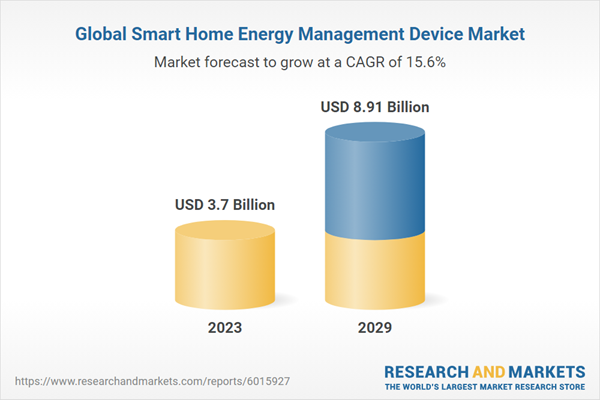
The Global Smart Home Energy Management Device Market is on the brink of a significant transformation, driven by escalating demands for energy-efficient solutions and the increasing adoption of smart home technologies.
 The information provided here is not investment, tax, or financial advice. You should consult with a licensed professional for advice concerning your specific situation.