The Consumer Electronics Show (CES) 2025 is set to be a groundbreaking event, spotlighting the evolution of technology across various sectors. From Artificial Intelligence (AI) to Extended Reality (XR) and sustainability, the event promises to unveil innovations that will redefine industries and everyday life.
The Rise of AI
AI is at the heart of CES 2025, with advancements that promise to enhance predictive maintenance, allowing machines to self-diagnose issues before they escalate. This not only saves time and costs but also optimizes user experiences in smart homes and vehicles. Automotive leaders like AWS are set to showcase generative AI systems that personalize driver interactions, ensuring smarter, intuitive vehicle interfaces.
Autonomous and Software-Defined Vehicles
The automotive industry is poised for a major leap with the integration of autonomous vehicles and Software-Defined Vehicles (SDVs). Unlike traditional vehicles, SDVs feature flexible, updatable software, enabling remote updates and improvements. This software-driven approach promises to enhance performance and safety, while also revolutionizing logistics with automated freight delivery.
Edge Computing and IoT
Edge computing and the Internet of Things (IoT) are transformative trends to watch at CES 2025. These technologies enable real-time data processing locally on devices, reducing latency and enhancing quick decision-making. This is crucial for applications like autonomous vehicles and smart cities, where rapid responses are essential.
Extended Reality (XR)
XR, a combination of augmented reality (AR) and virtual reality (VR), is set to take center stage. With innovative wearables such as smart glasses, XR promises to blur the lines between digital and physical worlds. Beyond gaming and entertainment, XR technologies are expected to revolutionize education, healthcare, and manufacturing through interactive training simulations and virtual meetings.
Sustainability and Cybersecurity
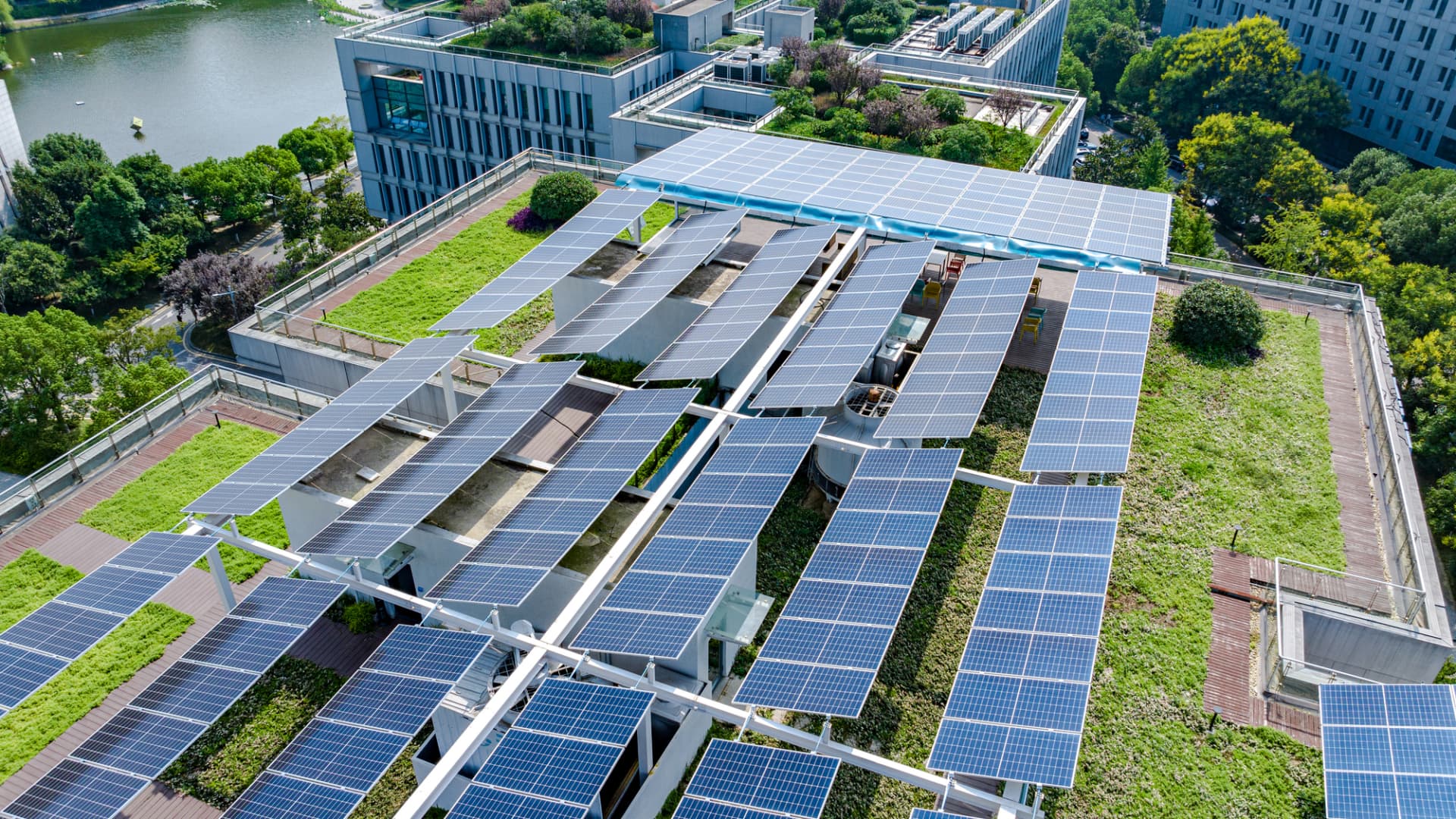
Sustainability is at the forefront of this year’s CES, with technologies aimed at reducing environmental impacts. From energy-efficient gadgets to renewable energy solutions, expect to see innovations that promote eco-friendly practices. Additionally, the rise of AI-driven cybersecurity solutions will ensure robust protection against emerging cyber threats, safeguarding sensitive data across industries.
Conclusion
As CES 2025 unfolds, it promises to be a platform where the future of technology is not just imagined but experienced. The integration of AI, advancements in autonomous vehicles, and the implementation of edge computing are just the beginning. These innovations, alongside XR technologies and sustainable solutions, highlight a commitment to making our world smarter, more sustainable, and better protected.
More Articles
Getting licensed or staying ahead in your career can be a journey—but it doesn’t have to be overwhelming. Grab your favorite coffee or tea, take a moment to relax, and browse through our articles. Whether you’re just starting out or renewing your expertise, we’ve got tips, insights, and advice to keep you moving forward. Here’s to your success—one sip and one step at a time!
Nevada has enacted a first‑in‑the‑nation law permitting insurers to sell homeowners policies that exclude wildfire coverage, a move supporters say could help stabilize premiums but critics warn may leave homeowners financially devastated. The policy shift positions Nevada as a testing ground for potential nationwide changes, raising major implications for real estate, mortgage, and insurance professionals as lenders, high‑risk communities, and regulators navigate the evolving landscape.
Tampa Bay’s office sector just delivered its most powerful year in nearly a decade, according to JLL’s Q4 2025 report. With more than 600,000 square feet of positive net absorption, falling vacancies, shrinking inventory, and major tenants like Fisher Investments and GEICO locking in massive leases, the region is emerging as one of the nation’s strongest post‑recovery office markets. The surge in demand for high‑quality space is driving rents up, tightening supply, and setting the stage for continued momentum into 2026.
The Consumer Financial Protection Bureau has proposed new updates to the Nationwide Mortgage Licensing System and Registry, expanding data collection, tightening verification standards, and refreshing record‑retention rules. These changes aim to strengthen background checks, enhance regulatory oversight, and align the system with federal requirements—impacting both current and aspiring mortgage loan originators nationwide.
Nevada has become the first state to let insurers sell homeowners policies that exclude wildfire coverage — a dramatic shift that could reshape insurance pricing across the West. Supporters say the move may lower premiums and spark innovation, while critics warn it could leave homeowners exposed to devastating losses. As regulators and insurers nationwide watch closely, the experiment could have major implications for real estate, mortgages, and insurance markets.
After years of soaring premiums and insurer failures, Florida lawmakers are rolling out a new slate of reforms aimed at finally delivering relief to homeowners. From cracking down on profit‑sharing affiliates to unveiling hidden rate factors and rewarding claim‑free residents, these proposals could reshape the state’s insurance landscape — and bring real savings to property owners and real estate professionals alike.
With traditional CRE lending slowing nationwide, C‑PACE financing is surging to all‑time highs — including a record‑setting $465 million loan for a major D.C. redevelopment. Backed by long repayment terms, fixed rates, and tax‑assessment security, C‑PACE is rapidly becoming a preferred tool for funding energy efficiency, resiliency upgrades, and even large‑scale project recapitalizations. Major players like Nuveen Green Capital and Peachtree Group are driving billions in new volume as 40 states adopt the program, signaling a major shift in how commercial real estate projects are financed.