
CFPB Rolls Out New Data Updates for Mortgage Registry Checks

Orrick logo

The mortgage world is kicking off the year with a notable update from the Consumer Financial Protection Bureau (CFPB). On January 15, the Bureau published an important notice in the Federal Register outlining proposed updates to the Nationwide Mortgage Licensing System and Registry (NMLS). If you’re a mortgage loan originator—or planning to become one—this is the kind of regulatory shift worth paying attention to.

What’s Changing—and Why It Matters

Expanded Use of Collected Data: Data will now explicitly support registry administration, background investigations, and identity verification. This also ensures compliance with DOJ and FBI requirements for criminal history checks.

More Detailed Categories of Records: The system will now collect additional data elements from mortgage loan originators, administrative users, and federal regulators—expanding oversight accuracy.

Updated Record Retention Rules: The retention schedule is getting a refresh to match the current approved system, keeping the process aligned with modern regulatory expectations.

Authorized Disclosure for Audits: The National Archives and Records Administration will now receive access for official records management inspections.

Alignment with OMB Standards: A series of non-substantive revisions will bring the system in line with the Office of Management and Budget’s recommended model.

What This Means for Mortgage Professionals

For current and aspiring mortgage loan originators, compliance continues to evolve—and staying informed is crucial. These updates refine how your professional data is handled, especially concerning background checks and federal oversight.

For students pursuing their MLO license through accredited real estate and mortgage education providers—such as Cameron Academy—understanding these regulatory shifts is essential. Today’s mortgage environment demands professionals who can navigate both lending knowledge and compliance obligations with confidence.

Want to Dive Deeper?

This update was originally highlighted by JD Supra and further explored by Orrick’s Infobytes team—both excellent resources for regulatory watchers.

Read the full coverage here:

JD Supra Article
Orrick Infobytes Source

Public comments on the proposed changes are open until February 17—so if this update affects your day‑to‑day, now is the perfect moment to make your voice heard.

More Articles

Getting licensed or staying ahead in your career can be a journey—but it doesn’t have to be overwhelming. Grab your favorite coffee or tea, take a moment to relax, and browse through our articles. Whether you’re just starting out or renewing your expertise, we’ve got tips, insights, and advice to keep you moving forward. Here’s to your success—one sip and one step at a time!

Artificial Intelligence in Diagnostics: A Revolution in Healthcare

The global market for artificial intelligence in diagnostics is poised for remarkable growth, with projections estimating it to reach USD 7.3 billion by 2032.

By |December 10, 2024|Categories: Article, Artificial Intelligence, Healthcare|Tags: , |0 Comments

Revolutionizing Medical Education with Extended Reality

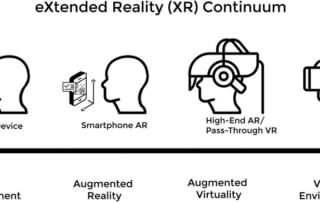
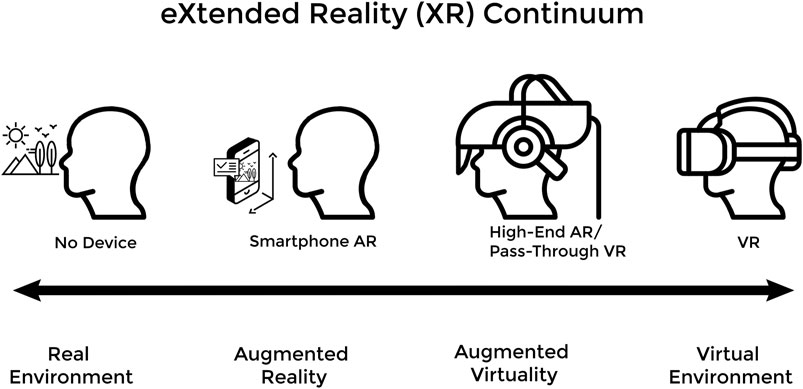
In the ever-evolving landscape of medical education, a new player has emerged, promising to revolutionize the way future doctors are trained. The integration of eXtended Reality (XR) technologies is reshaping the educational landscape by addressing the limitations of traditional methods.

Genetic Testing: A New Dawn in Healthcare

Genetic testing represents more than just a scientific advancement; it signifies a fundamental shift in how we approach health and wellness.

Sustainable Architecture: Blending Innovation with Ecological Responsibility

The journey toward sustainable architecture is ongoing, with each project serving as a beacon of what's achievable when creativity meets ecological awareness.

By |December 9, 2024|Categories: Architecture, Article, Sustainability|Tags: |0 Comments

AI in Clinical and Molecular Diagnostics: A Market on the Rise

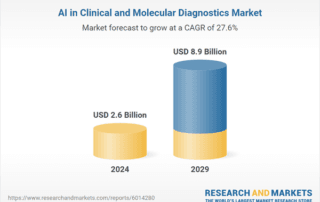
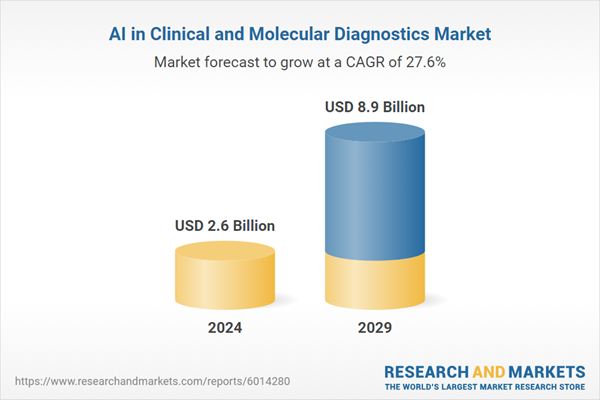
AI in Clinical and Molecular Diagnostics Market is set to experience remarkable growth, projected to surge from USD 2.6 billion in 2024 to USD 8.9 billion by 2029. This growth is driven by the integration of advanced AI technologies such as machine learning and deep learning into traditional diagnostic methodologies like imaging, genomics, and laboratory testing.

AI: A Revolution in Healthcare’s Future

AI is not a distant dream but a present reality, already integrated into everyday life through virtual assistants like Alexa and Siri. AI shows promise in enhancing medical accuracy, such as in predicting mesothelioma survival and improving colonoscopy accuracy, it is not intended to replace healthcare professionals.