Changes to Homeowners Insurance Rules in California
More Options for Homeowners and Insurance Market Stability
California is looking to implement new rules for homeowners insurance carriers to address the challenges faced by insurance companies and provide homeowners with more options. The proposed changes aim to retain insurance companies within the state, ensuring a stable insurance market and offering homeowners a wider range of coverage choices. These changes come in response to the departure of major insurance companies and the increased enrollment in the California FAIR Plan, the state’s insurer of last resort.
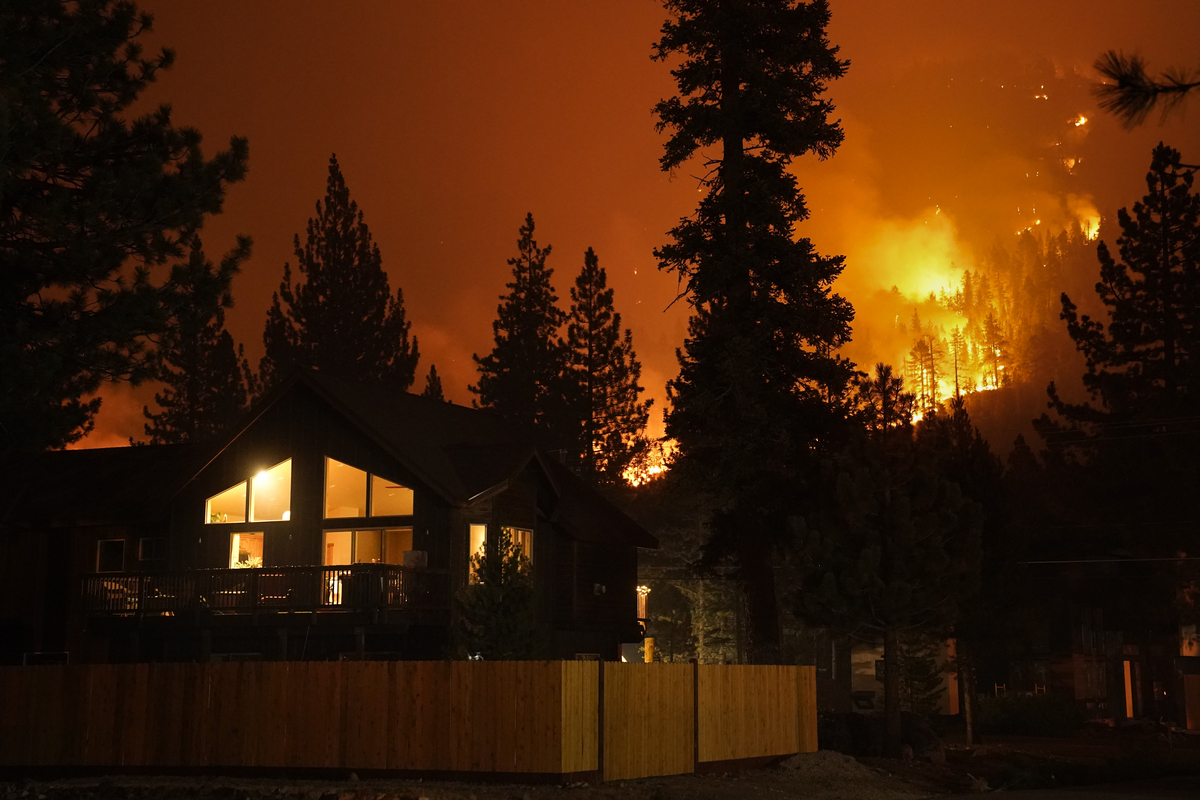
The article from HousingWire highlights that seven out of the twelve largest insurance companies in California have either paused or restricted new policies due to the escalating risks associated with wildfires and rising construction costs. This has resulted in limited options for homeowners and a surge in enrollment in the California FAIR Plan.
The proposed changes would allow insurers to consider climate change and reinsurance costs when setting their rates. However, they would still require permission from the state to make rate adjustments. Furthermore, companies would only be allowed to use these new rules if they write more policies for individuals residing in wildfire-prone areas.
Challenges Faced by Insurance Companies
Insurance companies in California have been grappling with the increasing risks posed by wildfires and the rising costs of construction. As a result, several major insurers have paused or restricted new policies, leaving homeowners with limited options. The proposed changes to homeowners insurance rules aim to address these challenges and create a more stable insurance market.

Surge in the California FAIR Plan Enrollment
The departure of major insurance companies has led to a doubling of enrollment in the California FAIR Plan. This state-run program serves as the insurer of last resort for homeowners who are unable to secure coverage from private insurance companies. The surge in enrollment highlights the limited options available to homeowners and the need for a more diverse range of insurance providers in the state.
With the proposed changes to homeowners insurance rules, there is hope that more insurance companies will be incentivized to write policies for individuals residing in wildfire-prone areas, reducing the reliance on the California FAIR Plan.

Climate Change and Reinsurance Costs Considerations
One of the key aspects of the proposed changes is allowing insurers to consider climate change when setting their rates. With the increasing frequency and severity of wildfires in California, insurance companies need to account for the heightened risks associated with climate change. Additionally, the changes would enable insurers to factor in some of their reinsurance costs, providing them with more flexibility in rate setting.
However, it’s important to note that insurers would still require permission from the state to make rate adjustments. This ensures that homeowners are protected from exorbitant rate increases while allowing insurance companies to address the additional risks and costs they face.

Impact on Homeowners and the Insurance Market
The proposed changes to homeowners insurance rules have the potential to significantly impact homeowners and the insurance market in California. With more insurance companies considering climate change and reinsurance costs, homeowners may have access to a broader range of coverage options.
This increased competition among insurers could lead to more competitive pricing and improved coverage for homeowners. However, insurers may face additional scrutiny and regulation when it comes to rate adjustments and policy offerings.
Coverage Options in High-Risk Areas
The proposed changes reflect California’s ongoing efforts to address the unique challenges posed by wildfires and climate change. By creating a more favorable environment for insurance companies, the state aims to ensure that homeowners have access to the coverage they need, even in high-risk areas.
These changes have the potential to enhance the stability of the insurance market, provide homeowners with more choices, and foster a competitive landscape that benefits both insurers and policyholders.
Secure Your Home with the Right Insurance
Explore Comprehensive Coverage Options and Competitive Pricing
As the proposed changes to homeowners insurance rules in California unfold, it’s crucial to stay informed and make the right choices for your home insurance. At Cameron Academy, we offer online courses that provide in-depth knowledge about homeowners insurance and help you make informed decisions to protect your most valuable asset.
Start Learning Today
Explore our range of online courses and gain the expertise to navigate the evolving landscape of homeowners insurance in California. Don’t miss out on the opportunity to secure the coverage you need. Enroll now!
Enroll Now