China is at the forefront of a revolutionary shift in sustainable housing, aiming to significantly reduce the environmental impact of the construction industry. This initiative, aptly named “Green and Healthy Housing,” is setting the stage for a new era of eco-friendly living by integrating sustainable materials, cutting-edge green technologies, and encouraging a change in the behavior of key players in the housing market. This holistic approach is paving the way for a socio-technical transition towards a sustainable future.

Extending its innovative reach beyond its own borders, China is exporting prefabricated structures such as hotels, hospitals, student dormitories, and social housing. These structures are built to near-completion in Chinese factories and shipped globally in containers, allowing for efficient and sustainable assembly at their destinations. This strategy not only supports China’s domestic eco-efforts but also aids international communities in their pursuit of sustainable building solutions.

At the heart of this green initiative is a real estate development firm established in 2007. Known for its dedication to green technology and social responsibility, the firm has been recognized with numerous awards and has invested millions in charitable activities. Its core values—“Honesty, Trustworthiness, Dedication, and Professionalism”—highlight its commitment to continuous improvement and environmental stewardship.

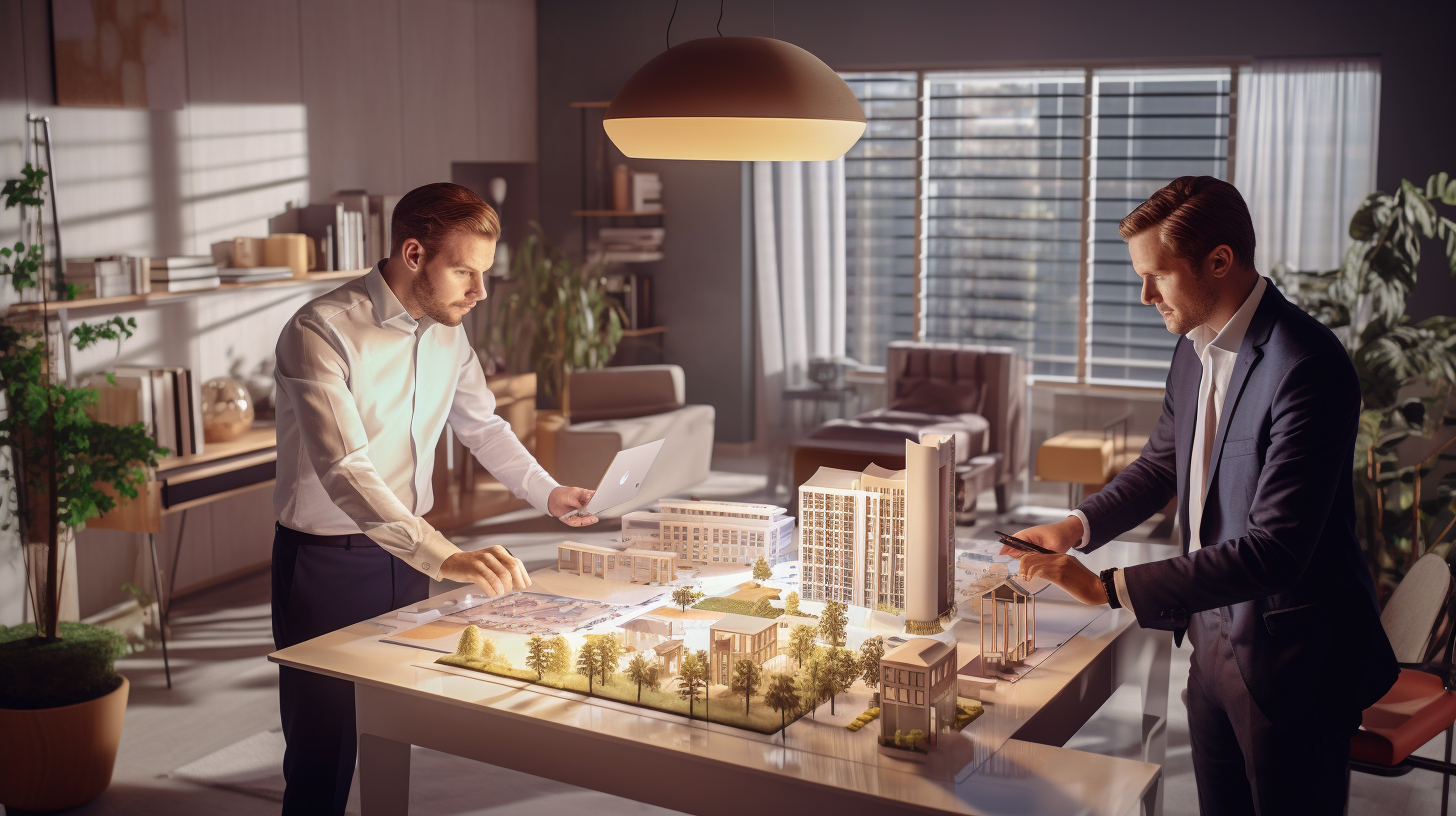
In contrast to traditional construction methods, prefabricated green buildings offer a quicker and more cost-effective production process. They generate less waste and consume significantly less energy, prompting a growing number of global hotels, including luxury resorts, to adopt these Chinese prefabricated green structures. Departing from the boxy, utilitarian designs of the past, these modern buildings showcase sophisticated aesthetics that blend seamlessly with diverse global landscapes.

One of the production hubs for these green housing units features a unique Museum of Windows and Doors, likely the only one of its kind worldwide, surrounded by expansive factory grounds. Visitors can observe the meticulous design and technological sophistication that characterize these eco-friendly prefabrications, with production facilities spanning areas comparable to small countries.

In addition to exporting green buildings, China is also sharing knowledge on sustainable design and construction practices through academic partnerships, particularly with universities. By offering courses on project management and building assembly, China is empowering future developers and architects worldwide to apply sustainable methods using materials sourced from China. This educational component aims to enable international developers to work independently and promote sustainable practices locally, thereby avoiding potential disruptions to local construction industries.

By reducing energy and material waste, prefabricated green buildings can significantly decrease the global hospitality and tourism industry’s ecological footprint. Often, discussions around tourism sustainability focus on reducing operational emissions, such as those from flights or transportation, while overlooking the environmental impact of infrastructure development. China’s green housing initiative brings attention to this crucial aspect, providing a scalable model for eco-conscious construction.

Moreover, recent diplomatic developments between China and India, including the resolution of a longstanding border conflict, signal improved cooperation that could further enhance the reach of green construction. For instance, India might soon open its airspace for international flights linked to the Chinese-funded airport in Pokhara, Nepal, enhancing regional connectivity and supporting sustainable tourism.

China’s green housing model exemplifies how eco-innovation can not only meet pressing climate goals but also influence industries worldwide. As this sustainable construction model gains traction globally, the world moves one step closer to a greener, more efficient, and environmentally friendly future in housing and beyond.

Read the full article on Travel And Tour World.

More Articles

Getting licensed or staying ahead in your career can be a journey—but it doesn’t have to be overwhelming. Grab your favorite coffee or tea, take a moment to relax, and browse through our articles. Whether you’re just starting out or renewing your expertise, we’ve got tips, insights, and advice to keep you moving forward. Here’s to your success—one sip and one step at a time!

AI and Real Estate: A Game-Changer or Job-Taker?

In the rapidly evolving world of technology, one question often surfaces: Will AI replace real estate agents? Our comprehensive exploration into this topic reveals the intricate interplay between technology and the real estate industry, and how this relationship is shaping the future of property transactions. While some view the rise of AI with apprehension, others see it as a tool for enhancement. Take Cameron Academy, for instance. They've seamlessly integrated AI into their educational platform, offering an AI tutor to assist students. It's an intriguing paradox. On one hand, we have concerns about AI replacing jobs, and on the other, we witness how AI can enrich our learning experiences.

By |September 14, 2023|Categories: AI in Real Estate|Tags: |0 Comments

How to Afford a $200,000 House: Factors to Consider

Are you planning to buy a house? Understanding your financial capacity and determining whether you can afford the monthly payments is crucial. This guide explores the various factors that come into play when determining the affordability of a $200,000 house. We break down the key elements that contribute to overall affordability, from income to down payment and mortgage interest rates. By the end of this article, you will have a clear understanding of what it takes to make your dream of homeownership a reality. Discover the benefits of having a real estate license and mortgage license with Cameron Academy's comprehensive courses. Ready to take the next step? Explore our online career education courses and unlock your potential today. Sign up for our real estate license or mortgage license course now!

How Much Does It Cost to Become a Real Estate Agent in Florida?

Considering a career as a real estate agent in Florida? Let's break down the costs involved. The first step is completing the state-required pre-license courses, which can range from $100 to $500. Once you've completed your education, you'll need to submit an application to the Florida Department of Business and Professional Regulation (DBPR) with an $83.75 fee. The state exam fee is $36.75 per attempt. All applicants must undergo a fingerprinting check, which ranges from $50 to $80. Other costs include brokerage desk fees, REALTOR® dues, marketing materials, and living expenses during the initial months of building your client base. Despite the upfront costs, the potential rewards make it a worthwhile investment. Ready to start? Enroll in Cameron Academy's Florida pre-licensing course today!

By |September 13, 2023|Categories: Real Estate Licensing in Florida|Tags: |0 Comments

Real Estate Farming: A Comprehensive Guide

Welcome to our comprehensive guide on real estate farming. This marketing strategy targets a specific neighborhood or area, establishing you as a local expert. One of the most effective ways to engage with potential clients is through handwritten notes, creating a lasting impression and helping you stand out in a competitive market. Handwritten cards build trust, foster relationships, and increase your chances of converting leads into clients. By incorporating these personalized techniques, you can differentiate yourself from the competition and increase your chances of success. Ready to take your real estate farming to the next level? Visit Cameron Academy to learn more about our real estate farming course.

By |September 13, 2023|Categories: Real Estate Farming|Tags: |0 Comments

The Potential Impact of Airbnb’s Decline on the Housing Market

The current state of the U.S. housing market is characterized by high prices and a lack of inventory. However, recent developments in the short-term rental industry, particularly with Airbnb, have sparked discussions about the potential impact on the broader housing market. This article explores the connection between Airbnb's decline and the housing market, analyzing the implications and providing a balanced perspective on the situation. Short-term rentals, such as Airbnb, have played a significant role in the housing market, affecting housing prices and inventory. These platforms have provided homeowners with the opportunity to monetize their properties by renting them out for short periods. This has resulted in increased competition for available housing and, in some cases, contributed to rising home prices.

By |September 12, 2023|Categories: Housing Market|Tags: |0 Comments

Don’t Let It Intimidate You: Tips for Starting (or Strengthening) Your Real Estate Career

Starting a career in real estate can be an exciting and rewarding journey. Whether you are just entering the field or looking to strengthen your existing career, there are valuable tips and insights that can help you navigate the competitive landscape of the real estate industry. The real estate industry is a dynamic and ever-evolving field, with countless opportunities for those willing to put in the effort. With dedication and a strategic approach, you can carve out your own niche and thrive in this competitive market. Don't let the challenges and competition intimidate you. With the right mindset, dedication, and a commitment to continuous learning, you can thrive in the world of real estate. Embrace the journey, leverage your strengths, and build meaningful relationships with clients and industry experts. Start your real estate career or take it to the next level today.