China is at the forefront of a revolutionary shift in
sustainable housing, aiming to significantly reduce the environmental impact of the construction industry. This initiative, aptly named
“Green and Healthy Housing,” is setting the stage for a new era of eco-friendly living by integrating
sustainable materials, cutting-edge
green technologies, and encouraging a change in the behavior of key players in the housing market. This holistic approach is paving the way for a socio-technical transition towards a sustainable future.
Extending its innovative reach beyond its own borders, China is exporting
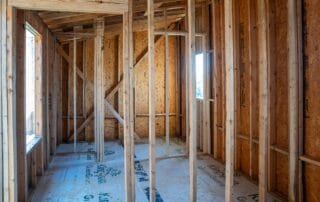
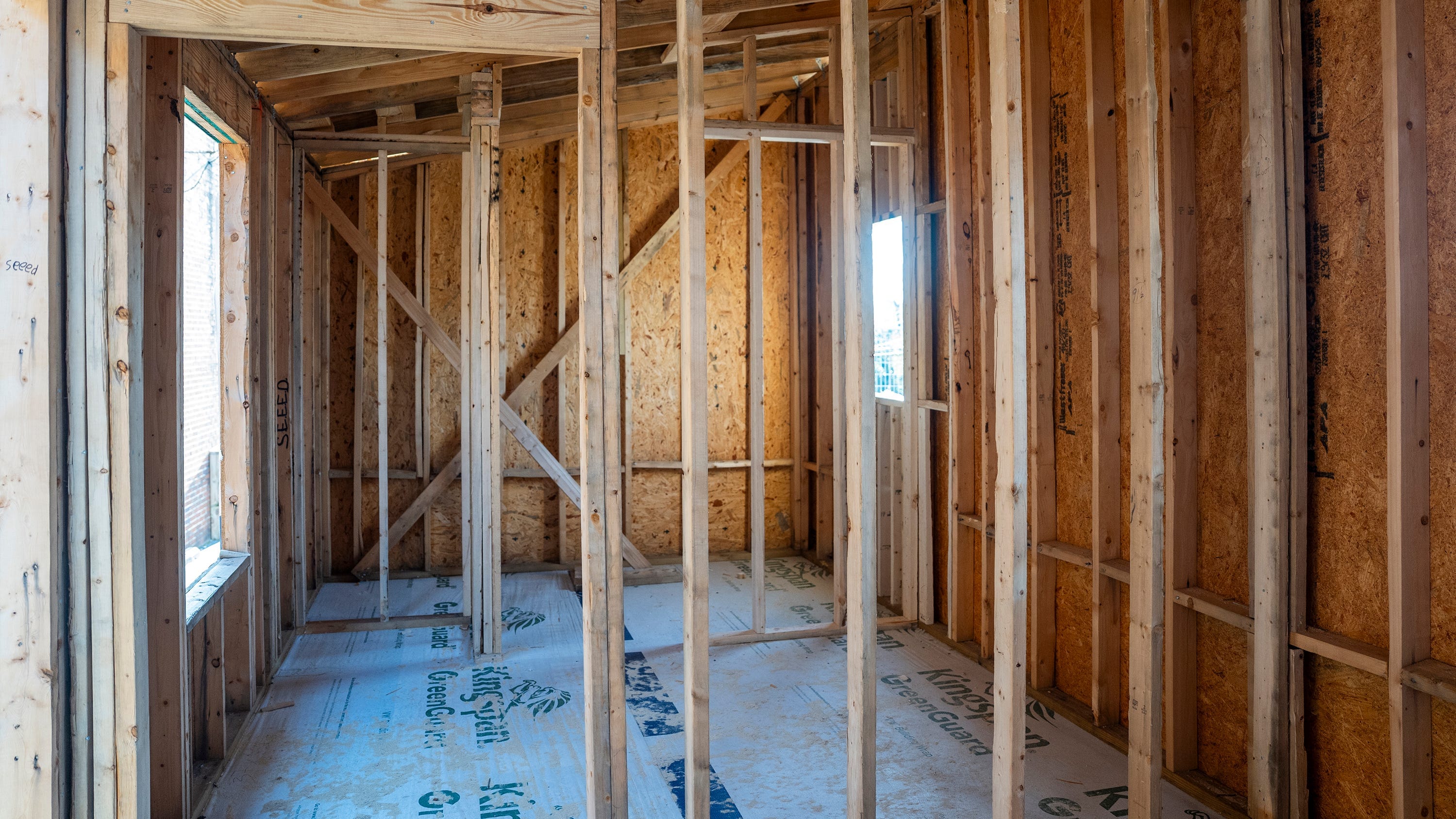
prefabricated structures such as hotels, hospitals, student dormitories, and social housing. These structures are built to near-completion in Chinese factories and shipped globally in containers, allowing for efficient and sustainable assembly at their destinations. This strategy not only supports China’s domestic eco-efforts but also aids international communities in their pursuit of
sustainable building solutions.
At the heart of this green initiative is a real estate development firm established in 2007. Known for its dedication to
green technology and social responsibility, the firm has been recognized with numerous awards and has invested millions in charitable activities. Its core values—
“Honesty, Trustworthiness, Dedication, and Professionalism”—highlight its commitment to continuous improvement and environmental stewardship.
In contrast to traditional construction methods,
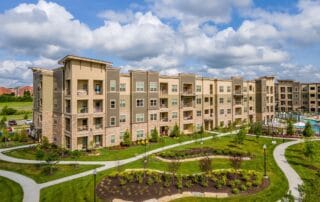
prefabricated green buildings offer a quicker and more cost-effective production process. They generate less waste and consume significantly less energy, prompting a growing number of global hotels, including luxury resorts, to adopt these Chinese prefabricated green structures. Departing from the boxy, utilitarian designs of the past, these modern buildings showcase sophisticated aesthetics that blend seamlessly with diverse global landscapes.
One of the production hubs for these green housing units features a unique
Museum of Windows and Doors, likely the only one of its kind worldwide, surrounded by expansive factory grounds. Visitors can observe the meticulous design and technological sophistication that characterize these eco-friendly prefabrications, with production facilities spanning areas comparable to small countries.
In addition to exporting green buildings, China is also sharing knowledge on
sustainable design and construction practices through academic partnerships, particularly with universities. By offering courses on project management and building assembly, China is empowering future developers and architects worldwide to apply sustainable methods using materials sourced from China. This educational component aims to enable international developers to work independently and promote sustainable practices locally, thereby avoiding potential disruptions to local construction industries.
By reducing energy and material waste,
prefabricated green buildings can significantly decrease the global hospitality and tourism industry’s ecological footprint. Often, discussions around tourism sustainability focus on reducing operational emissions, such as those from flights or transportation, while overlooking the environmental impact of infrastructure development. China’s green housing initiative brings attention to this crucial aspect, providing a scalable model for eco-conscious construction.
Moreover, recent diplomatic developments between China and India, including the resolution of a longstanding border conflict, signal improved cooperation that could further enhance the reach of green construction. For instance, India might soon open its airspace for international flights linked to the Chinese-funded airport in Pokhara, Nepal, enhancing regional connectivity and supporting sustainable tourism.
China’s
green housing model exemplifies how eco-innovation can not only meet pressing climate goals but also influence industries worldwide. As this sustainable construction model gains traction globally, the world moves one step closer to a greener, more efficient, and environmentally friendly future in housing and beyond.
Read the full article on Travel And Tour World.

 Florida’s Middle Class Is Being Squeezed Out: Insurance Costs, Rebuilding Struggles, and a Changing Coastline Gallery