Investopedia has embarked on a mission to guide aspiring real estate professionals towards choosing the most suitable online real estate schools. Through a meticulous approach, they have evaluated nine prominent institutions, ensuring that the selection process is both comprehensive and objective.
Investopedia’s Methodology
The evaluation process, as detailed in the original Investopedia article, is rooted in a structured methodology. The schools were assessed based on 38 different criteria, segmented into four main categories: fees, customer satisfaction, features, and availability. This robust framework ensures that prospective students receive a well-rounded view of what each school offers.
Key Evaluation Criteria Investopedia’s rating system assigns weights to various criteria, such as pass rates, accreditation, and digital app availability. For instance, the Texas Real Estate Commission exam pass rates play a significant role in determining a school’s reliability. Additionally, the availability of mobile applications for learning, like those offered by AceableAgent, adds a modern twist to the evaluation.
Customer Satisfaction
A significant portion of the evaluation focuses on customer satisfaction, which is gauged through ratings and reviews from multiple platforms. This is crucial as it reflects the real experiences of students who have walked the path before.
Why It Matters
In the ever-evolving field of real estate, staying updated with the latest educational resources is vital. Investopedia’s ongoing evaluation and updating of the best online real estate schools ensure that professionals have access to the most current and effective learning tools. This is particularly important as digital and mobile resources become increasingly integral to real estate education.
For those looking to delve deeper into the world of real estate, Investopedia’s guide to the best online real estate schools is an invaluable resource. It not only provides insights into the schools themselves but also offers a broader understanding of what it takes to succeed in this dynamic industry.
By maintaining a transparent and thorough review process, Investopedia continues to be a trusted ally for anyone pursuing a career in real estate. Their commitment to providing accurate, data-driven recommendations helps aspiring agents make informed decisions, paving the way for their future success.
More Articles
Getting licensed or staying ahead in your career can be a journey—but it doesn’t have to be overwhelming. Grab your favorite coffee or tea, take a moment to relax, and browse through our articles. Whether you’re just starting out or renewing your expertise, we’ve got tips, insights, and advice to keep you moving forward. Here’s to your success—one sip and one step at a time!
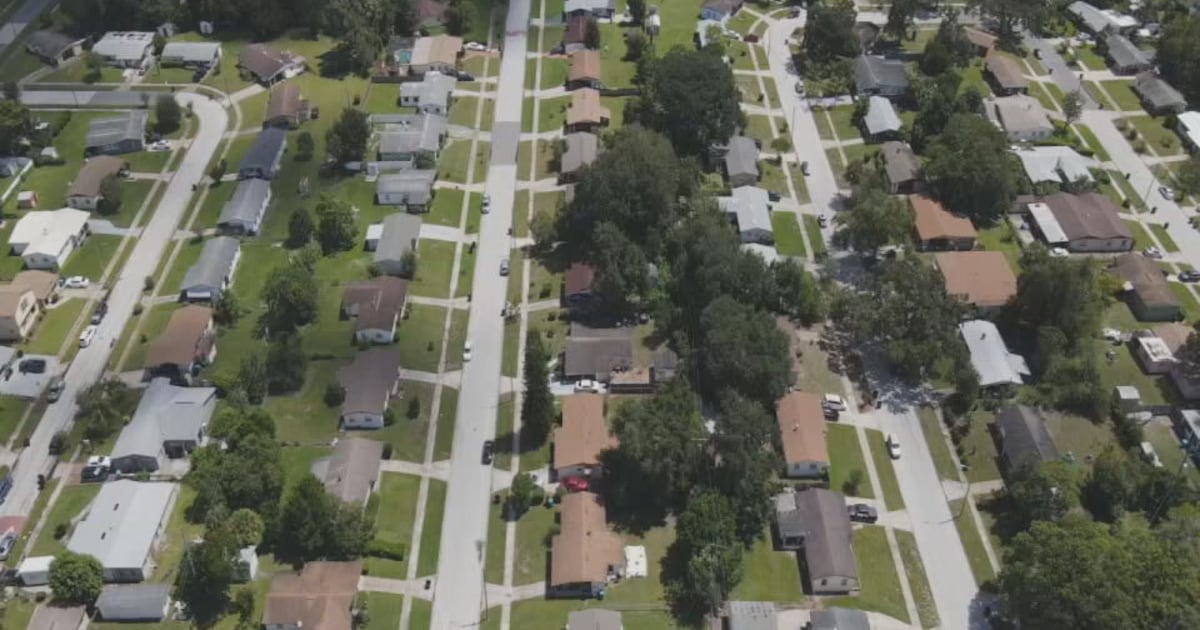
After years of soaring premiums and insurer instability, Florida’s property insurance market is finally turning a corner. Major carriers have filed 83 requests for rate decreases heading into 2026, with companies like Florida Peninsula and Patriot Select proposing cuts of 8.4% and 11.3%. Some homeowners may see relief as early as next month, signaling a long‑awaited shift toward market stability.
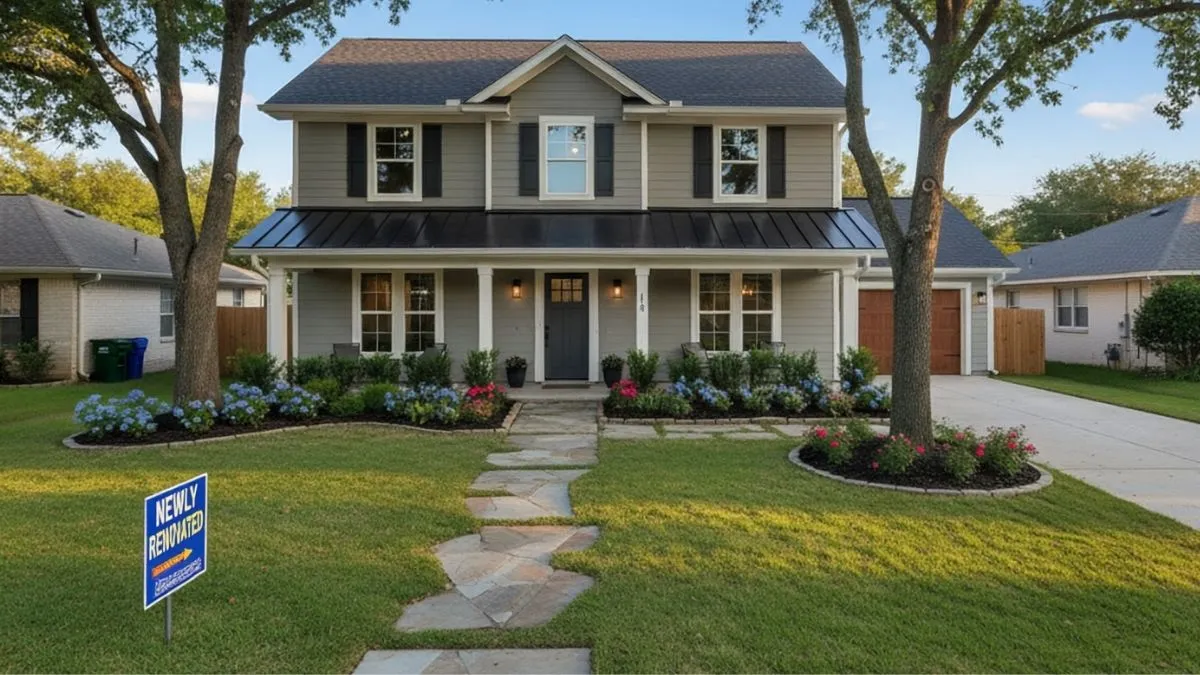
Fix-and-flip investing is gearing up for one of its strongest years in a decade as 2026 approaches. With cheaper capital, more accessible funding, easing interest rates, and long-awaited increases in housing inventory, investors are finding the perfect environment to launch or scale renovation-based real estate businesses. Renovation continues to outpace new construction in cost and speed, and demand for move-in-ready homes remains high, making 2026 a powerful opportunity window for both new and experienced investors.
After a short-lived period of relief in 2025, the U.S. rental market may be headed for a tighter, more expensive 2026. With construction starts dropping nearly 11% and completions plunging 42%, the surge of new apartments that helped lower rents is rapidly drying up. Rising costs, shrinking inventory, and a slowdown in new development point to a potential rental crunch that could leave renters facing heavier competition and higher prices across major markets next year.
The commercial real estate market is entering a rare reset that experts say mirrors the post‑2008 boom, creating a potential window for disciplined investors. With trillions in commercial debt coming due and property values dropping up to 40%, firms like AARE are positioning themselves to acquire assets below replacement cost—an advantage that could set the stage for significant long‑term growth.
Commercial real estate is entering a reinvention phase, with AI‑driven productivity, modernized office demand, experience‑focused retail, expanding industrial logistics, creative housing solutions, and sustainability‑centered design all accelerating nationwide. These six forces are shaping how investors, brokers, and future licensees will operate in a rapidly evolving U.S. market.
After years of economic uncertainty and cautious decision‑making, 2026 is shaping up to be the year professionals finally catch a break. AI is moving from buzzword to essential tool, capital markets are beginning to thaw, and hiring is picking up across real estate, mortgage, insurance, finance, and healthcare. With opportunity returning, many professionals are using this moment to upskill—pursuing new licenses, certifications, and cross‑industry expertise.

:max_bytes(150000):strip_icc():format(webp)/realestateagentmakessaleoutsidemethodology-3a62408d151d4511b13be446bc484e86.jpg "Choosing The Best Online Real Estate Schools: A Guide By Investopedia 2")