In the competitive world of real estate, aspiring brokers in North Carolina are required to complete 75 hours of prelicensing education to earn their license. This crucial step ensures they are well-prepared to navigate the complexities of the real estate market. A recent article by HousingWire, titled “7 Best Real Estate Schools in North Carolina (NC) for 2025,” provides an insightful guide to the top real estate schools in the state, helping future brokers make informed decisions about their education.


The article evaluates several esteemed institutions, each offering unique advantages designed to set students up for success. Among the top contenders is Aceable Agent, renowned for its 24/7 virtual instructors and interactive learning tools. With courses starting from $479, Aceable Agent is ideal for those who value flexibility and accessibility in their education.


Another standout is The CE Shop, which prides itself on helping students get licensed quickly. Offering a comprehensive curriculum starting at $675, this school is perfect for those eager to jumpstart their careers with speed and efficiency.


For those seeking a more traditional approach, the Carolina School of Real Estate offers in-person classes that cater to all stages of a broker’s career. With a focus on local expertise and a starting price of $485, it provides a solid foundation for both newcomers and seasoned professionals.


Kaplan Real Estate Education is highlighted for its exceptional exam preparation courses. Starting at $449, Kaplan combines industry fundamentals with state-specific knowledge, ensuring students are well-equipped to pass the licensing exam.


The Superior School of Real Estate is lauded for its extensive career resources and support from local instructors. With courses beginning at $529, it offers a robust network and valuable career connections for aspiring brokers.


For those on a budget, FastPass Learning provides affordable online courses starting at $408. Known for its mobile-friendly design and comprehensive exam prep, it is an excellent choice for cost-conscious students.


Lastly, the Sea Coast Real Estate Academy is ideal for those who prefer local, in-person learning. With a starting price of $450, it offers a comfortable and engaging learning environment led by dynamic local instructors.


Each of these schools was evaluated based on affordability, flexibility, course offerings, and student satisfaction. The article provides a comprehensive overview, ensuring that future brokers in North Carolina can select a program that aligns with their career goals and educational preferences. For more details, visit the original article on HousingWire.


Methodology

HousingWire’s evaluation considered factors such as affordability, course offerings, instructor expertise, and student support. Each school’s unique features and professional development opportunities were also taken into account.


FAQs

The article also addresses common questions about obtaining a real estate license in North Carolina, including the steps involved, costs, and exam details. For a deeper understanding, readers are encouraged to explore the FAQs section.


As the real estate industry continues to evolve, having a solid educational foundation is more important than ever. With the guidance provided by HousingWire, aspiring brokers can confidently embark on their journey to success in North Carolina’s vibrant real estate market.

More Articles

Getting licensed or staying ahead in your career can be a journey—but it doesn’t have to be overwhelming. Grab your favorite coffee or tea, take a moment to relax, and browse through our articles. Whether you’re just starting out or renewing your expertise, we’ve got tips, insights, and advice to keep you moving forward. Here’s to your success—one sip and one step at a time!

2025 Commercial Real Estate Outlook: Navigating a New Era

The commercial real estate landscape is on the brink of transformation as leaders seek to navigate the challenges of recent years and position their organizations for future opportunities.

The Emerging Mental Health Crisis Among Healthcare Workers During the COVID-19 Pandemic

The pandemic has ushered in a wave of mental health challenges that affect healthcare workers profoundly. From the onset of COVID-19, these professionals have been at the forefront, facing immense pressure, long hours, and the constant fear of exposure.

By |December 18, 2024|Categories: Article, Healthcare Workers, Mental Health|Tags: , |0 Comments

Ethical Concerns of Large Language Models in Healthcare

Exploring the dual nature of LLMs offers substantial benefits in healthcare but also raises significant ethical concerns, underscoring the need for well-defined guidelines and human oversight.

The Role of Wearable Devices in Chronic Disease Monitoring and Patient Care: A Comprehensive Review

Wearable devices have become integral in managing chronic conditions by providing continuous health data, empowering patients and healthcare professionals with insights that were previously unattainable.

AI Training Mandates: Navigating Legal Waters in Dentistry

The integration of artificial intelligence (AI) into dental practices is more than a technological trend; it represents a seismic shift in the industry. This transformation is reshaping skill sets and prompting a thorough examination of legal and ethical implications.

By |December 17, 2024|Categories: Article, Legal, Technology|Tags: , |0 Comments

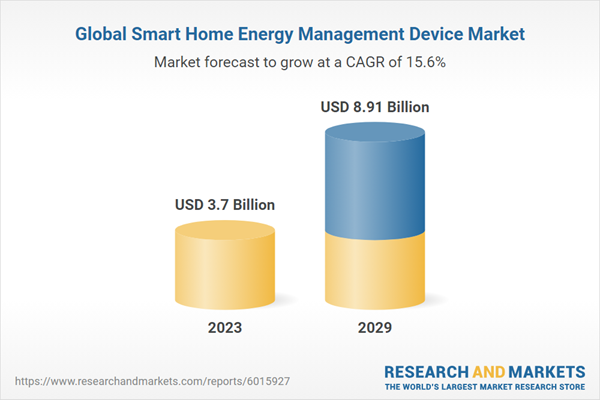
Smart Home Energy Management Devices: A Market Poised for Growth

The Global Smart Home Energy Management Device Market is on the brink of a significant transformation, driven by escalating demands for energy-efficient solutions and the increasing adoption of smart home technologies.