In the world of real estate, the decision to hire a professional agent can be a pivotal one. As highlighted by NerdWallet, finding the right real estate agent is crucial for making informed decisions and avoiding costly mistakes. But how does one navigate the sea of agents to find the right fit?


Real estate agents are not all the same, and choosing the right one involves understanding the nuances of their roles. For instance, a buyer’s agent assists in finding and negotiating the purchase of a home, while a listing agent focuses on selling properties. Moreover, the distinction between real estate agents, brokers, and Realtors adds another layer of complexity. Realtors, for example, are members of the National Association of Realtors and adhere to a strict code of ethics.


Interviewing Prospective Agents

To ensure your interests are well-represented, it’s recommended to interview at least three prospective agents. During these interviews, delve into their experience, training, and how they plan to meet your needs. A key question to ask is whether the agent will represent your interests exclusively, as some may act as dual agents, representing both buyer and seller.


Questions to Consider

  • Is the agent licensed? Verify this through your state’s real estate commission.
  • What experience does the agent have? Look for a track record of serving clients like you.
  • How will the agent communicate with you? Ensure they can accommodate your preferred method of communication.

The article also sheds light on the evolving landscape of real estate commissions, especially after a significant legal settlement with the NAR. Buyers now have more flexibility in negotiating how their agents are compensated, whether through a flat fee, hourly rate, or a percentage of the purchase price.


Ultimately, the goal is to find a real estate agent who not only possesses the necessary expertise but also aligns with your personal style and needs. For more insights, visit the original article on NerdWallet.


More Articles

Getting licensed or staying ahead in your career can be a journey—but it doesn’t have to be overwhelming. Grab your favorite coffee or tea, take a moment to relax, and browse through our articles. Whether you’re just starting out or renewing your expertise, we’ve got tips, insights, and advice to keep you moving forward. Here’s to your success—one sip and one step at a time!

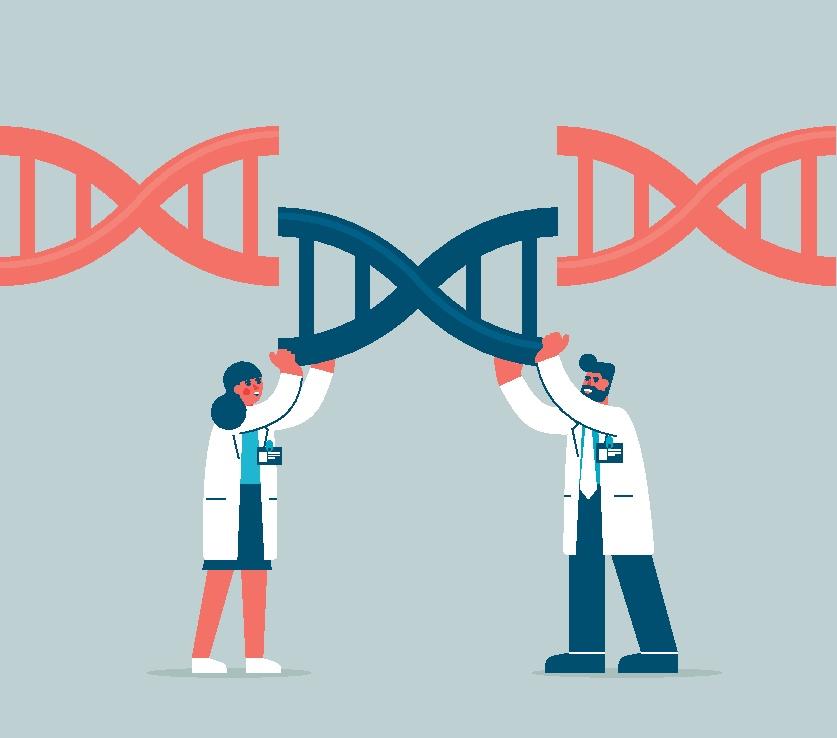
Gene Editing: A Promising Frontier in Biotechnology

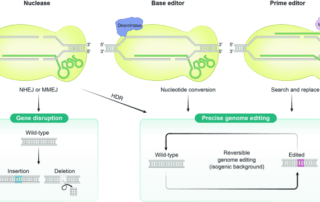
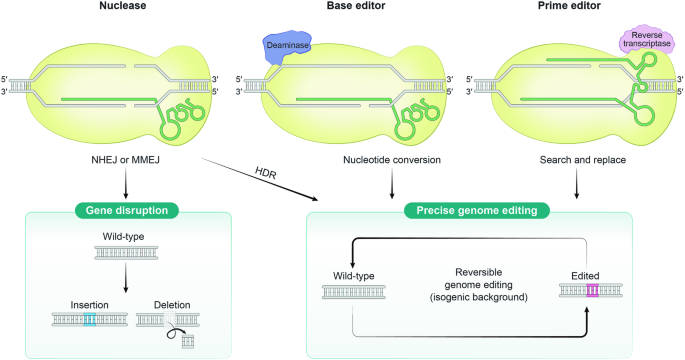
Gene editing technology is swiftly emerging as a transformative force in both healthcare and agriculture, particularly through tools like CRISPR-Cas9, which offer precise methods to modify genes and promise to revolutionize treatment for genetic disorders, cancer, and infectious diseases.

Empowering the Gig Economy: AXA’s Tailored Protection

Angela Wong, Chief Marketing and Customer Officer at AXA Hong Kong & Macau, underscores the critical need for comprehensive insurance solutions for gig workers.

By |November 24, 2024|Categories: Article, Business, Insurance|Tags: , |0 Comments

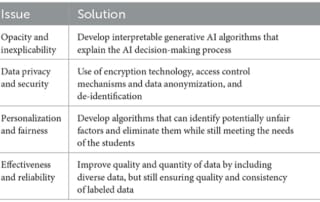
Ethical Deployment of AI in Healthcare: AMA’s Guiding Strategies

The AMA highlights that AI's integration must be guided by the fundamental principles of medical ethics: patient autonomy, beneficence, nonmaleficence, and justice.

By |November 24, 2024|Categories: Article, Healthcare, Technology Ethics|Tags: , |0 Comments

AI’s Role in Revolutionizing Medical Education

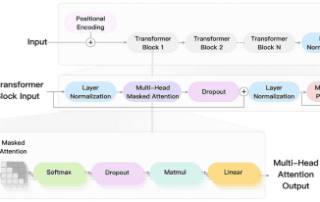
AI, which simulates human intelligence, is reshaping various sectors, particularly healthcare. The ability to perform complex tasks, such as diagnostics and personalized healthcare, is no longer confined to human capabilities alone.

By |November 23, 2024|Categories: Article, Education, Technology|Tags: , |0 Comments

AI Chatbots in Chronic Disease Diagnosis

A recent study published in Nature on July 25, 2024, unveils a cutting-edge chatbot named Chat Ella, designed to assist in the diagnosis of chronic diseases.

Revolutionizing Genetic Research with CRISPR-Cas Technology

CRISPR-Cas technology is not just a tool but a gateway to understanding the genetic influences on diseases.