Climate Disasters Are Growing Faster Than Insurance Uptake — And the Global Protection Gap Is Reaching a Breaking Point

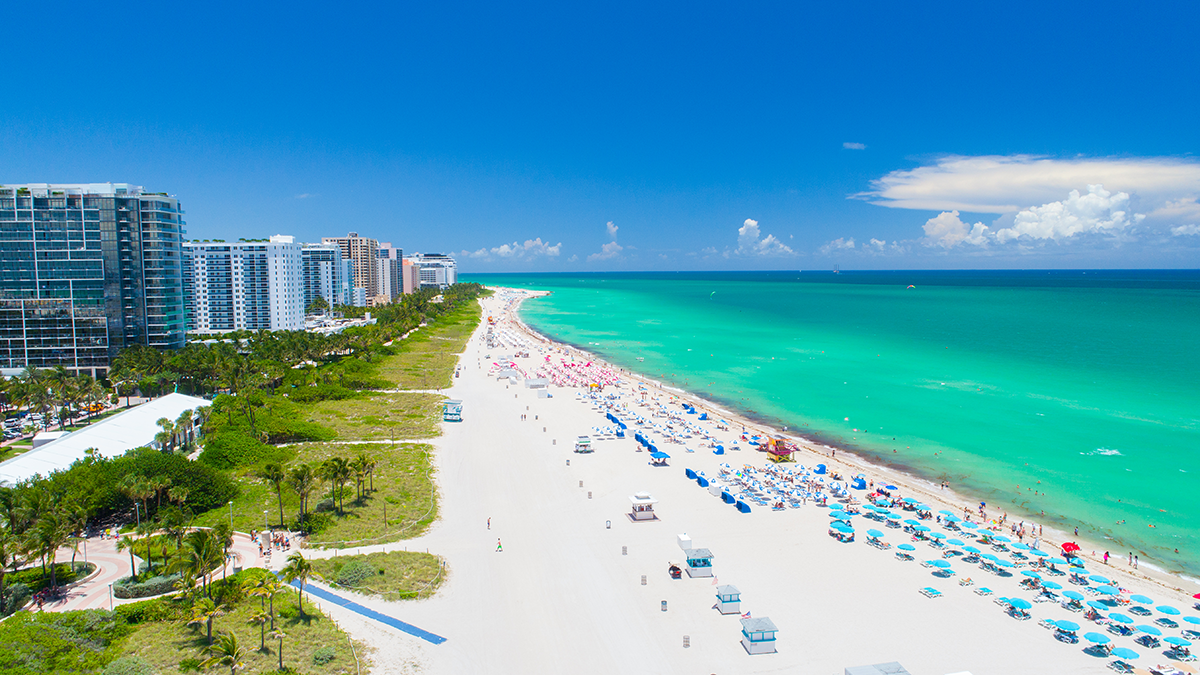
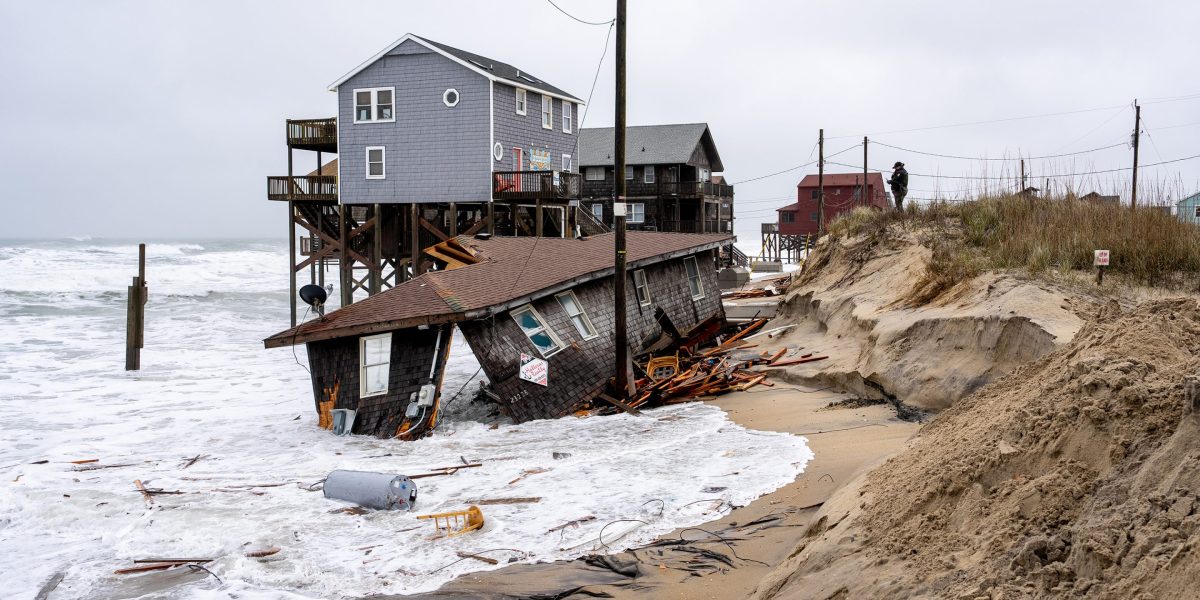
Hurricane Melissa’s catastrophic sweep across Jamaica wasn’t just another climate event — it was a stark illustration of how disastrously exposed the world remains. With damage soaring into the tens of billions, fewer than 5% of properties had meaningful insurance coverage. The storm brought one truth into painful clarity: climate risks are accelerating, but financial protection is not.
From the Caribbean to Southeast Asia, insurance remains one of the simplest forms of climate adaptation — yet it is dramatically underused. According to
Beinsure Media, innovative aggregation models, philanthropy and public‑private partnerships could finally shift that trajectory.
Uninsured Losses Are Skyrocketing Worldwide
The World Bank reports that more than 90% of disaster losses in developing regions go uninsured. Swiss Re estimates the global protection gap now exceeds $1.8 trillion annually — a staggering 20% increase since 2018.
“The global protection gap measured at $1.8 trillion in premium-equivalent terms.”
As unprotected risk climbs, experts argue that insurance should be treated as critical climate infrastructure — an essential support system enabling households, farmers and businesses to withstand the economic shocks ahead.
Aggregation Models Are Reaching Workers Insurance Has Ignored for Decades
Low-income and informal workers rarely gain access to meaningful insurance — but that changes when cooperatives and community groups act as intermediaries. In Southeast Asia, People’s Courage International partners with agricultural co‑ops to offer weather‑indexed insurance with automatic mobile payouts triggered when rainfall drops below critical thresholds.
“No paperwork. No adjusters. No delays. Trust grows when communities see payouts trigger in real time.”
In India, the NGO Climate Resilience for All, working with SEWA, provides parametric micro‑insurance to more than 225,000 informal women workers. When extreme heat crosses agreed limits, payouts arrive instantly — crucial for workers whose income stops the moment temperatures spike.
Philanthropy helps underwrite these systems, enabling data collection, training, outreach and the infrastructure required to bring vulnerable communities into markets that historically overlooked them.
A related Beinsure report reveals that just 19% of businesses currently view ESG compliance as a major concern — despite rising regulatory exposure. Insurers emphasize the need for stronger risk mapping, cross‑border coverage and climate‑aligned planning.
Bundling Insurance With Climate Tools Delivers Real Resilience
Insurance softens the blow, but bundling it with climate‑smart agriculture and technology creates game‑changing resilience.
Humanity Insured pairs crop insurance with drought‑resistant seeds, agronomic coaching and soil‑monitoring tech — enabling farmers not only to recover faster, but to boost productivity and affordability long‑term.
Blue Marble integrates insurance with satellite data and early‑warning systems. Parametric payouts activate when temperature or rainfall hits critical thresholds, while the early‑warning data gives communities precious time to prepare.
Meanwhile, the U.S. private flood insurance sector continues its rise. While small compared to the general property and casualty market, it has grown at a 20% compound annual rate from 2020 to 2024 — even as federal NFIP enrollment declines.
Governments and Corporates Must Step In — Insurance Alone Can’t Absorb a Warming World
Insurance systems cannot shoulder the cost of escalating climate disasters alone. Governments must integrate insurance into national climate plans, align it with social‑protection systems and co‑finance the highest‑risk populations.
Corporations, too, face increasing volatility — especially in crops like cocoa, coffee and cotton. Weather instability disrupts supply chains, labor continuity and product availability.
“Insurance cushions shocks, stabilizes procurement and protects value chains — forcing corporates to pay attention.”
Foundations including Laudes and Howden, working through ClimateWorks’ Adaptation and Resilience Collaborative, aim to transform small‑scale pilots into national-level systems.
According to S&P, U.S. and Japanese insurers hold the largest climate‑related catastrophe exposure. While many remain stable, profitability becomes more volatile as disasters intensify.
Insurance, Climate Risk and the Modern Professional
Whether you work in real estate, mortgage lending, insurance or risk management, understanding the protection gap is no longer optional. Climate volatility now shapes underwriting, property valuations, deal certainty, compliance and long‑term planning across industries.
Professionals looking to strengthen their expertise — or break into expanding fields like insurance and risk‑adjusted real estate — benefit significantly from structured licensing and continuing education.
Cameron Academy provides state‑approved courses in real estate, insurance, mortgage and dozens of professional license tracks across all 50 states, helping today’s professionals stay ahead in an increasingly climate‑driven market.
FAQ
Why did Hurricane Melissa expose such a severe insurance gap in Jamaica?
Because fewer than 5% of properties carried meaningful insurance, leaving communities to absorb almost the entire financial impact despite losses reaching tens of billions.
What is the global protection gap, and why is it growing?
It is the portion of climate and disaster losses that go uninsured — exceeding 90% in developing regions and totaling more than $1.8 trillion globally.
How does aggregation help low‑income workers?
By enabling cooperatives and groups to purchase insurance collectively, lowering costs and enabling instant parametric payouts.
Why does bundling matter?
When insurance pairs with climate‑smart agriculture or early‑warning tools, communities recover faster and long‑term risk decreases.
Why can’t private insurers absorb climate losses alone?
Rising losses are too large for markets to sustain without government co‑financing, corporate participation and philanthropic support.
How are insurers responding to rising climate risks?
Exposure is increasing, and while most remain stable, profitability is more volatile amid climate, cyber and geopolitical pressures.
Article inspired by reporting from Beinsure Media and experts including
Amol Mehra, Claire Harbron and
Nataly Kramer.